Your Cart is Empty


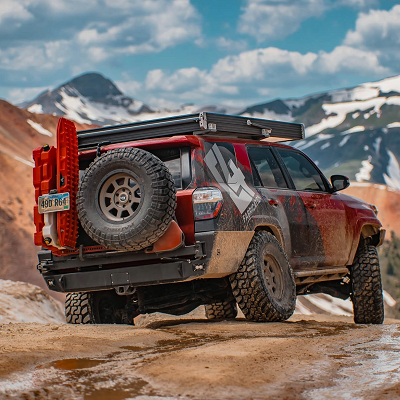
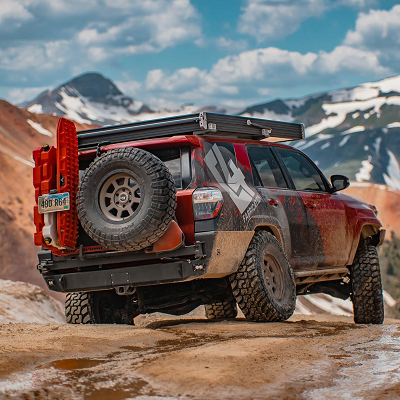




After outfitting a slew of FJ Cruisers, I've learned that choosing the right roof rack makes or breaks your setup. My first build? I went with the cheapest rack available, thinking they were all basically the same. Three desert trips later, I was dealing with stress cracks, wind noise that drove me insane, and weight limits that maxed out before I could load recovery gear.
The FJ cruiser roof rack market is crowded with options from budget platforms to expedition-grade systems. Without understanding what matters for your use case, it's easy to overspend or end up with a rack that limits your adventures.
Without a proper roof rack, your interior fills up with gear, and you're constantly playing Tetris. The FJ Cruiser's interior is roomy, but once you add camping gear, recovery equipment, and adventure essentials, you run out of space fast.
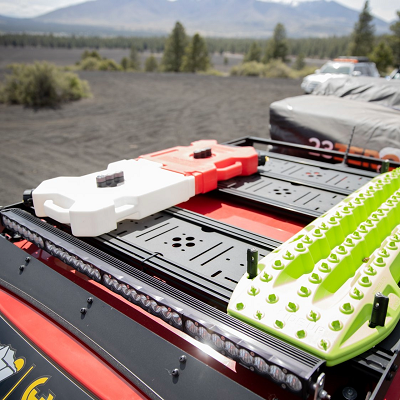
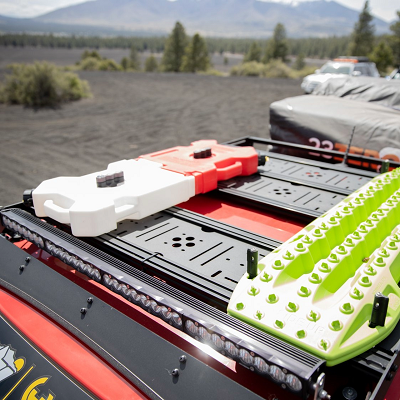
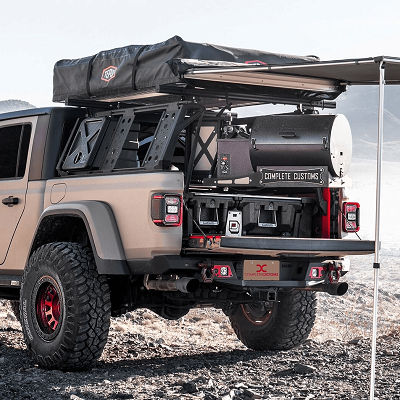
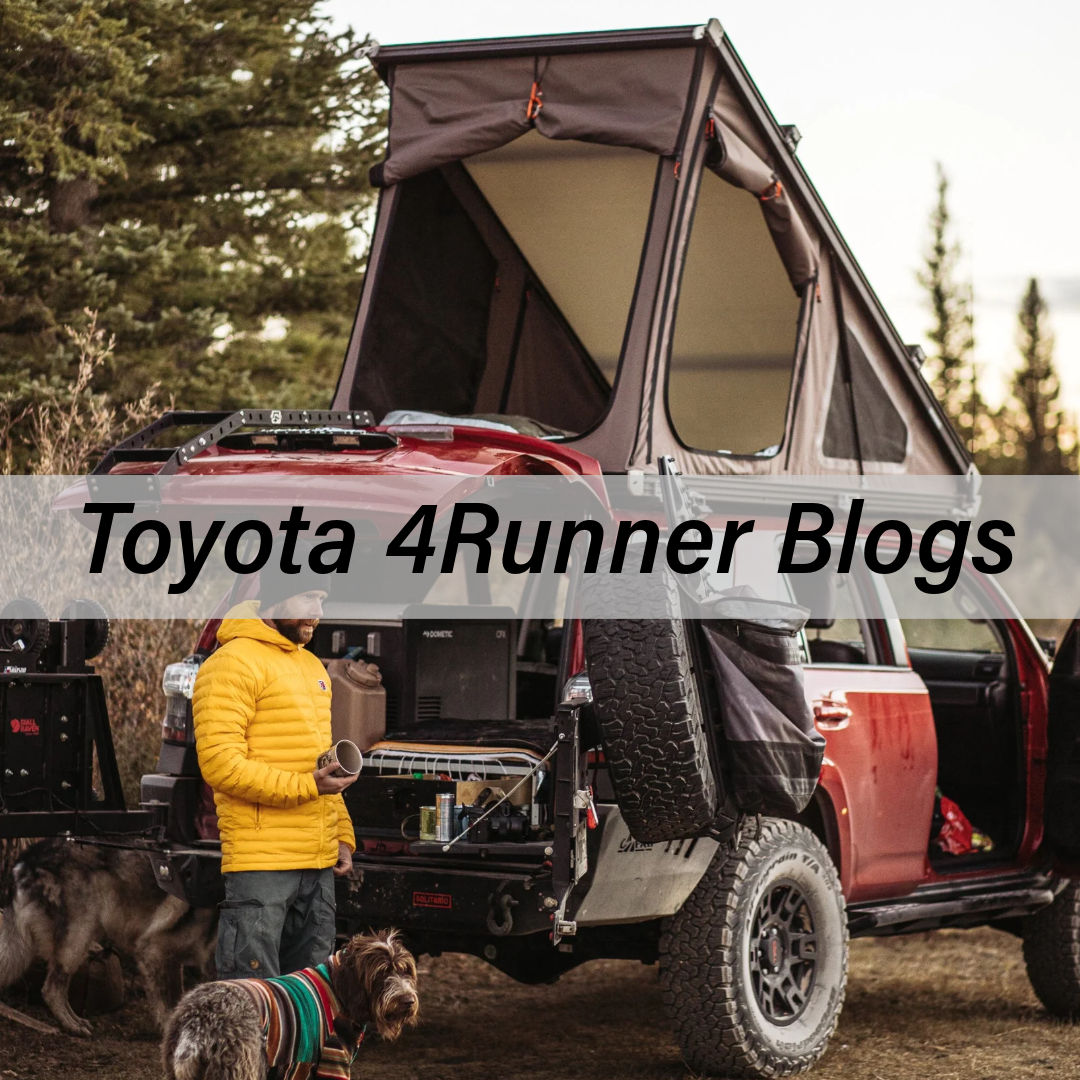
A quality rack transforms your FJ from weekend warrior into expedition vehicle. You gain 20-40 square feet of usable space. That's enough for a rooftop tent, or alternatively, Jerry cans, MaxTrax, a Hi-Lift jack, and room for camp chairs.
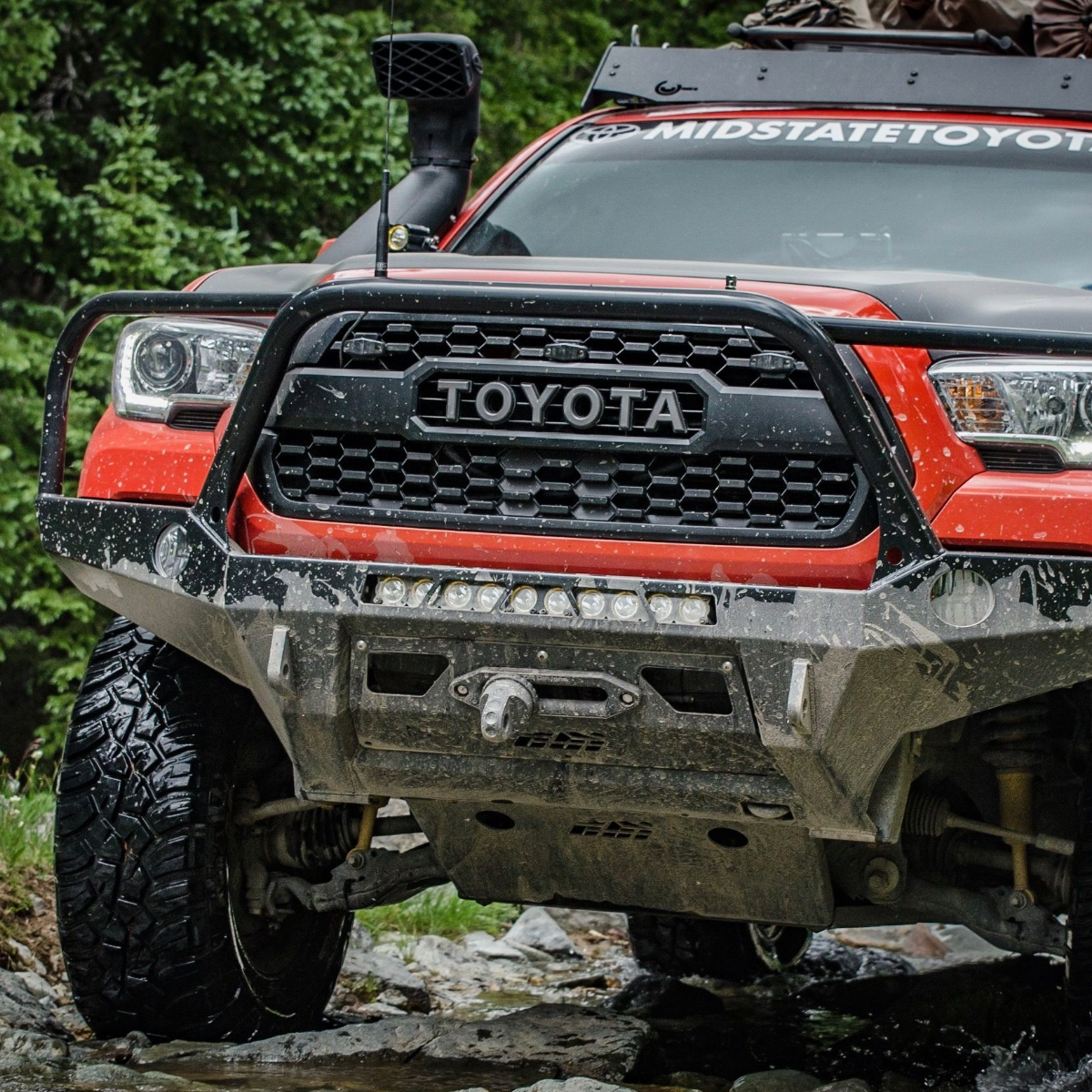
Beyond cargo capacity, a roof rack changes how you accessorize your vehicle. Mounting LED light bars becomes straightforward. You can run awnings for shade at camp. Recovery boards stay accessible instead of being buried in cargo. For overlanders running communication gear, racks provide ideal mounting points for antennas.
Your use case drives every decision. Daily drivers with occasional adventures can get away with lower-profile platforms. If you're parking in a garage regularly or need decent fuel economy, a streamlined rack makes sense.
Weekend overlanders need more versatility. You're looking at racks that handle rooftop tents or substantial gear loads. This is where most FJ owners land, and it's worth investing in quality.
Serious expedition builds require thinking about the rack as critical infrastructure. Multi-week trips in remote areas mean your rack needs to handle gear and redundant systems.
Aluminum racks make sense for most FJ owners because they save weight. A typical aluminum platform weighs 60-90 pounds, compared to 100-150 pounds for a steel platform. That weight savings preserves dynamic load capacity for cargo and keeps your center of gravity lower.
Modern aluminum construction uses extruded aluminum with proper reinforcement at stress points. The Prinsu rack and similar quality brands have perfected aluminum construction, where durability isn't a concern for anything short of serious rock crawling.
Steel racks work when you're genuinely beating on your vehicle where the rack itself might take impacts. Steel also flexes less under heavy loads. But for most Toyota FJ Cruiser builds, aluminum provides better balance. Steel makes sense for specific use cases, but honestly assess whether conditions justify the extra weight.
Rack manufacturers advertise capacities of 600-800 pounds or higher. Those numbers represent what the rack structure can support. The problem is your FJ roof has its own limits. Toyota's dynamic load rating is approximately 150 pounds.
Dynamic load is what you're carrying while moving. Static load is the weight your roof supports when parked. Static load matters for rooftop tents because the tent plus a bunch of people can hit 500-600 pounds total. The roof structure handles this when stationary.
For driving, keep cargo under 150 pounds total. That includes permanent accessories like light bars, rotopax mounts, or MaxTrax holders. Plan your roof load carefully, regardless of which rack you choose.
Full-length platforms extend front to rear and provide maximum cargo space. The tradeoff is wind resistance, which impacts fuel economy, and additional height.
Partial-length platforms cover roughly three-quarters of the roof, leaving the rear open. This maintains good cargo capacity while reducing wind noise and improving economy compared to full-length options.
Profile height matters. Low-profile designs minimize drag and keep vehicle height manageable. Taller platforms with side rails create more space for mounting gear vertically but increase wind resistance and noise.
Platform style versus basket style is another consideration. Flat platforms with mounting channels give you flexibility. Basket-style racks with raised side plates contain cargo better but typically weigh more and create more resistance.
FJ Cruiser rack compatibility is straightforward. The FJ's factory rain gutters provide natural mounting points. This is huge because rain gutter mounts distribute load effectively without drilling into the roof.
Some rack systems require drilling or mounting through the roof's internal structure. While this provides solid attachment, it requires commitment and perfect installation to avoid leaks. Unless you're building a serious expedition rig, stick with systems using factory mounting points.
Plan for accessory compatibility during rack selection. If you're mounting an awning, ensure your rack has appropriate cross-bar spacing. Same for rooftop tents, which have specific load requirements and mounting configurations.
The Sherpa Fuji Roof Rack represents one of the most thoughtfully designed FJ-specific platforms available. Sherpa built its reputation on vehicle-specific solutions rather than adapting universal racks.
The Fuji uses aluminum construction that only weighs no more than 47 pounds while preserving dynamic load capacity. The platform provides full-length coverage with a modular design for configuring accessories based on your needs.
What sets Sherpa apart is integration details. Their mounting system uses the FJ's factory rain gutters with custom mounting brackets that distribute load properly. The platform includes integrated mounting channels for Sherpa's ecosystem, from rotopax holders to MaxTrax mounts to light bar brackets.
For FJ owners wanting a complete platform that grows with their build, Sherpa delivers a cohesive system. The initial cost is higher, but you're getting an engineered solution designed specifically for your vehicle.

Westcott Designs' FJ Cruiser roof rack focuses on simplicity and functionality. Westcott specializes in clean, straightforward designs prioritizing core functionality over extensive integration.
Their FJ rack uses aluminum construction focused on minimal weight while maintaining strength. The platform provides solid mounting options for common overlanding gear without extensive accessory channels.
Westcott's mounting system integrates with factory rain gutters using well-designed brackets for an easy install. The process is straightforward compared to racks requiring extensive adjustment.
The price point falls in a sweet spot between budget options sacrificing quality and top-tier systems with extensive ecosystems. If you want quality without necessarily needing every mounting provision, Westcott provides solid value.

Prinsu has become incredibly popular in the overland community. Prinsu creates bomber aluminum racks handling serious use while maintaining clean aesthetics and reasonable weight.
Prinsu's construction quality is excellent. They use CNC-bent aluminum with proper reinforcement at stress points. The racks are designed for rooftop tents without issues. At around 85 pounds for a full-length rack, they're competitive weight-wise while feeling more robust than cheaper alternatives.
The mounting system uses factory rain gutters with their proprietary bracket design. Once installed properly with the right hardware and bolts torqued to spec, these racks stay put without rattles or noise plaguing cheaper options.
Prinsu's accessory ecosystem is comprehensive. They offer integrated LED light mounts, rotopax holders, MaxTrax brackets, shovel mounts, and basically anything you'd attach to your rack. Everything integrates cleanly with their platform's mounting channels, giving you a secure attachment point for all your gear.

Front Runner brings serious expedition pedigree to the market. They've outfitted vehicles for African overland travel for decades. Their racks use aluminum construction with basket-style design including integrated side rails and a rack floor made of aluminum slats.
This construction provides excellent load containment and makes securing irregular cargo easier than flat platforms. The slat design allows water drainage and reduces wind resistance compared to solid platforms.
For FJ owners planning serious expedition travel, Front Runner's ecosystem approach makes sense. You can build a complete vehicle support system using their integrated components. The tradeoff is increased weight and cost compared to simpler platforms, plus basket sides increase overall vehicle height noticeably.

Gobi Racks specializes in steel construction for customers prioritizing durability over weight savings. Their FJ Cruiser racks use heavy-duty steel tube construction designed to handle serious abuse. Often finished in black powder coat for corrosion resistance, these are durable options for harsh conditions.
The weight penalty is significant at 130-150 pounds for a full-length platform. This only makes sense if you're genuinely exposing your vehicle to conditions justifying the extra durability and cost.
Gobi offers extensive customization options. They can integrate ladder systems, tire carriers, light bars, and various mounting provisions into rack designs. This customization means you get exactly the configuration you need, but lead times can be substantial since Gobi racks are built to order.

BajaRack focuses on modular rack systems, allowing extensive configuration. Their FJ racks use aluminum construction with a design philosophy centered on letting users customize mounting provisions and accessory locations based on specific needs.
The modular design means you can start with a basic platform and add crossbars, extension sections, and mounting provisions as requirements evolve. This flexibility is great for people wanting to build their system gradually or who aren't sure exactly what accessories they'll need long-term.
BajaRack's construction quality is solid, using steel tubing and crossbars that handle real-world use well. The mounting system integrates with factory rain gutters cleanly. Installation complexity depends on how extensive your configuration is, but the basic platform installation is straightforward.

Rhino Rack brings an Australian perspective to roof rack design with products developed for harsh outback conditions. Their FJ Cruiser options include both platform and basket styles using various materials depending on the product line.
Rhino Rack's Pioneer platform system uses aluminum construction with an integrated mounting channel system. The design focuses on versatility through its extensive accessory lineup, including everything from cargo boxes to awning mounts to spare tire carriers.
Installation of Rhino Rack systems on the FJ typically uses their leg system mounting to factory mounting points. The process is well-documented, and Rhino provides vehicle-specific fitting instructions, making installation relatively straightforward with proper hardware and support.
For FJ owners valuing one manufacturer providing integrated solutions across multiple vehicle systems, Rhino Rack's comprehensive product lineup offers appeal. You can source your roof rack, awning, recovery gear mounts, and cargo solutions from one company with confidence that everything integrates properly.

Getting your rack mounted correctly matters as much as choosing the right rack. The FJ Cruiser's rain gutter mounting points provide natural load distribution and they're designed to handle roof cargo forces.
Before starting installation, clean your rain gutters thoroughly. Any dirt trapped between mounting brackets and vehicle can cause paint damage over time, potentially leading to rust. This simple step prevents finish damage.
Torque specifications matter. Under-torquing leaves the rack loose, creating movement and noise. Over-torquing can damage brackets, strip threads, or create holes in mounting points. Use a torque wrench with the specific values provided rather than cranking bolts by feel.
After installation, recheck all hardware after your first 100 miles. Racks settle slightly during initial use, and bolts may need retorquing. This isn't poor installation, it's normal break-in settling.
The rack is just the foundation. Planning accessories before purchase ensures you choose a platform accommodating everything you need.

Rooftop Tents: Most quality tents weigh 120-160 pounds, consuming most of your dynamic load capacity. Many people successfully run a light bar or small accessory mounts with their tent, but hauling additional heavy cargo alongside pushes you over safe weight limits. Verify your tent's mounting hardware matches your rack's crossbars or mounting channels.
Lighting Integration: Mounting LED lights to your rack provides excellent illumination. Key considerations are weight and wiring. A single light bar adds several pounds. Running wiring from battery to roof-mounted lights requires planning cable routing and using weatherproof connections. Many racks include integrated light bar mounts making this easier.
Recovery Board Mounts: These keep MaxTrax or similar traction devices accessible but secure. Roof mounting means boards stay accessible even when tightly parked, and they don't increase rear overhang like bumper mounts.
Rotopax and Fuel Can Mounts: When mounting these, consider weight distribution. Mounting heavy items like full fuel cans as far forward and centered as possible keeps your center of gravity lower and more balanced. Also think about accessing these at camp.
Awning Integration: Awnings mount to the rack side and require specific attachment points and clearance. Some racks include integrated awning mount provisions. Others require adding mounting hardware to crossbars. Beyond attachment points, consider awning clearance with your vehicle's doors.
Cargo Baskets or Bags: These provide weather protection for gear. Soft cargo bags work well for occasional use and compress flat when not needed. Hard cargo boxes provide superior protection but consume roof space permanently. Both need proper attachment to your rack.
Start by honestly assessing your use case. Don't overbuild for hypothetical future needs. Buying capabilities you'll never use wastes money that could go toward suspension or tires that actually improve your experience.
Weight matters more than people realize. Every pound you add raises your center of gravity and impacts handling. Think carefully about what you mount up there.
Plan your accessory ecosystem before buying. If you know you want a rooftop tent, specific lighting, and particular recovery gear mounts, verify your chosen rack accommodates these easily. The best setups look intentional because someone planned the complete system.
Budget for the complete system upfront. A quality rack plus essential accessories costs a specific amount regardless of whether you purchase everything together or spread it over months. Planning the complete budget prevents situations where you buy a rack then realize you can't afford the accessories making it useful.
Check lead times before ordering, especially with custom configurations. Some racks ship immediately while others require 4-8 weeks. If you have a trip or date in mind, factor this into planning.
Choose a rack matching your actual use patterns rather than aspirational ones. If you genuinely use your FJ for serious overlanding, invest in a rack system supporting that lifestyle. If you're primarily a weekend warrior, a mid-tier rack handling your realistic needs serves you better than an overbuilt system you're paying for but not utilizing.
At Truck Brigade, we've outfitted hundreds of FJ Cruisers with various rack systems. We've seen what works, what fails, and what provides genuine value. Our customer service team is here whether you're building a serious expedition rig or adding cargo capability to your daily driver. We ship across California and beyond, and our team provides support whether you need installation tips or help selecting the right kit for your vehicle.
Ready to find the perfect FJ cruiser roof rack for your next adventure? Check out our selection and let our team help you choose the right platform. We're here to help you build your rig properly the first time. If you're wondering which setup is best for your needs, reach out. No trouble at all to answer questions or point you to the key features that matter for your specific build.