Your Cart is Empty


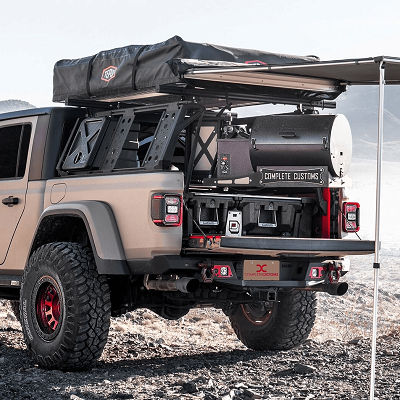
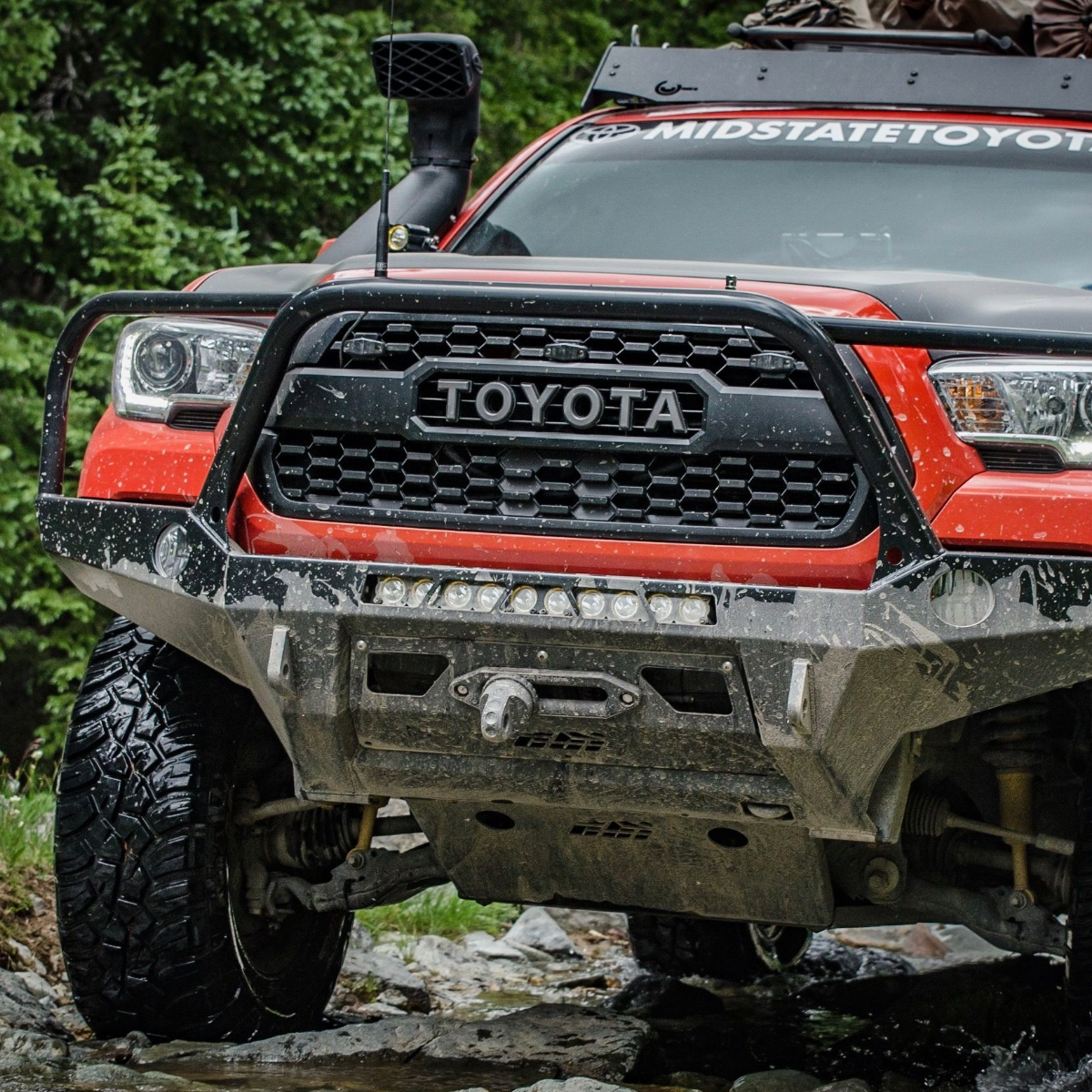
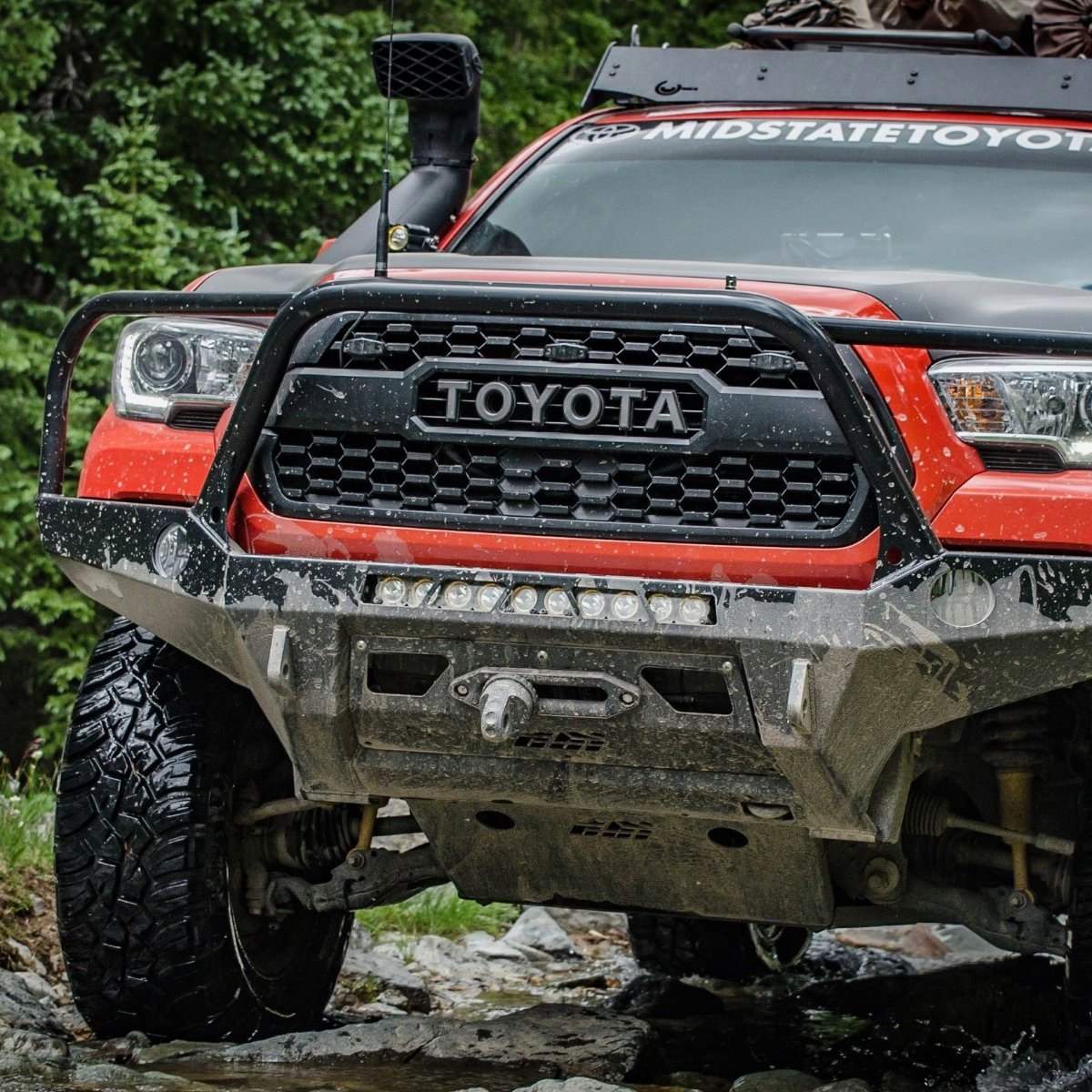




After spending three seasons testing different camping setups on my Toyota FJ Cruiser, I've learned that rooftop tents aren't just about where you sleep - they're about how you adventure. But once I finally committed to mounting a roof top tent, everything changed. It was a complete game changer for my overland adventures.
The question isn't whether your FJ Cruiser roof can handle a rooftop tent (it absolutely can). The question that you should answer is whether a rooftop tent fits your camping style and budget. So in this blog, let's talk about what actually matters when you're getting a roof top tent so you can understand if this upgrade is worth the price.
The Toyota FJ Cruiser is a popular choice for people who want to do some overlanding or camping out in the wilderness due to its off-road capabilities and its perfect platform to support accessories such as a rooftop tent. The factory roof rack handles 150 pounds of dynamic load (while you're moving) and 600-700 pounds when parked - enough for any tent plus two adults.
Rooftop tents for the FJ Cruiser often require additional hardware to attach crossbars to the roof, but the great thing here is the factory mounting points, so no drilling, you also don't need to take your interior headliner off, you just pop off plastic covers on the roof and find the mounting points ready to receive your roof rack and your rooftop tent. That's simply an ease of modification that you don't get from a lot of vehicles.
Imagine this after a long day of driving and exploring: you pull up, unlock 2-4 latches, and you're done. No more finding flat ground or clearing out an area for your tent, no more fumbling around for tent poles, or pounding stakes into the ground.
Some, if not most, rooftop tents actually come with a 2-3 inch high-density foam mattress that is simply way better than sleeping on the ground. Most rooftop tents use memory foam mattresses that conform to your body for superior comfort.
Plus, you're actually not in the cold, damp earth. No roots, rocks, or twigs, and there's less chance of getting visited by bugs and mice while you sleep. Temperature regulation works better too, since cold air sinks, while hot air rises. Being 6 feet up means warmer nights in certain environments.
Your FJ Cruiser rooftop setup gets you to places where rooftop tents actually make sense. Remote desert campsites, forest service roads, beach access points, and other terrain where ground tents struggle. This capability creates real value: you're camping in places that weren't accessible before, and that means exploring places you wouldn't dare before.
Imagine setting up on Moab slickrock, Pacific Northwest logging roads, and desert two-tracks where finding tent space would have been impossible. The rooftop tent means your camping options match your vehicle's capability. You can quickly create your basecamp anywhere your rig can go.
Budget $1,500-5,000 for the tent itself, and while it's obviously more expensive than your normal tent, the cost actually doesn't end there: you'll need a roof rack, most likely an aftermarket one if you don't have one yet ($700-1,200). Add awnings, annexes, or other accessories, and you're looking at another $500-1,500. Let's include labor if you can't or don't want to install it yourself. Watch your total price carefully as features can add up quickly.
Here's a redeeming factor though: quality tents built from high-quality materials last 10+ years versus 2-3 years for ground tents, which changes the math. But that upfront investment still stings. Continue to save up if needed, this purchase is worth doing right the first time.
An oddly shaped tent weighing in at 100-200 pounds on your roof will create wind resistance. Expect 1-3 MPG loss on highways, which adds up to $20-40 monthly if you drive regularly. Hardshells like the CVT La Sal help, but physics is physics, more weight and disrupting aerodynamics simply mean more fuel.
Removing a rooftop tent requires two people, 30-45 minutes, and you will need storage space. Most owners leave tents mounted permanently and accept the fuel penalty even when not camping. If you only camp 2-3 times yearly, that's a lot of reduced MPG for unused capability.
Starting off strong, the ROAM Vagabond is what I would say is in the perfect spot between capability and value. At 150 pounds, it works perfectly with your factory FJ Cruiser roof rack while sleeping 2-3 adults comfortably in a spacious sleeping area.
What sets ROAM apart is its build quality at a mid-range price. The curved 1-inch aluminum frame adds strength, while the plasticized aluminum base resists trail damage. The 280G ripstop polycotton breathes better than pure polyester, meaning less condensation on cold mornings. The 3-inch UltraPlush mattress with a waterproof cover actually makes a difference when it comes to comfort.
Installation and setup are simple - it takes under 5 minutes once you've practiced. The included gear hammocks and boot bags keep your space organized. The curved frame design also cuts through the wind better than squared-off competitors, which matters on exposed campsites.
For FJ owners who camp regularly in varied conditions and want a great option that'll easily last a decade without premium pricing, the Vagabond delivers. This is the tent I'd recommend to most people starting out.

The CVT La Sal solves the aerodynamics problem. At just 8.5 inches thick when closed, this hard shell rooftop tent cuts through wind better than any fold-out option, helping minimize fuel economy loss on the road.
CVT offers two widths (50" and 56") to fit your FJ Cruiser roof top setup. The side-opening design maximizes headroom and creates lots of interior space. The double-channel system stores bedding inside even when closed - a feature many users prefer as it saves vehicle space and eliminates daily packing. The 3-inch jersey cotton mattress and blackout canvas block morning sun.
The T-slot perimeter mounts awnings, recovery gear, or lights directly to the tent without additional hardware. For FJ owners who plan to expand their setup over time, that modularity turns this into a complete platform.
With the gas-strut assist, setup only takes 30 seconds. The aluminum clamshell construction means decades of use with proper maintenance.
I would say if you're planning to use a rooftop tent for the next 10 years and not plan on taking it off on your FJ Cruiser, this tent will be the way to go, it won't drastically affect your fuel mileage and it's way up on the list when it comes to convenience.

The OVS Everest's cantilever design extends out from your FJ Cruiser rather than straight up, creating a surprising amount of room without a massive closed footprint. At 250 pounds for the 2-person model, it's heavier than some competitors but the aircraft-grade aluminum construction justifies it.
The blackout interior coating prevents morning light and interior silhouettes at night. The aluminum honeycomb base keeps structural integrity on rough roads. Here's the killer feature: integrated crossbars on the hard shell carry up to 100 pounds of gear. Kayaks, paddleboards, or storage boxes install directly on top without a separate rack system. This functionality makes it a great choice for adventure-focused FJ owners.
The included cold-weather insulation liner makes this a genuine 4-season tent. OVS designed the XD (Extreme Duty) version for serious expedition use with reinforced connection points and weather sealing. If you're looking to buy a tent that handles extreme conditions, this should be on your list.

Shop OVS Everest Cantilever Tent
At a budget? Or do you just want something light? The Smittybilt Overlander might just be the perfect entry point for you. At 117 pounds, it's one of the lightest options available, leaving plenty of capacity for additional gear on your factory FJ Cruiser roof rack. This is an easy choice for beginners since it's one of the most affordable ones out there.
Smittybilt's 50+ years in the 4x4 game shows in the construction built from quality materials. An aluminum frame with stainless steel hardware and heavy-duty 600D ripstop polyester makes sure this tent can take a fair amount of beating.
Deploying it takes 5-10 minutes with the fold-out design. Not as fast as gas-strut hardshells, but the 661-pound load capacity and roughly half the price of premium brands create big value. This is the smart choice for first-time buyers or occasional campers testing the rooftop tent lifestyle. You can't avoid spending some money, but this helps you save compared to premium options.

The iKamper Skycamp 3.0 is what happens when 12,000+ customers provide feedback and a company actually listens. This is premium tier, both in features and expected price ($4,500-5,500).
The double-layer FRP hard shell creates an air gap for genuine insulation. Noticeably cooler in summer, warmer in winter. The 9-zone mattress is 44% thicker than their previous version with precisely engineered support zones that create exceptional comfort. The 300GSM blackout canvas delivers complete darkness at 8 AM - a feature that will turn your mornings into something special.
Setup takes 60 seconds with gas-strut assistance. The upgraded window system opens canvas and mesh simultaneously for great ventilation. It can fit 2 adults and 2 children or 3 adults comfortably in the spacious sleeping area. If you plan to take your FJ Cruiser on trips with your family or with your partner, this transforms camping from endurance to comfort. Expensive, but the build quality and capacity justifies it for serious overlanders who spent years searching for the right tent.

Since 1997, Alu-Cab has built overland gear for the planet's most demanding environments, and today the Alu-Cab Gen 3-R tent shows the quality that years of development made possible.
The aluminum frame (just 167 pounds) provides a strength that you just know will last the test of time. The deep-stamped one-piece roof increases rigidity while reducing leak points. Dual-layer 400GSM canvas with 1000mm+ hydrostatic rating keeps you dry on the road. Standard integrated heater vent and pre-wired solar input make this winter-capable out of the box.
USB and Type-C power ports, integrated LED lighting with dimmer, and the 70mm mattress deliver serious comfort inside. Three-point access provides great ventilation flexibility. Cargo rails handle 110 pounds of gear on top. Gas-strut setup takes 30 seconds and quickly gets you camping.
At $4,000-5,000, on the expensive side of things as well. But it's engineered for 20 years of expedition use, not five years of weekend camping.

The GFC Platform tent takes a different approach. Instead of traditional construction, GFC designed an ultra-low-profile wedge that's only 6 inches tall when closed. That aerodynamic advantage matters for daily drivers who don't want massive fuel economy penalties on every ride.
At 135-157 pounds, it's light enough for lower-rated vehicles while being overbuilt for the FJ Cruiser roof. The wedge shape provides excellent headroom despite compact exterior. Translucent roof panel provides ambient glow while minimizing heat transfer. The welded canopy eliminates stitched seams that leak.
The real win is minimal impact on daily driving. Park in standard garages. Navigate tight trails without clearance worries. Get reasonable fuel economy. Then quickly deploy full camping setup in under a minute.
Montana-made with precision manufacturing. Every component is rebuildable and serviceable. T-slot extrusions mount awnings and trail tools directly. At $3,500-4,500, it competes with other premium brands while solving the daily driver problem. This is a great product for FJ owners who want maximum versatility.

Awnings: These extend living space and provide shade or weather protection or simply create an awesome hangout spot. The 270-degree awnings from brands like Alu-Cab or Front Runner wrap around multiple sides of your FJ Cruiser roof top tent. Plan on $400-1,000 depending on features.
Annex rooms: These attach to fold-out tents, creating an enclosed space for changing, showering, gear storage, or additional sleeping room. Most brands offer compatible annexes for $300-600.
Diesel heaters: These turn your tent into a true 4-season shelter. Many modern tents include heater ports for easy installation. Budget $300-800 for a complete setup.
Solar panels: These keep batteries charged for multi-day trips. Essential for off-grid overland camping beyond 2-3 days.
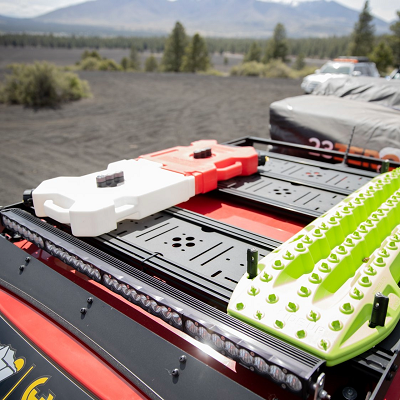
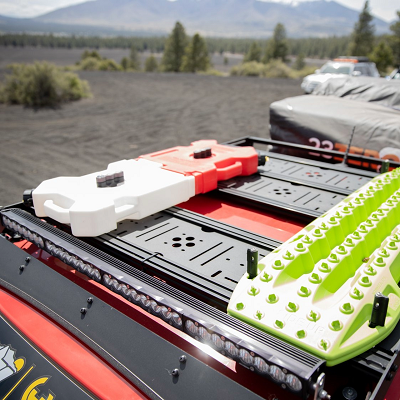
Crossbar accessories: Includes Maxtrax holders, shovel mounts, and jerry can brackets that keep recovery and camping gear accessible without eating into interior cargo space on your vehicle.
After two years with a rooftop tent mounted on my Toyota FJ Cruiser, here's the honest assessment: it's transformative if you camp regularly, frustrating if you don't.
The math works if you camp 10+ nights yearly. Fast setup becomes routine. The comfort difference compounds over dozens of trips. Most importantly, the convenience makes you camp more often because setup stops being a barrier.
The math doesn't work if you camp 2-3 times yearly. You're paying $2,000-5,000 for equipment that sits unused while also costing you 1-3 MPG every day.
Here's the decision framework to help you understand the value: multiply your yearly camping nights by expected tent lifespan (10 years minimum for quality tents built from high-quality materials). A $3,000 tent used 15 nights yearly for 10 years costs $20 per night. It's a simple way to find the right choice for your budget.
Your FJ Cruiser was built for adventure. A rooftop tent makes those adventures more comfortable and accessible. Whether that justifies the investment depends on how often you actually camp.
Questions about fitment or which tent matches your FJ Cruiser and camping style? Reach out to our team at Truck Brigade. We've helped hundreds of FJ Cruiser owners make this exact decision, and we're always happy to help!