Your Cart is Empty


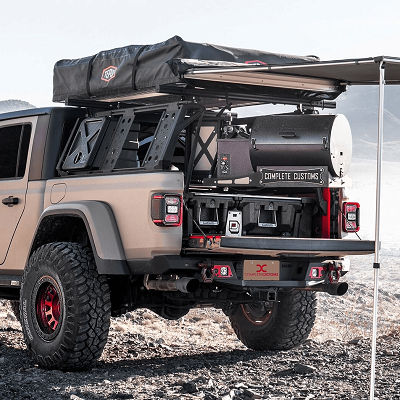
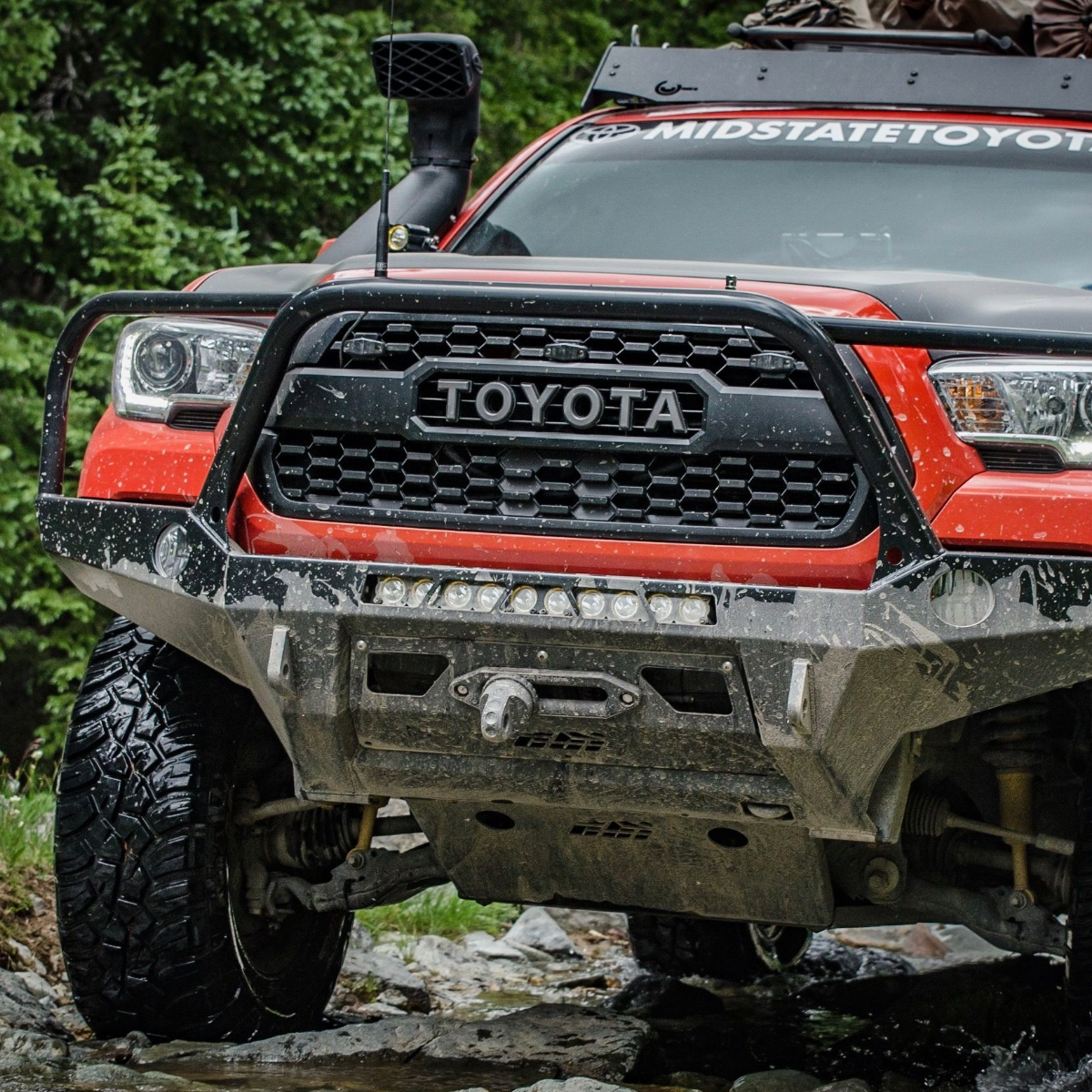
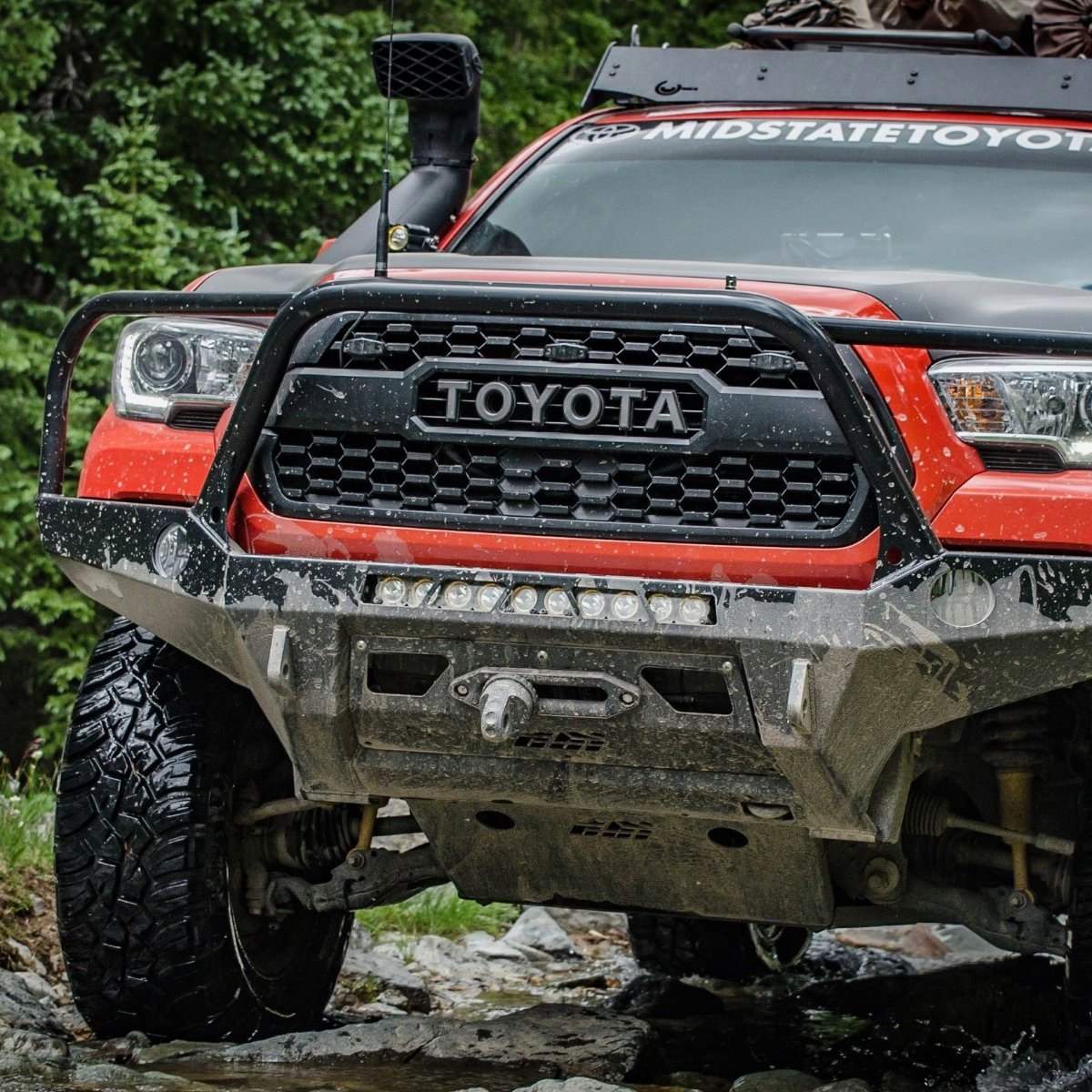
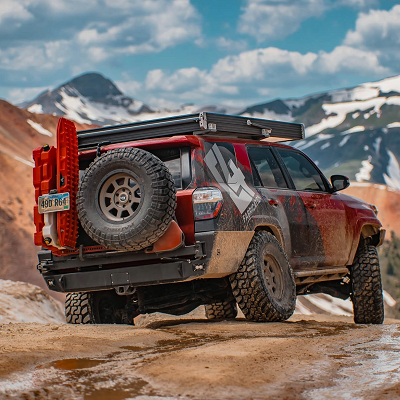
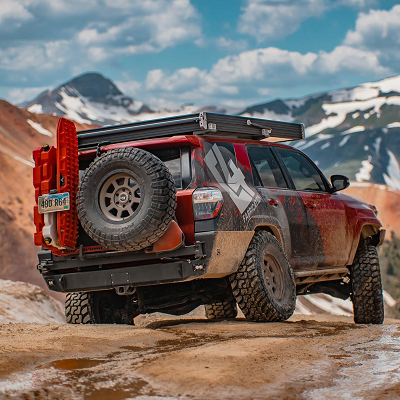
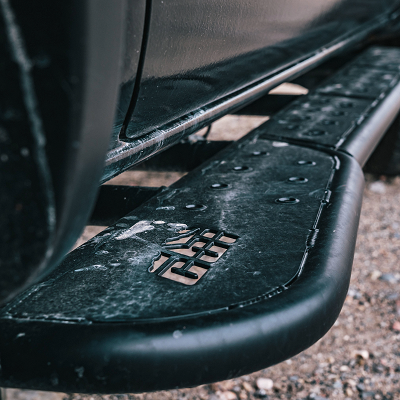
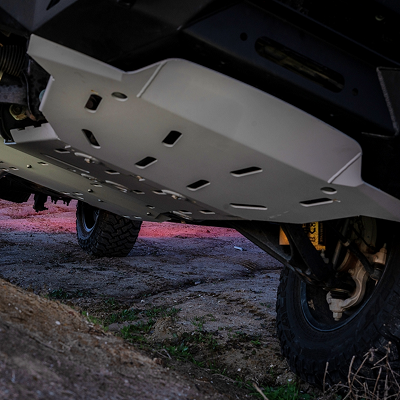




The first time I slid my FJ sideways across a boulder on the Rubicon, I was grateful for every penny I'd spent on quality FJ cruiser rock sliders. That sickening scrape of metal on rocks would have been my rocker panels getting crushed. Instead, my rock sliders took the hit, I kept moving, and my body stayed pristine.
Factory Toyota FJ Cruiser rocker panels are thin sheet metal designed to look good in a parking lot, not deflect 3,000 pounds of vehicle sliding across granite rocks. FJ cruiser rock sliders aren't just protection. They're functional tools that change how you use your truck on technical terrain.
Rock sliders serve three primary functions. First, they protect your rocker panels from impact damage when you contact rocks and obstacles. Without sliders, your factory rocker panels crumple like cans, leading to expensive bodywork.
Second, quality sliders act as skid surfaces that allow your FJ to slide across rocks rather than getting hung up. When traversing sidehills or squeezing between rocks, proper sliders let your vehicle glide over contact points. This function transforms how you navigate technical terrain.
Third, they work as recovery points and step surfaces. Frame-mounted sliders support your vehicle's weight, making them useful as jacking points or step platforms for accessing your roof rack.
The key difference between real rock sliders and step bars is mounting. True rock sliders mount directly to your FJ's frame using robust brackets. Body-mounted step bars attach to sheet metal and will rip off when subjected to real trail forces, which is why you should avoid them for actual protection.
Your typical terrain drives every decision about rock slider selection. Light trail use doesn't require the same protection as technical rock crawling where you're constantly hitting rocks.
For casual weekend wheeling, lighter-duty sliders that prioritize weight savings and step functionality work well. This set of features provides protection without excessive weight.
Serious rock crawling demands the burliest sliders available. You'll drag these across sharp rocks repeatedly. Heavy-duty steel construction becomes necessary. The strength needed for this use is substantial.
Overlanding falls in between. You need legitimate protection for remote areas, but you're probably not dragging across rocks as aggressively. Balanced designs work well for overland builds.
Frame-mounted sliders are the only option worth considering for actual protection. These bolt directly to your FJ's frame using heavy-duty brackets and grade 8 bolts. When you hit an obstacle, force transfers to the frame rather than body panels.
Body-mounted options attach to rocker panel sheet metal. These are step bars pretending to be rock sliders. Skip these entirely unless you never leave pavement.
Quality sliders use substantial brackets with multiple bolt points that distribute forces across the frame. Most quality products come with all hardware provided in the kit.
Steel sliders are the traditional choice for maximum durability and strength. Steel handles repeated impacts without deforming. The downside is weight, typically 100-150 pounds for a complete pair, though some manufacturers offer lite steel options.
Aluminum sliders save significant weight, typically 60-90 pounds for a complete pair. Modern aluminum designs use thick-wall tubing and robust construction that handles trail use well. The weight savings helps maintain better fuel economy. Aluminum is also stronger than many people think when built correctly.
If you're building a dedicated rock crawler with constant rocks and obstacles, steel's strength justifies the weight. For mixed-use builds or overlanding, aluminum provides excellent protection with substantial weight savings.
Tube sliders use round or oval tubing as the primary structure. They're lighter than plate designs and provide good protection for most use cases. The cylindrical shape naturally deflects impacts and allows smooth sliding. The thick-wall tubing used by quality manufacturers ensures the structure can handle serious impacts without deforming.
Plate sliders use flat steel or aluminum plate as the sliding surface with structural tubing underneath. They provide maximum contact surface area when sliding across rocks and offer superior protection against sharp obstacles. Plate sliders are heavier and cost more but excel in technical rock crawling where you're constantly dragging across granite and other hard surfaces.
For most FJ owners, tube sliders provide the right balance of protection, weight, and price. Plate sliders make sense if you're building a serious rock crawler or regularly tackle terrain where complete coverage matters more than weight.
Kick-out sliders extend outward from the rocker panel at an angle. This provides a wider platform for stepping and pushes contact points further from your body panels when you hit rocks. The kick-out also helps prevent rocks from wedging between the slider and body. The step function is more user-friendly with kick-out designs, making them a strong choice for vehicles that see daily use.
Straight sliders sit closer to the rocker panel profile. They maintain narrower overall vehicle width, which matters on tight trails. Straight designs look cleaner but provide less step width. The length of the slider stays the same, but the profile is different between these two options.
The choice is partly functional and partly aesthetic. Kick-out designs are more functional for daily use as steps and provide better protection against rocks wedging underneath. Straight designs maintain narrower trail width and cleaner appearance. Think about which features matter most for how you use your truck.
Powder coating is the most common finish for steel sliders. It provides good corrosion resistance and prevents rust while giving a clean appearance. Black is standard, though many manufacturers offer custom colors. The powdercoated finish can chip on trail impacts, exposing bare metal that will rust if not touched up with paint.
Some wheelers prefer bare metal or raw steel sliders because trail damage is easy to address with spray paint rather than trying to match powder coating. This option requires more maintenance but gives you flexibility in the field.
Aluminum sliders are often left with a natural aluminum finish or clear coated. Aluminum doesn't rust, so corrosion resistance is less critical. Some manufacturers offer powdercoated aluminum for aesthetic reasons, giving you a black finish that matches other armor components.
RCI Offroad rock sliders represent some of the most thoughtfully engineered protection available for the FJ Cruiser. The RCI sliders use thick-wall 1.75-inch DOM steel tubing with a 2-inch square main tube. It weighs in at 65 lbs each. The quality of the welded joints and construction is shown in how they hold up over time. The strength-to-weight ratio is excellent.
What sets RCI apart is its mounting system and features. The brackets are substantial pieces that bolt to multiple frame points and distribute impact forces properly. Installation uses existing frame holes wherever possible, making the process straightforward with basic tools and the hardware provided in the kit. No drilling is required for most installations, which makes things easier.
These sliders can be purchased with or without a top plate for added convenience, and it comes in either bare metal or powder-coated satin black finish, your choice. For FJ owners who want serious protection, RCI delivers exceptional value. These are shown in numerous Toyota build threads as a go-to option for quality and fitment. At checkout, this is often the option many builders choose.

Westcott Designs' rock sliders focus on clean design and straightforward functionality. Their FJ cruiser rock slider set uses round tube construction with a straight profile that sits close to the rocker panel, maintaining narrow overall vehicle width without sacrificing protection.
Westcott's mounting brackets are robust and well-designed, using multiple frame attachment points with grade 5 or 8 bolts and proper hardware. Installation is straightforward with clear instructions, and all hardware is provided in the kit. You won't need to search for additional parts or make modifications to fit these properly. The installation time is reasonable for DIY installers.
The finish is either bare metal or powder-coated black with clean welded joints and attention to detail that shows quality craftsmanship. For FJ owners who want quality sliders that protect well and install cleanly without excessive complexity or high price point, Westcott provides solid value. These are a popular option for mixed-use builds and moderate to heavy trail use. This product delivers what most people need without unnecessary features that drive up cost.

Metal Tech 4x4 builds bombproof steel construction designed for serious off-road use. Their FJ cruiser rock sliders use heavy-wall DOM tubing welded to substantial mounting brackets. These are built in American facilities to handle extreme abuse and provide maximum protection when you need it most. This is a strong product for serious builds.
The thick steel construction and quality welded joints mean these can take repeated hard impacts from rocks without deforming. The powdercoated finish is durable and resistant to chips. For FJ owners building serious rock crawlers or rigs that see extreme use, Metal Tech provides the durability and strength that justifies the weight and price point. These are overkill for casual trail use but perfect for hardcore applications where protection matters more than weight savings. This set is built stronger than most alternatives on the market.

Hefty Fabworks lives up to their name with sliders built like tanks. They offer FJ cruiser rock slider options in various configurations from basic tube designs to full plate sliders with integrated steps and tie-in options for front and rear bumpers. The built quality is exceptional.
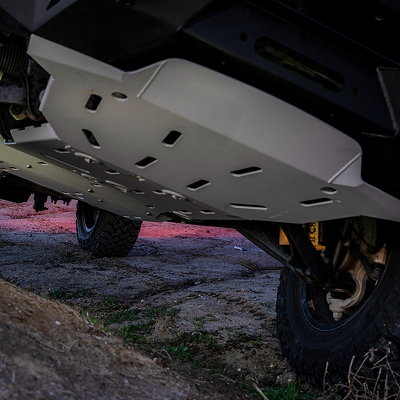
Hefty's construction uses thick steel plate and tubing with meticulous welding. Their designs often incorporate features like integrated hi-lift jack points and recovery points. For FJ owners who want sliders that integrate with a complete armor package, Hefty delivers custom-quality products. The strength and function of these sliders make them a top choice for serious builds.

BudBuilt is a name synonymous with heavy-duty steel armor, and their reputation is built on robust, over-engineered products. Far from lightweight, their FJ Cruiser rock sliders are designed for serious protection and durability, using .120-wall steel tubing (either DOM or HREW) for their construction.
What truly sets BudBuilt apart is their legendary mounting system. They bolt directly to the factory holes in the frame using 3/8-inch thick steel plates. This substantial mounting hardware, which includes Grade 10.9 bolts, is designed to prevent the frame itself from bowing or cupping under extreme impacts, ensuring the sliders take the full force of a hit.
At approximately 100 pounds for the pair, more if you opt in for fill plates, these sliders are built to be used. They are strong enough to support the entire weight of the vehicle for a Hi-Lift jack and are braced on three of their four legs for maximum support.
BudBuilt offers them in multiple configurations, including with or without a "kicker" at the rear and with various fill plate options (like diamond plate or dimple die) that also function as a sturdy step. For FJ owners who prioritize strength and frame integrity above all else, BudBuilt is a top-tier, heavy-duty choice.

Installing FJ Cruiser rock sliders requires basic mechanical skills and tools but isn't particularly complex. Most quality sliders use existing frame holes or require minimal drilling for mounting brackets. You'll need a floor jack, jack stands, basic hand tools, and a torque wrench. The process typically takes 3-4 hours if you're doing it yourself the first time. Take your time to do things right.
Critical installation points include using proper torque on all bolts, checking for clearance with body panels and doors, and verifying sliders sit at correct height and angle. Some sliders require slight adjustment during the installation process to achieve perfect fit on your specific vehicle. Take your time with the install to ensure everything bolts up correctly. Read through all instructions before starting.
Maintenance is minimal with rock sliders. Periodically check mounting bolt torque, especially after the first few trail runs. Inspect for cracks or damage after particularly hard trail days where you've been hitting rocks repeatedly. Touch up any powdercoated chips on steel sliders to prevent rust from forming. Aluminum sliders require essentially no maintenance beyond occasional cleaning, which is one reason many builders choose aluminum for their builds. Taking time for basic maintenance ensures your sliders continue to function properly and protect your vehicle.
The biggest mistake is buying body-mounted step bars thinking they're rock sliders. If it doesn't bolt to the frame, it's not a rock slider and won't protect your rocker panels on the trail. Always verify frame mounting before you purchase or add anything to your cart.
Choosing sliders based solely on price without considering construction quality leads to disappointing performance. Cheap sliders use thin-wall tubing and minimal mounting brackets that will fail when you actually need them. The details matter when it comes to quality construction and welded joints.
Ignoring weight implications for your build type is another common error. Steel sliders make sense for hardcore rock crawling but are overkill for casual trail use where aluminum would serve better. Think about how you actually use your vehicle before you decide on material.
Skipping professional installation at a shop if you're not confident in your abilities can lead to improper mounting that compromises protection. Sliders only work correctly if installed properly with correct torque and positioning. Don't risk an improper install just to save a few dollars.
Daily driver with weekend trail adventures: Aluminum sliders from RCI or Westcott provide excellent protection without excessive weight. The lighter construction maintains better daily driving characteristics while still handling moderate trail use. Kick-out designs work well here for easy vehicle access. This is the most common build type we see, and aluminum is usually the best option for the price and weight savings.
Dedicated rock crawler: Heavy-duty steel sliders from Metal Tech or Hefty Fabworks are the right choice. You're subjecting these to extreme abuse and need the durability that only thick steel provides. Plate designs or heavy tube construction will survive the punishment you're dishing out on technical trails. Weight doesn't matter as much when protection is the priority.
Overland expedition build: Aluminum sliders offer the best balance for long-distance travel. The weight savings matters when you're already carrying significant gear for overland protection. Quality aluminum construction from RCI or BudBuilt handles trail obstacles you'll encounter while keeping your overall vehicle weight reasonable. Many overlanders also appreciate that aluminum doesn't rust in wet climates or coastal areas.
Budget-conscious builder: Westcott Designs provides solid protection at a reasonable price without sacrificing quality. You're getting proper frame-mounted protection that'll last, just without some of the premium features or materials of more expensive options. Search for deals and you can often find these at competitive prices that fit tight budgets.
Show truck that sees occasional trails: Kick-out sliders with clean powdercoated finish from any quality manufacturer. Prioritize aesthetics alongside protection since the vehicle won't see extreme abuse. Aluminum keeps weight down and looks clean with black finishes that match other armor components like bumpers and skid plates.
Choosing the right FJ cruiser rock sliders for your build comes down to honestly assessing how you use your vehicle. Frame-mounted construction is non-negotiable for actual protection.
For most Toyota FJ Cruiser owners, quality aluminum rock sliders from RCI Offroad or Westcott Designs provide the best value. They protect your rocker panels from rocks, work as a step, and handle moderate to aggressive trail use without the weight penalty of steel. The price point is reasonable for the quality you're getting.
Hardcore rock crawlers need steel construction from Metal Tech or Hefty Fabworks. The weight penalty is worth it when you're subjecting your sliders to extreme forces where rock armor is essential. The strength of steel makes it the right choice for this use.
Don't cheap out on rock sliders thinking you'll upgrade later. Quality sliders last the lifetime of your vehicle and protect against body damage that costs more to repair than the sliders cost initially.
At Truck Brigade, we've helped hundreds of FJ owners choose the right rock sliders. We understand the differences between options and can guide you toward sliders that match your use case and budget. Our company ships fast across the continental USA, and we can provide details on compatible options that work with your existing armor. Don't wait until after that first expensive body damage to install quality FJ cruiser rock sliders. Protect your FJ now and wheel with confidence.