Your Cart is Empty


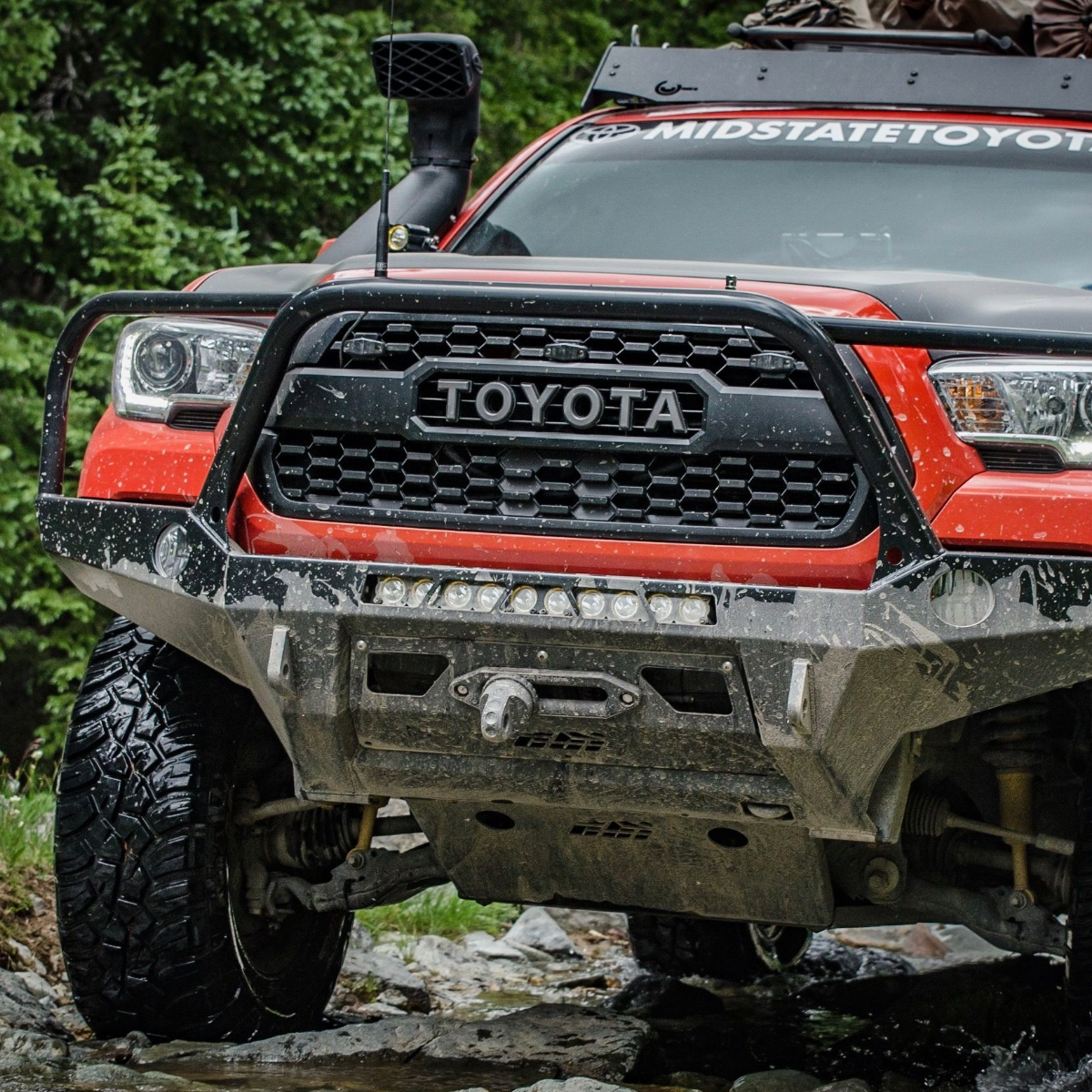
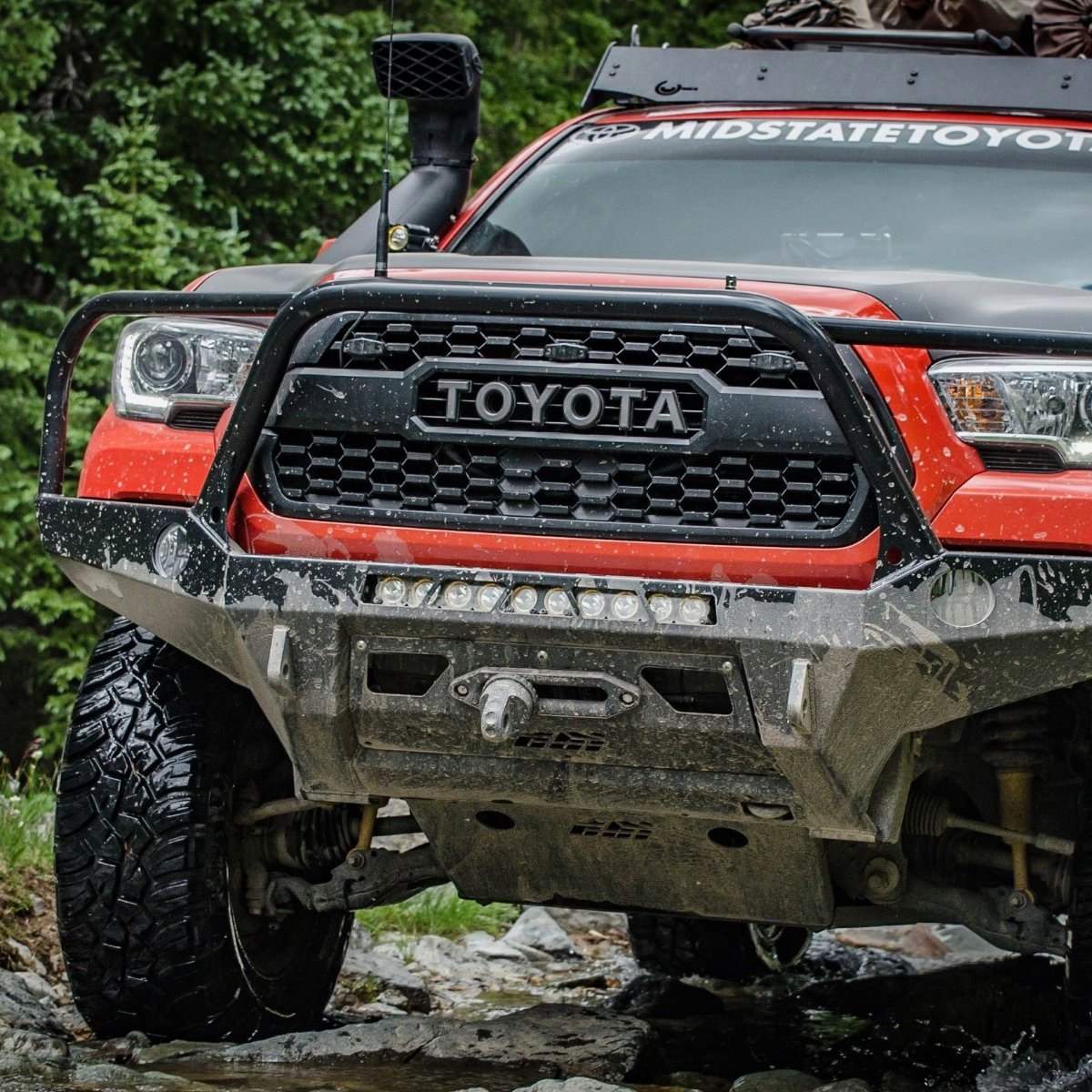
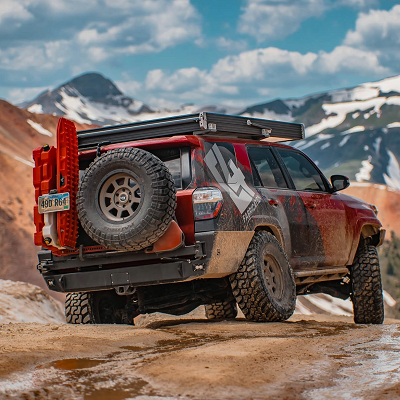
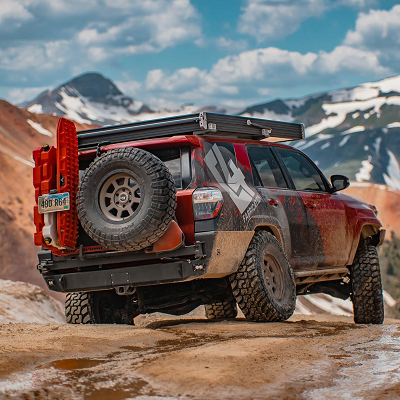




I'll never forget the sickening crunch from under my FJ on a trail outside Moab in 2016. I'd convinced myself the factory skid plate was enough protection. That sound? My transfer case taking a direct hit. The damage cost me $1,200 in repairs and two weeks without my rig.
Here's the thing about FJ cruiser skid plates: factory protection gets you started, but it's not designed for the abuse most FJ owners put their rigs through. The question isn't whether skid plates matter. It's whether aftermarket skid plates are worth the investment over what Toyota already installed.
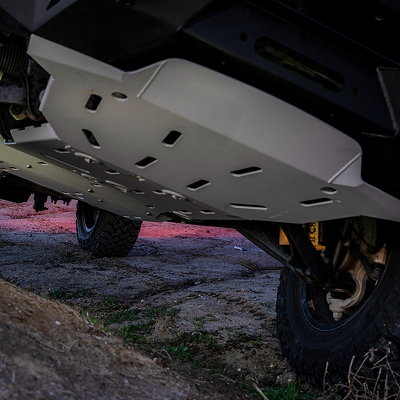
Skid plates are protective barriers mounted to your FJ's undercarriage that shield critical components from rocks, logs, and obstacles. Think of them as rock armor for vulnerable drivetrain parts that hang lowest beneath the vehicle.
Your FJ cruiser has several critical areas needing protection. The front differential sits low and takes hits frequently. The engine oil pan is typically the lowest point and can crack or puncture on impact. The transmission and transfer case handle putting power to your wheels. Damage any of these on the trail and you're calling a tow truck.
Factory skid plates cover some areas with thin stamped steel that'll deflect small rocks but isn't built to slide over obstacles or handle repeated impacts from serious off-roading.
Aftermarket skids use thicker materials, typically 3/16-inch aluminum or 1/4-inch steel, with designs allowing your FJ to slide over obstacles. Coverage is more comprehensive, protecting major components and spaces between them where rocks can wedge.
Toyota equipped the FJ cruiser with skid plates from the factory, which sounds great until you look at what you're getting. The stock protection uses thin stamped steel adequate for light trail use. For fire roads and graded forest service roads, they work fine.
Once you start tackling actual trails with rocks and technical obstacles, the factory skids show their limitations fast. The stamped steel is thin enough that it dents and deforms on impact rather than deflecting obstacles. After a few good hits, you end up with a skid bent upward that actually sits closer to the component it's supposed to protect.
Coverage gaps are another issue. Toyota focused on major components but left spaces between plates where rocks can wedge or impact vulnerable areas like brake lines and wiring. The mounting system also uses fewer mounting points than aftermarket options, which means more flex under impact.
Weight savings is the one area where factory skids have an advantage. They're lighter because of thinner material. For anyone actually using their FJ off-road, the weight penalty of proper protection is a non-issue.
Quality aftermarket skid plates use 3/16-inch aluminum or 1/4-inch steel depending on manufacturer and preference. This thick construction provides real protection against impacts that would damage or destroy factory skids. When you hit a rock, a proper skid takes the impact and distributes force across its surface rather than transferring it directly to the component underneath.
Coverage with aftermarket options is more comprehensive. Instead of just protecting the oil pan or differential, you get continuous coverage across the entire front undercarriage. This eliminates gaps where rocks can wedge. Some systems extend protection back to include transmission, transfer case, and fuel tank with integrated designs that create complete overland protection underneath your FJ.
Aftermarket skids are built to last the lifetime of your vehicle and handle serious abuse without replacement. Thicker materials resist deformation, so even after multiple hard impacts, your skid plates maintain their shape.
Construction quality matters. Quality manufacturers use laser-cut materials with precision bends. The weld quality is clean and reinforced at stress points. Mounting hardware uses grade 8 bolts that stay tight even with constant vibration.
Aluminum skid plates are naturally corrosion-resistant. Steel skids typically come powdercoated or use protective finishes that resist rust with proper maintenance. Some manufacturers offer bare metal options if you want to add your own finish.
Aftermarket skid plates are designed specifically for the Toyota FJ cruiser. This means they integrate with your vehicle's mounting points properly and don't interfere with maintenance.
The modular approach lets you start with basic protection and add coverage as needs evolve. You might begin with just a front differential skid and later add transmission protection. Components are designed to work together with overlapping edges.
This modularity makes maintenance easier. Need oil changes? Quality skids include access panels or strategic mounting that lets you drop them quickly for routine service. Some designs allow you to service your differential without removing the skid entirely.
If you're hitting maintained forest service roads and occasional easy trails a few times a month, factory protection handles this kind of use reasonably well, and the risk of significant undercarriage damage is relatively low.
That said, even weekend warriors eventually push their limits. Aftermarket skids provide insurance against the occasional mistake or unexpected obstacle.
For weekend use, starting with a front differential skid and oil pan protection makes sense. These are the most vulnerable points and most likely to take hits even on moderate trails.
Overlanding puts you in remote areas where a breakdown can be dangerous. You're often far from help, dealing with terrain that varies from easy dirt roads to challenging rocky sections.
For overlanding, aftermarket skids are absolutely worth the investment. You need comprehensive protection because you can't predict what terrain you'll encounter. Remote recovery is expensive and difficult, so preventing damage is critical.
Overlanders should invest in complete skid plate sets covering front differential, oil pan, transmission, transfer case, and fuel tank. The protection matters because you're in situations where help isn't readily available.
If you're regularly tackling technical trails with rocks and ledges, aftermarket skids aren't optional. They're essential equipment.
Rock crawling subjects your undercarriage to constant impacts and dragging across obstacles. Factory skids will be destroyed quickly. Quality aftermarket protection is the difference between driving home and calling a tow truck.
For technical trail use, invest in the thickest, most comprehensive protection available. Consider steel skids over aluminum if you're genuinely pushing your vehicle hard. Some manufacturers offer lite steel options that balance weight and protection.
Factory FJ cruiser skid plates come installed, so there's no additional cost unless you need to replace one due to damage. Replacement factory skids run $100-300 depending on which component.
Aftermarket skid plates vary in price depending on material, coverage, and manufacturer. A basic front differential skid runs $200-400. Oil pan protection adds $150-300. Transmission and transfer case skids run $250-450 each. A complete system can cost $800-1,200 or more, though some sites offer better prices depending on deals and shipping.
Material choice impacts cost. Aluminum skids typically cost less than steel for equivalent coverage because aluminum is easier to cut and weld and lighter to ship. Steel options cost more but provide maximum durability.
Installation costs vary if you're not doing the work yourself. A shop might charge $200-400 to install a complete system. Most skids are DIY-friendly if you have basic tools and a way to lift your FJ safely.
The real cost comparison comes when you factor in potential damage. An oil pan replacement runs $300-600. Transfer case damage can easily hit $1,500-2,500. Front differential repair starts around $800. One major undercarriage repair costs more than a complete aftermarket skid plate system.
RCI Offroad FJ Cruiser skid plates represent some of the most comprehensive protection available for the FJ cruiser. RCI specializes in aluminum skids designed specifically for Toyota platforms.
RCI uses 3/16-inch steel or 1/4-inch 5052 aluminum alloy, your choice of weight, but since their aluminum option is actually thicker, you can expect roughly the same protection. Construction quality is outstanding with precision laser-cut components and clean welds. Lastly, if you want to do your own finish, the aluminum option can ship in bare metal.
What sets RCI apart is its modular system approach. You can start with basic front protection and add components to create complete undercarriage armor. Each piece is designed to work with the others, with overlapping edges that eliminate gaps. The mounting system uses existing factory locations wherever possible.
RCI skids include strategic drain holes for water and debris. The designs also incorporate service access, so you can perform routine maintenance without removing skids entirely. This attention to real-world use details makes RCI a favorite among serious FJ owners.
The price point on RCI reflects its quality. You're looking at a more premium pricing, but you're getting protection that'll last the life of your vehicle. For FJ owners building serious off-road rigs, RCI provides the comprehensive coverage and durability that justify the investment.

If you want something with an awesome value, the Talons Garage Transmission/Catalytic FJ Cruiser Skid Plate, yes, this skid protects both your transmission and catalytic converter. What makes that a big value proposition? Well, most skid plates, including the RCI skid plates, are sold individually, or sold for more money if sold as a set.
Talons Garage uses 1/40-inch aluminum construction as well, with a design focused on maximum protection while maintaining service access. The skid mounts use a combination of factory and reinforced mounting points that distribute impact loads properly. Installation is straightforward with clear instructions and all necessary hardware included, making it an easy option to add to your build.
Owners love to protect their engine, but forget the transmission and catalytic converter. Let me just tell you this: your transmission sits relatively low and is exposed to damage from rocks. A damaged transmission case or cooler lines can leave you stranded.
Trucks, especially lifted ones, are also the most vulnerable to getting a free straight pipe mod via catalytic converter theft, which is why this skid plate is smart at covering two birds with one stone.
For FJ owners who already have front differential protection or are building their armor system piece by piece, the Talons Garage transmission/cat skid fills a critical gap. The price is reasonable for the protection level, and the quality matches or exceeds more expensive options. You can select this as a standalone option or choose to add it to a complete skid plate set for comprehensive coverage.

So are aftermarket FJ cruiser skid plates worth the investment? For anyone who actually uses their FJ off-road beyond graded dirt roads, yes, absolutely.
The math is straightforward. A quality aftermarket skid system costs $500-1,200 depending on coverage. One major undercarriage or engine/transmission repair costs the same or more and leaves you without your vehicle while it's being fixed.
Beyond the financial calculation, there's the reality that some damage can't be easily repaired on the trail. A cracked oil pan or damaged transfer case ends your trip immediately. Skid plates keep you moving and let you finish your adventure.
The investment makes less sense if you genuinely never leave pavement or only drive maintained gravel roads occasionally. In those cases, factory protection is probably adequate.
For everyone else, start with front differential and oil pan protection at a minimum. These areas are most vulnerable and most expensive to repair if damaged. If you tackle more challenging trails, add transmission and transfer case protection. Serious rock crawlers and overlanders should invest in comprehensive coverage from the start.
Choose aluminum for most use cases. It provides excellent protection at a reasonable weight. Steel makes sense if you're building a dedicated rock crawler or genuinely pushing your FJ to its limits. For 90% of FJ owners, aluminum delivers better overall value, though you can search for steel options if that fits your build better.
Install quality products from reputable manufacturers like RCI Offroad or Talons Garage. Cheap skids that bend or fail aren't worth the cost savings when they won't actually protect your vehicle. Don't just look at prices and decide based on cost alone. Consider the complete process of selecting the right protection, including how well it will fit your specific vehicle and use case.
At Truck Brigade, we've helped countless FJ owners choose the right skid protection for their builds. We've also seen the damage that happens when people skip this critical armor. Whether you're building a serious expedition rig or just want peace of mind on weekend trail runs, we're here to help you choose protection that matches your needs and budget. Our company ships fast, and our team can provide details on compatibility with other modifications like bumpers or frame reinforcements. Don't wait until after that first expensive repair to invest in proper FJ cruiser skid plates. Protect your FJ now and wheel with confidence knowing your undercarriage is properly armored.