Your Cart is Empty







I’ll never forget bottoming out my factory rear bumper on a ledge in Moab back in 2018. The plastic cover cracked, the factory hitch twisted, and I learned an expensive lesson about stock bumper limitations. That damage cost me $800 and two weeks of downtime, a scenario all too common for Toyota FJ owners who push their vehicles.
The factory Toyota FJ Cruiser rear bumper is designed primarily for highways and possibly a smooth, unpaved road, not rigorous trail use. It hangs low, offers minimal ground clearance, and provides zero functional recovery points or substantial tire carrying capability. The minute you start running larger tires or tackling serious terrain, that factory setup becomes a liability for your vehicle.
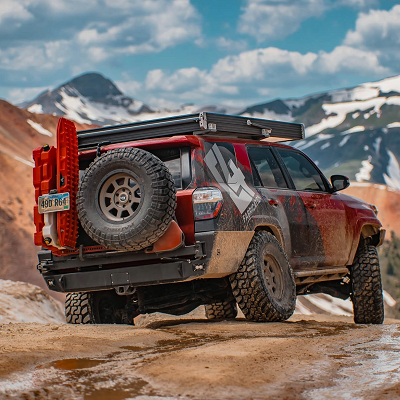
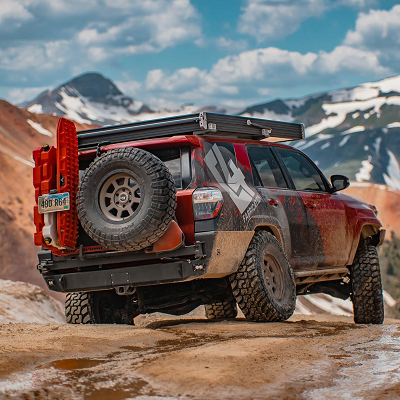
Upgrading your Toyota FJ Cruiser rear bumper transforms your rig’s capability. You gain improved clearance, integrated shackles for recovery, heavy-duty spare tire mounting, and accessory storage. But with rear bumper options ranging from basic replacement bumper units to full swing-out systems, choosing the right setup requires understanding what matters for your Toyota FJ Cruiser.
The factory Toyota FJ Cruiser rear bumper is essentially plastic cladding over basic steel that hangs low and extends rearward. It looks tough aesthetically, but offers minimal protection or functionality for actual off-road use. The bumper cover cracks easily, and the underlying structure isn't designed for heavy-duty extraction operations.
Departure angle improvement is one of the biggest benefits of a new bumper. The factory setup limits how steep an obstacle you can descend without catching your rear bumper. Quality aftermarket bumpers pull up and tuck tighter to the body of the Toyota FJ, typically improving the angle by 5–10 degrees. While specific departure angles vary by lift height, the geometric advantage of a high-clearance bumper is undeniable.
Reliable recovery points become essential for serious wheeling. The factory Toyota FJ Cruiser has a hitch receiver that can handle some loads, but it is not ideal for heavy pulling or snatch recoveries. Aftermarket bumpers integrate proper recovery shackles or d rings mounts rated for maximum strength. These are typically welded directly to the frame mounting plates, ensuring that when you need a tug, you are pulling on the chassis, not the bumper shell.
Spare tire mounting is critical if you are running larger than stock tires. The factory rear door and spare location won't accommodate 33-inch or larger rubber without stress. Over time, the weight of an oversized tire can damage the rear door hinges of your Toyota FJ. Aftermarket bumpers with an integrated tire carrier let you mount your full-size spare externally on a spindle, taking the weight off the door entirely.
When shopping for a Toyota FJ Cruiser bumper, you will generally face a choice between steel and aluminum. Understanding the metallurgy helps you decide what is right for your build.
Most heavy-duty bumpers are constructed from steel. You will often see terms like cold rolled steel and hot rolled steel in product descriptions. Cold rolled steel is processed at lower temperatures, resulting in a smoother finish and tighter tolerances, making it ideal for the exterior shell of the bumper. Hot rolled steel is often used for internal substructures where surface finish matters less than structural rigidity.
For those concerned about weight, aluminum is the premium choice. An aluminum rear bumper can weigh 50% less than a steel bumper, saving you precious payload capacity. This reduces the strain on your suspension and helps maintain the handling characteristics of your Toyota FJ Cruiser.
Your typical terrain drives your rear bumper selection. Think about the obstacles you encounter and whether clearance, carrying capacity, or accessory mounting matters most for your Toyota FJ Cruiser.
Tire size compatibility is critical if you are planning a swing-out carrier. Most carriers accommodate rubber up to 35–37 inches depending on wheel offset. Verify your specific wheel combo fits before ordering. If you stick with the stock bumper or a non-carrier replacement bumper, you are strictly limited by the rear door clearance.
Weight considerations become serious with rear armor. Basic bumpers add 95–125 pounds. Full swing-out systems can add 200+ pounds to your rear end before you even mount the spare. This weight causes rear sag. Almost every Toyota FJ Cruiser owner will need to install stiffer rear springs or a complete suspension kit to handle the extra load of a steel rear bumper and tire carrier.
Hitch integration matters if you tow. Most quality bumpers integrate with your factory hitch receiver location or include a built-in high-clearance receiver. Always verify hitch ratings if you plan to tow a trailer with your Toyota FJ.
Full-width rear bumpers extend across the entire width of your Toyota FJ Cruiser rear end, providing maximum protection. These include recovery points integrated into each end plus provisions for backup sensors and lighting. The protection level is comprehensive. When backing up tight trails, the bumper protects your rear quarters (the "wings") from impact. Weight runs 95–125 pounds for basic full-width bumpers without carriers.

High-clearance designs prioritize vertical clearance over maximum protection. These bumpers pull up aggressively and tuck tight to the body, minimizing the lowest rear point. The gain in clearance can be substantial. You get the ability to descend steeper obstacles without dragging. Rock crawlers particularly benefit from these optimized departure angles. However, this often involves cutting the rear crossmember or removing bulky factory resonators.

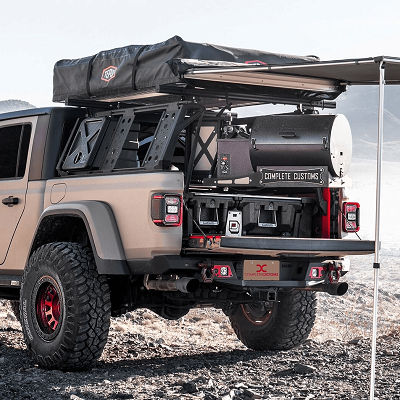
Swing-out bumpers incorporate a tire carrier that pivots away from the rear door, allowing cargo access while providing external mounting for your spare. These represent the most functional but also heaviest option for the Toyota FJ Cruiser. A single swing-out system mounts the carrier to one side. The arm swings open, sometimes linked to the rear door, keeping the cargo area accessible. These typically accommodate tires up to 37 inches. The mechanism usually employs tapered bearings and urethane bushings for rattle-free operation. The swing arm moves smoothly, often using factory mounting locations without extensive drilling.

Expedition One's Trail Series rear bumpers have become incredibly popular in the FJ community, and after seeing dozens of these installed, I understand why. Built in Utah using precision-cut 3/16-inch steel, these are designed to take serious abuse while maintaining clean lines.
The basic rear bumper weighs about 95 pounds and uses 3/16-inch steel inner structure with 1/8-inch outer skin. What really stands out is how they've integrated the recovery points - 1-inch-thick shackle mounts built directly into the bumper structure, not just bolted on. These work with your factory receiver hitch and backup sensors.
The real star is Expedition One's Smooth Motion STC system. I've watched people open and close these tire carriers hundreds of times, and they genuinely swing smoothly without the annoying rattle you get from cheaper designs. They use urethane bushings that isolate vibration, and the whole thing operates on tapered bearings that feel solid even after years of use.
The tire carrier handles up to 36-inch tires. The complete bumper with a single swing-out weighs around 125 pounds before you add your spare. That's where suspension upgrades become non-negotiable - throw a 70-pound spare and fuel cans on there, and you'll need at least heavier springs and beefier shocks.
For maximum carrying capacity, Expedition One offers a dual swing-out system that weighs about 200 pounds. One side carries your spare while the other handles fuel, water, or gear. It's overkill for weekend warriors, but it makes sense for serious overlanders who hit trails and camp out in the wilderness for days or even weeks at a time.
While these work with factory backup sensors, some model years might need minor tweaking. Expedition One makes a camera relocation bracket that solves positioning issues cleanly.
You can get these in bare steel or textured black powder coat. Lead times run 8-14 weeks, so don't order this the week before a big trip. Pricing starts around $1,500 for basic bumpers and can hit $3,000+ for dual swing-out systems.

Demello Offroad takes a different approach by offering both steel and aluminum options. They're not just adding weight for the sake of looking beefy - every bit of material serves a purpose.
Their steel rear bumpers focus on high clearance and smart design. Heavy-gauge steel with reinforced mounting points that tie directly into your frame, but without the excessive weight some manufacturers pile on.
The aluminum rear bumpers are where things get interesting for weight-conscious builds. Demello uses thick-wall aluminum with extensive internal bracing that creates genuinely strong bumpers at significantly lower weight than steel. I've seen these hold up to serious trail use without the typical complaints about aluminum being too soft.
Some FJ rear bumpers use a three-piece design, which makes practical sense. Shipping is easier, installation is more manageable, and if you damage one section, you're not replacing the entire bumper. Everything bolts together cleanly with quality hardware.
Demello offers swing-out tire carrier options that handle larger tires without flex and rattle issues. The high-clearance focus means you're not sacrificing departure angle to mount your spare externally. Recovery points, backup sensor provisions, and lighting integration are all included.
Pricing for aluminum three-piece rear bumpers runs around $2,000. Steel options are similar or slightly less. Lead times sit at 4-8 weeks since these are made to order.

Modern off-roading involves electronics, and the Toyota FJ Cruiser is no exception. A common concern when buying a new bumper is what to do with the Toyota sensors.
Many Toyota FJ models come equipped with backup sensors. Quality aftermarket bumper manufacturers like Expedition One and Demello include sensor ports in their designs. However, because steel is thicker than the factory plastic, the fitment can be tight. You may need to use silicone or specific mounting brackets supplied in the kit to secure the FJ rear sensors properly.
The factory backup camera on a Toyota FJ Cruiser is mounted on the spare tire. When you move to a swing-out carrier, you lose that centralized view. Most manufacturers sell a relocation kit or bracket that moves the camera to the center of the new spare wheel. If you are buying a bumper without a carrier and mounting a massive tire on the door (not recommended), the tire might block the Toyota camera entirely.
Installing a Toyota FJ Cruiser rear bumper requires 4–8 hours depending on complexity. Basic bumpers are straightforward, while swing-out systems require careful fitment.
Most aftermarket bumper options come with cutouts for lights. You will need to splice these into your reverse light circuit or run a new switch to the dash. LED pods are a popular addition here. If your Toyota FJ has Toyota sensors, ensure the wiring harness reaches the new sensor locations; you might need to extend the wires.
Recheck all mounting brackets and bolt torque after the first 100 miles. Bumpers settle. Inspect the powder coat annually. If you live in the Rust Belt or near the ocean, treat any chips in the black powder coat immediately. Grease the swing arm bearings every oil change to ensure the carrier opens smoothly.
When you order a large item like a bumper, logistics matter.
Due to the size and weight, most bumpers ship via freight on a pallet. Residential shipping can be expensive, so shipping to a commercial shop address can save you money. Inspect the black powder finish immediately upon arrival. Freight damage is rare but happens.
If you are a resident of California or purchasing from a California-based vendor like Demello, you will likely see Proposition 65 warnings on the packaging. These notifications regarding birth defects or other reproductive harm are standard for products containing certain chemicals in black powder coat paints or welded steel byproducts. While the cured powder coat is generally safe to touch, these warnings are a legal requirement for items sold in or into California to alert customers of potential reproductive harm risks associated with industrial materials.
Quality aftermarket bumper systems for the Toyota FJ Cruiser are an investment.
A realistic budget for a complete Toyota FJ Cruiser rear-end overhaul is $2,500–$4,500. While this is a lot of money, the protection and utility you get are unmatched.
Choosing the right Toyota FJ Cruiser rear bumper comes down to honestly assessing your needs. A daily driver Toyota that sees occasional trails has different requirements than a dedicated rock crawler.
For most Toyota FJ owners, a quality single swing-out bumper from Expedition One or Demello provides an excellent balance. You get the recovery points, the tire carrier, and the room for accessories without the extreme cost of dual systems.
Serious rock crawlers should consider high-clearance bumpers that prioritize departure angles over full corner protection. The improved clearance makes a real difference on technical terrain.
Don't skip suspension upgrades. The cost of upgraded springs is small compared to the handling issues from excessive rear sag on your Toyota FJ Cruiser. Proper suspension maintains your vehicle's geometry and safety.
At Truck Brigade, we've helped numerous customers select the right armor for their truck. We understand the differences between brand options and can guide you toward bumpers that match your use case. Whether you're building a weekend trail rig or a serious expedition Toyota FJ, proper rear protection is a worthwhile investment. Upgrade your Toyota FJ Cruiser properly the first time and enjoy improved capability for years of adventures.