Your Cart is Empty


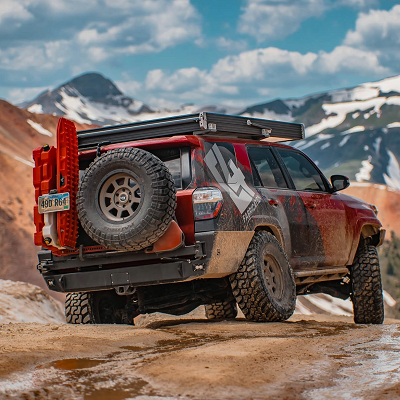
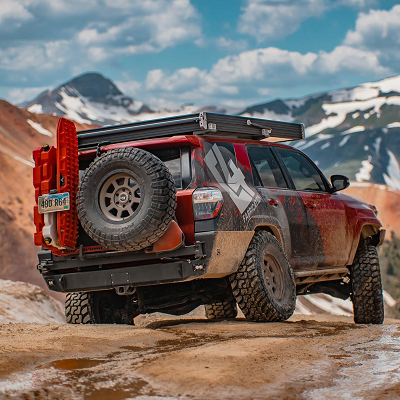
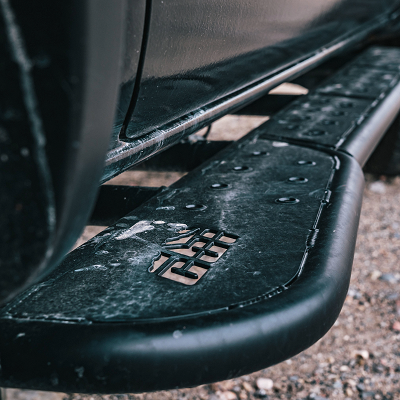




After installing my first aftermarket front bumper on my Toyota FJ Cruiser back in 2017, I realized just how much the stock plastic bumper was holding me back. That first real trail obstacle where I needed to use my winch showed me the value of having a proper heavy-duty steel bumper with integrated maximum strength mounting.
The factory Toyota FJ Cruiser bumper is essentially plastic over a basic frame. It looks rugged but isn't designed for actual off-road use. The minute you start tackling trails with any seriousness, rocks and obstacles expose its limitations fast.
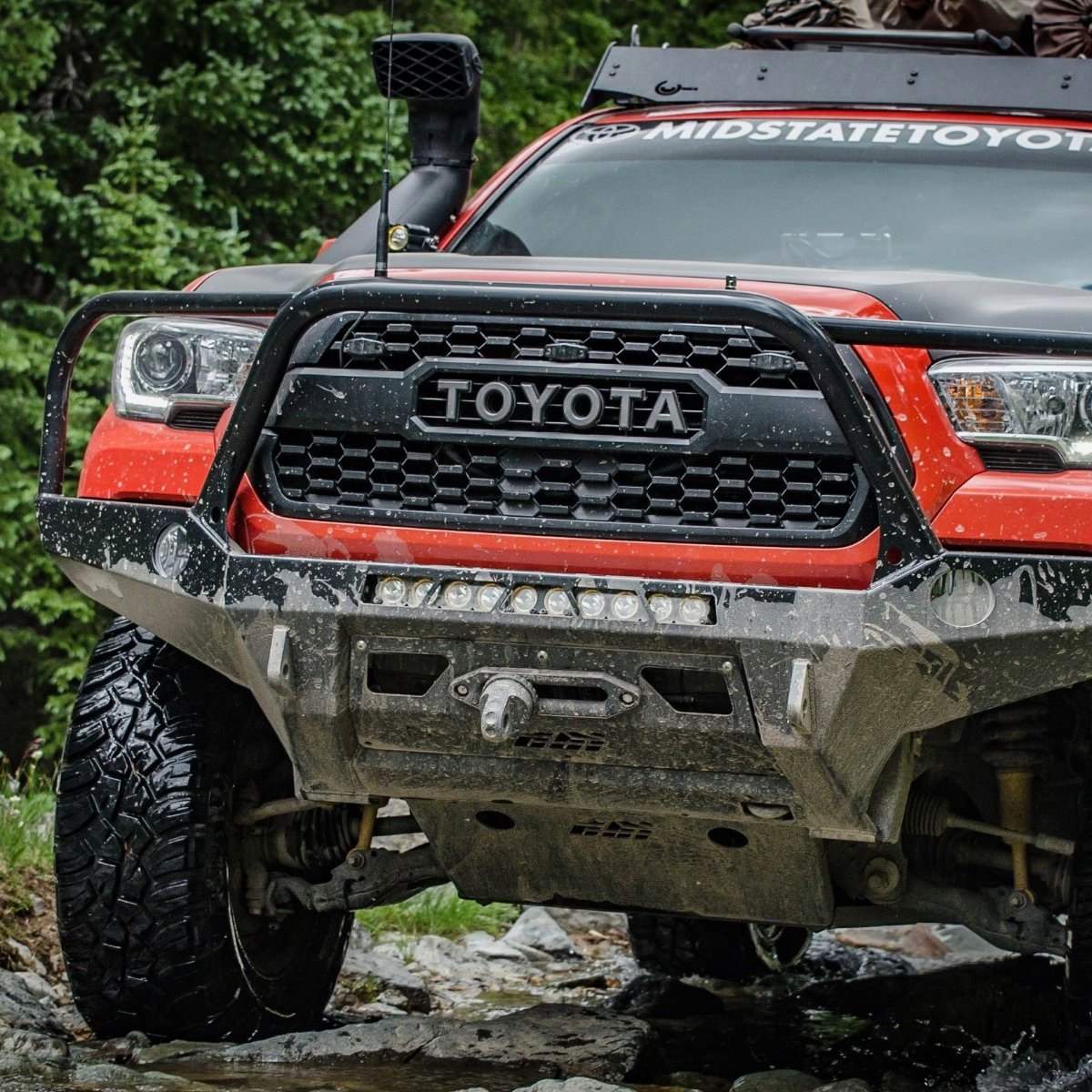
Upgrading your FJ Cruiser front bumper transforms your rig's capabilities with integrated winch mounts, recovery points, auxiliary lights provisions (like a light bar), and approach angle improvements. But choosing the wrong bumper means either wasting money on features you'll never use or ending up under-protected.
The factory Toyota FJ Cruiser bumper is plastic over a basic steel frame structure. It looks rugged but cracks on impact, and it also limits your approach angle. The factory frame doesn't accommodate winches properly, and there are zero provisions for recovery points or auxiliary lights beyond stock fog lights.
Upgrading to aftermarket steel gives you legitimate protection. When you slide into a rock or tree, a quality bumper protects your radiator, intercooler, and other expensive components behind that thin plastic factory cover.
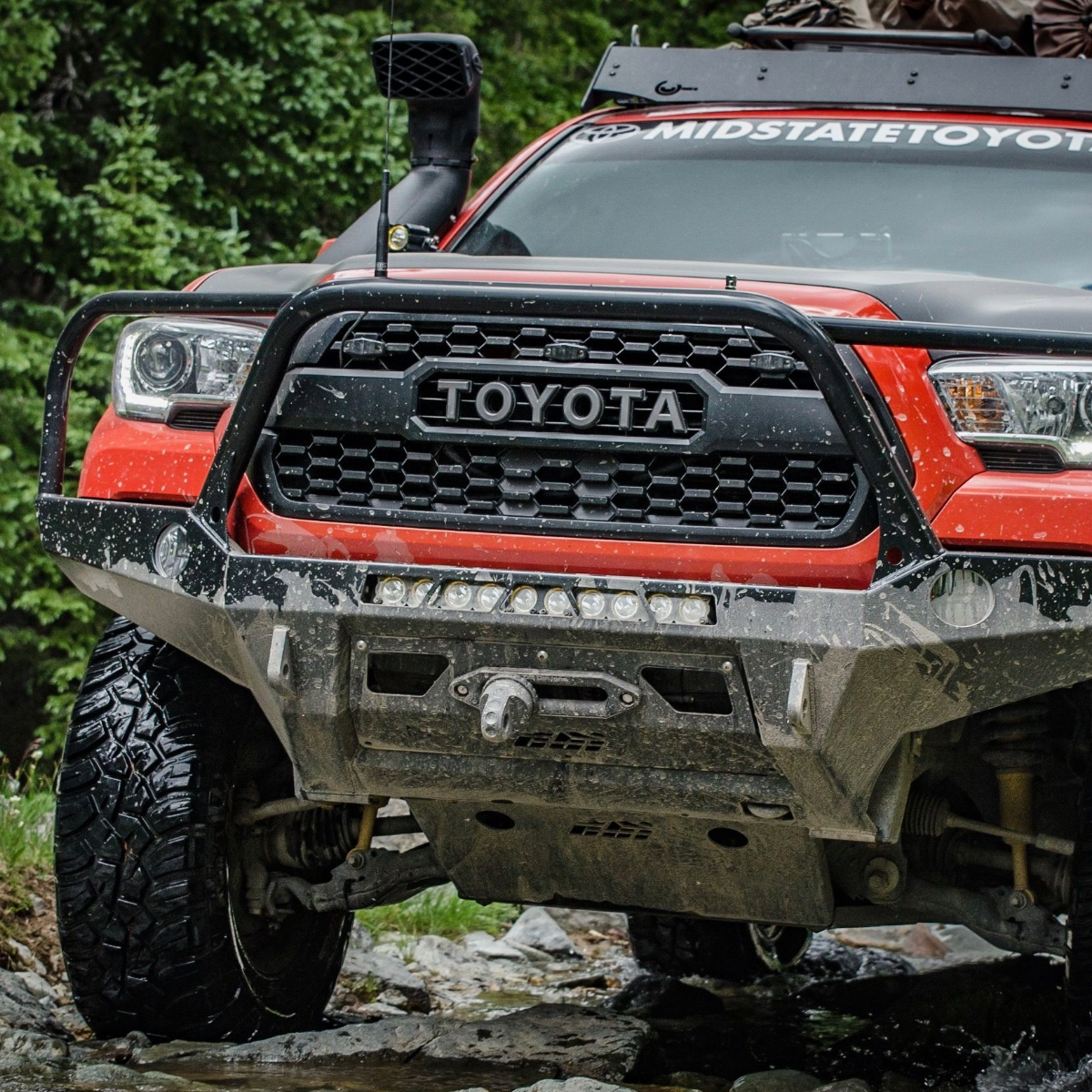
Winch integration is the biggest reason Toyota FJ Cruiser owners upgrade. A winch saves your trail day when stuck. Aftermarket bumpers build the winch mount into the structure using a thick steel plate constructed to easily handle the stress.
Recovery points become critical for group wheeling or challenging terrain. Quality bumpers include integrated shackles mounts rated for recovery operations. These let you use shackles and recovery straps safely without hooking to tow hooks not designed for lateral loads.
Approach angle improvement matters more than people realize. The factory bumper hangs low and extends forward. Aftermarket bumpers pull back and up, drastically improving the approach angle so you can climb steeper obstacles.
Your typical wheeling style should drive your bumper choice. Someone running moderate trails once a month has different needs than someone building a serious rock crawler or someone using their trucks for work.
Think about where you actually wheel and what obstacles you encounter. Desert running where you might hit high-speed debris? Full-width protection makes sense. Technical rock crawling with tight squeezes? A stubby bumper that improves clearance becomes more valuable.
Weight is a real consideration. Steel bumpers typically run 100-150 pounds. That's substantial weight on your front end, affecting handling and suspension. Aluminum bumpers are lightweight, saving 40-60 pounds, but usually command a higher price.
Winch mounting requirements matter if you're planning to run a winch. Make sure your bumper accommodates the winch size you want and that the mount is compatible. Most handle winches up to 9,500-10,000 pounds, but verify fitment.
Budget plays a role, but this is one area where buying quality the first time saves money. How? I'll explain it in one phrase: Buy it nice or buy it twice. Cheap bumpers use thin material and poor weld quality. They fail when you actually need them. Quality bumpers cost more upfront but will last the life of your Toyota FJ Cruiser.
Full-width bumpers extend the complete width of your Toyota FJ Cruiser's front end, providing maximum strength protection. These often incorporate a grill guard, hoop, or tube work that wraps around and protects the grille, headlights, and turn signals.
The protection level is unmatched. When you slide into a tree or rock, the bumper takes the impact before it reaches body panels or lights. They work well if you frequent areas where you might encounter animals or need maximum frontal protection.
The downside is weight and approach angle. Full-width bumpers are heaviest at 130-150 pounds, sometimes even more. They also extend forward more than stubby designs, limiting the approach angle on steep obstacles.

Stubby bumpers cut away material, creating a narrower profile that improves maneuverability and increases approach angle. The center section still provides protection for core components, and you can pick whether or not to get a winch mount or not.
The approach angle improvement is substantial. By pulling bumper ends back and up, you can tackle steeper ledges without catching your bumper. Weight savings compared to full-width options also maintain better front-end handling for your rig.
The tradeoff is reduced protection for vehicle corners. Your fenders and turn signals are more exposed. For aggressive rock crawling, where you're constantly hitting bumper corners, this can lead to body damage.

Hybrid bumpers balance full-width protection with stubby clearance benefits. They typically feature full-width lower sections with cut-back upper corners that improve approach angle.
These work well for mixed-use builds that see varied terrain. Weight falls between full-width and stubby options at 110-130 pounds. This makes them reasonable for daily drivers that also see weekend trail use.

Modular systems let you start with a base bumper and add components as needs evolve. You might begin with basic winch mounting and later add a light bar or hoop protection.
The flexibility appeals to builders who want to spread costs over time. Quality modular systems use integrated mounting points so added components look intentional rather than tacked on.
Expedition One builds some of the most popular Toyota FJ Cruiser bumpers in the off-road community. Based in Utah and made in the USA, their Trail Series bumpers are known for quality constructed designs. Their FJ Cruiser front bumpers use a robust 3/16-inch inner structure with 1/8-inch outer skin, providing excellent strength while keeping weight reasonable (100-140 lbs).
They offer several designs, including the Standard Trail Series, and WyoOtto series, and the Diamond series, letting you choose the protection level that matches your build. All FJ bumpers include integrated winch mounts for up to 10,000 lb winches, built directly into the structure for superior strength. Recovery shackles mount use 1-inch thick steel integrated into the internal structure.
Light integration includes ports for auxiliary lights and tabs for larger round lights. Finish options include bare steel or textured black powder coat. Prices range from approximately $1,500 to $2,000+. If you're looking for a brand that offers maximum protection and function, Expedition One is one of the best brands out there.

Demello Offroad out of Southern California specializes in lightweight, high-strength bumpers. They offer both aluminum Overlander series and steel Rock Buster series bumpers for the Toyota FJ Cruiser.
Their Overlander aluminum bumpers focus on strength and durability while saving significant weight, using aircraft-grade materials and internal reinforcement. The Rock Buster steel series provides maximum durability for heavy-duty use.
Both series include integrated winch mounts, recovery points, and provisions for auxiliary lighting. The designs are clean and functional, featuring 1/4-inch winch mount construction tied directly into the frame mounting points. Prices start at $1300.
Now, when it comes to aluminum bumpers, Demello is definitely one of, if not the top brand to consider. If you're on the hunt for a steel bumper, I'd say Demello and Expedition One are on par with quality, but if you'd rather save a few bucks, Demello has cheaper steel bumper options.

Installing a Toyota FJ Cruiser front bumper requires basic mechanical skills and a few hours, depending on experience, I'd say up to 6 hours if you're inexperienced. You'll need a floor jack, jack stands, basic hand tools, and preferably a friend or two who will help you out with a few cans of beer after the job.
Note: While usually a direct bolt-on, some installations might require minor cutting of the plastic inner fender liners or drilling new holes for the wiring harness brackets. Always read the instructions and watch an installation video specific to your model before starting.
Maintenance is minimal. Touch up paint or black powder chips on steel to prevent rust. Aluminum requires essentially no maintenance beyond occasional cleaning. Inspect mounting points and recovery shackles periodically for cracks or damage.
Quality aftermarket front bumpers for the Toyota FJ Cruiser range from prices of $1,200 to $2,500, depending on design complexity, material choice, and features. Budget another $500-1,000 for professional installation if you're not doing it yourself.
Entry-level bumpers from reputable manufacturers start around $1,200-1,500. These typically offer basic winch mounting and recovery points without extensive features like integrated lighting or modular expansion options. They provide solid protection and functionality for moderate trail use.
Mid-range bumpers run $1,500-2,000 and include better materials, more integrated features, and often modular expansion capability. This price range gets you quality construction from established manufacturers with proven designs.
Premium bumpers above $2,000 feature the most robust construction, extensive integrated lighting provisions, advanced modular systems, or specialized designs for specific use cases. For most Toyota FJ Cruiser owners, mid-range options provide the best value unless you have specific requirements that justify premium prices.
Material choice significantly impacts cost. Aluminum bumpers typically cost $200-400 more than equivalent steel designs due to higher material costs and more complex fabrication. The weight savings may justify the premium depending on your priorities.
Factor in accessories when budgeting. A winch adds $400-1,200, depending on capacity and quality. Auxiliary lights or a light bar run $200-800 for quality LED options. Recovery gear, including shackles and straps, adds another $100-300.
With that all listed out, a complete front-end upgrade can easily reach $3,000-4,000 with bumper, winch, lights, and installation.
Choosing the right FJ Cruiser front bumper comes down to honestly assessing your use case. A daily driver that sees occasional moderate trails has different needs than a dedicated rock crawler rig.
For most Toyota FJ Cruiser owners, a mid-range steel bumper from Expedition One or Demello Offroad provides the best balance of protection, functionality, and value. These handle real trail use, integrate winches properly, and provide recovery capabilities without excessive weight or cost.
Serious rock crawlers should consider stubby designs that prioritize approach angle. Expedition travelers might prefer full-width protection for remote travel where hitting animals or brush is more likely.
Don't cheap out on your front bumper. The bumper protects some of your vehicle's most expensive components. Quality construction costs more upfront but provides protection when it matters.
At Truck Brigade, we've helped countless Toyota FJ Cruiser owners choose the right front bumpers for their builds. We understand the differences between options and can guide you toward bumpers that match your needs and budget.
Whether you are looking to shop for a weekend warrior or a serious expedition rig, proper front-end protection is one of the most important upgrades you can make. Visit TruckBrigade.com to see prices, check product details, and read reviews from other customers. Create an account to manage your wishlist, track your purchase, and watch for a lower price or special shipping offers. We ensure safe delivery and are here to help if you need to contact us regarding shipping dates or product questions.
Do I need to modify my Toyota FJ Cruiser chassis to install an aftermarket bumper?
Most quality bumpers are bolt-on using factory mounting points. Some may require relocating the washer fluid reservoir or minor cutting of plastic liners, but significant cutting or welding is rare.
Will an aftermarket bumper affect my insurance?
Aftermarket bumpers shouldn't negatively impact insurance. They're safety equipment. Inform your insurance company about modifications.
Can I keep my factory fog lights?
While there are some, most aftermarket bumpers don't accommodate factory fog lights. Plan to install auxiliary lights in the bumper's integrated light ports instead.
How much does a front bumper affect fuel economy?
Added weight and altered aerodynamics can reduce fuel economy by 1-2 mpg. The functional benefits typically outweigh the minor efficiency loss. Note that large tires usually have a bigger impact than the bumper.
Do I need to upgrade my suspension for a front bumper?
Not necessarily for a single bumper, but added weight can cause a slight sag. If you're adding multiple heavy-duty accessories like a winch, roof racks, skid plates, and a rear bumper, suspension upgrades make sense.