Your Cart is Empty


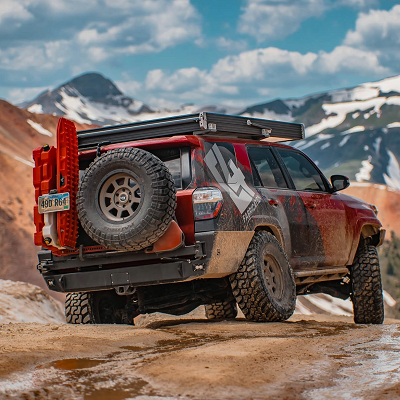
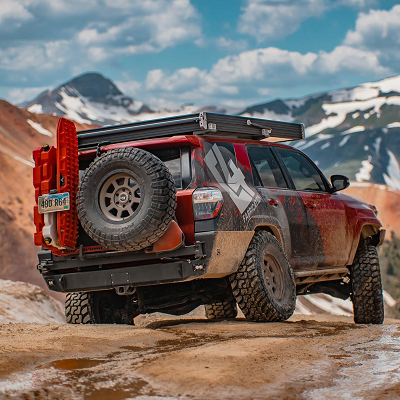




Holcomb Creek Trail sits in an interesting spot in Big Bear's lineup. It's not the relentless boulder gauntlet that John Bull is, but it's far from a scenic cruise. I've run it a handful of times over the years, and it never goes the same way twice. Last time, watched a Power Wagon on 37s winch twice through sections that my buddy's short wheelbase Jeep on 35s floated through. That's Holcomb Creek.
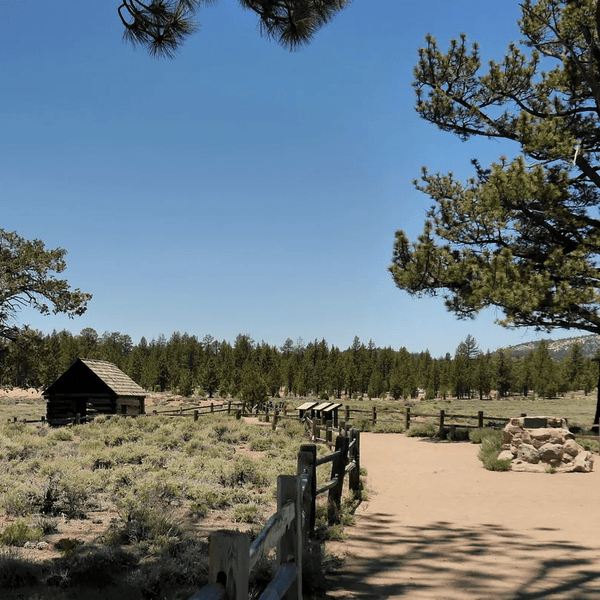
Located in the San Bernardino National Forest, Holcomb Creek (Forest Road 3N93) runs roughly 5.5 to 8 miles following Holcomb Creek through pine forest. Multiple water crossings, tough boulder fields, off-camber sections, and sandy climbs. It's rated Black Diamond, and it's a Jeep Badge of Honor trail. This isn't for stock vehicles, but it's achievable for well-prepared rigs with experienced drivers.
Looking for other Big Bear trails? Check out our Big Bear Off-Road Trail Guide
Holcomb Creek Trail follows old routes through Holcomb Valley, an area with deep gold rush history dating back to the 1860s. Miners worked these hills hard, and the trails they carved became the backbone of the off-road network we use today.
The creek itself runs year-round (though flow varies dramatically with rainfall), creating the water crossings that define much of the trail's character. During wet years, these crossings can be several feet deep and insanely challenging. During drought years, they're barely a trickle. Either way, wet rocks and wet tires add an extra dimension to the already technical boulder fields.
The trail has been maintained by the My Jeep Rocks club through the San Bernardino Forest Adopt-a-Trail program. They're committed to keeping it at Black Diamond difficulty, regularly checking for rock stacking or bypasses that would make obstacles easier. The gatekeepers at each end are intentionally designed to stop anyone whose rig or skills aren't up for what's ahead.
Elevation runs from about 5,600 to 6,500 feet, keeping you in the pine forest zone with good shade and cooler temps than the desert floor below. The region around Holcomb Creek is habitat for mule deer, black bears, and various birds of prey. For those feeling more adventurous, the area is also ideal for hiking and backpacking, with the Pacific Crest Trail (PCT) providing access to various hiking opportunities in the San Bernardino National Forest nearby.

The eastern access comes via Forest Road 3N14/2N09 near Polique Canyon, situated just north of Fawnskin. This puts you at the end (or beginning) of the trail heading east to west. While some drivers prefer this direction, it is less common for those looking to hit the most famous obstacles first. Starting from this side, you'll wind through the forest before reaching the rockier sections of 3N93 near the Holcomb Valley Campground.
The western access comes from Holcomb Valley Road (3N16) near Green Valley Lake. This is the traditional and most common starting point for those running the trail west to east. From Highway 18, you’ll head toward Green Valley Lake, connect to 3N16, and find the 3N93 junction. The western gatekeeper is the very first challenge you face; it is a notorious boulder field that serves as a "filter" for the rest of the trail. If your rig struggles here, it is best to turn back before reaching the even more technical rock gardens within the trail.
There is a connector trail (3N08 or Lower Larga Flat) that some use to bypass the middle sections. However, skipping these areas misses the core experience of the trail. The "North Side" trails are defined by these technical gardens, and the 3N93 is widely considered the most difficult of the three major runs in this area.
Unlike John Bull, which is one continuous boulder field, Holcomb Creek has tough sections separated by easier scenic stretches. The trail is always easy to follow despite its challenging features. But those tough sections are legitimately difficult, including a long 100+ yard rock garden at the south end that can entertain off-road enthusiasts for hours.
Holcomb Creek isn't one continuous difficulty level. It hits you with rock gardens, gives you a breather, then hits you again.
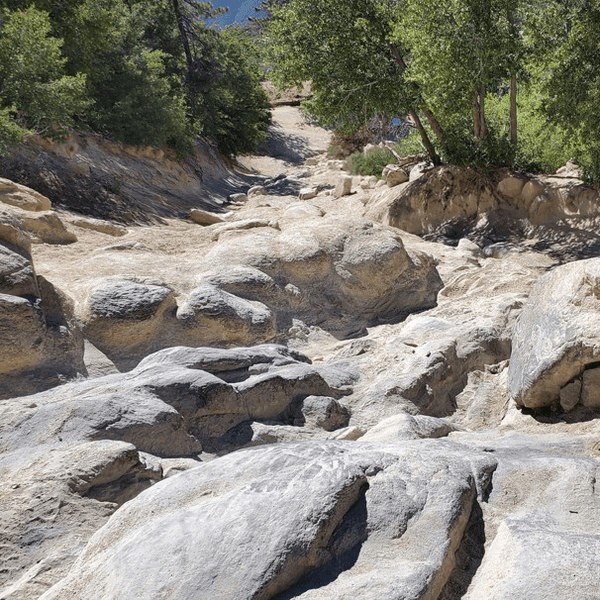
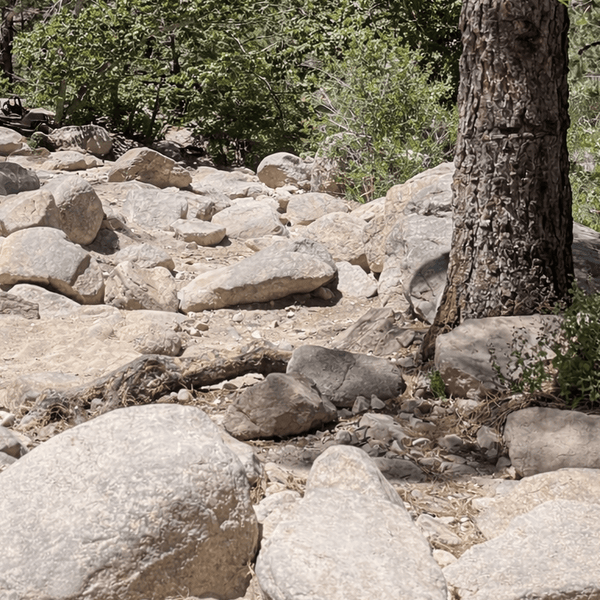
The boulder fields are the main event. Car-sized rocks requiring precise wheel placement and committed lines. The rocks are granite, which is quite unforgiving if you smack them wrong.
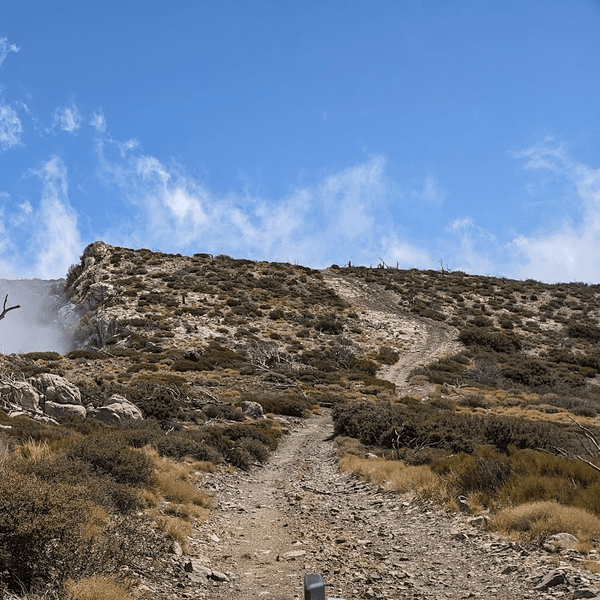
Between major rock gardens, you'll encounter off-camber sections through forest, steep sandy climbs requiring momentum, and water crossings. The creek crossings aren't deep usually, but wet rocks with wet tires change everything. Traction disappears.
The trail is narrow in many sections. When you meet oncoming traffic, someone backs up to a wide spot.

Multiple water crossings of Holcomb Creek define this trail. During normal conditions, the water is maybe ankle-deep at most. You're driving through the creek bed over smooth rocks. Sounds easy until you realize those rocks are slick and your tires have zero traction.
After heavy rain or during spring snowmelt, the crossings can be significantly deeper. A few feet of water changes the game. Your rig will float slightly, reducing traction even more. Wet conditions significantly increase the difficulty. This is where lockers earn their keep.
Throughout the boulder fields, you'll encounter ledges where you're climbing over rocks rather than around them. Some are small enough that clearance and approach angle get you over. Others require precise wheel placement and a spotter calling out inches. A spotter is crucial for navigating the large boulder fields safely.
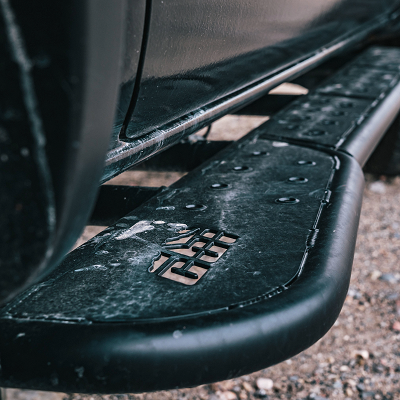
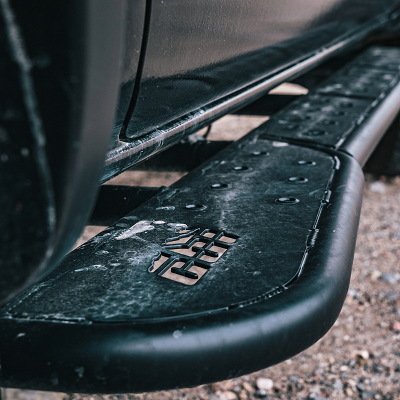
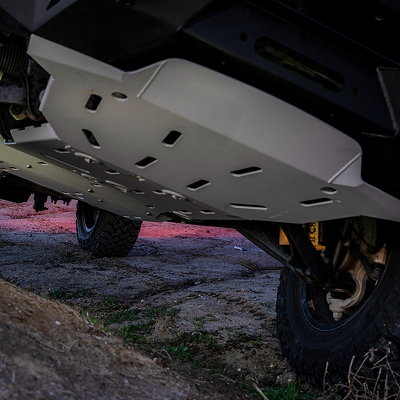
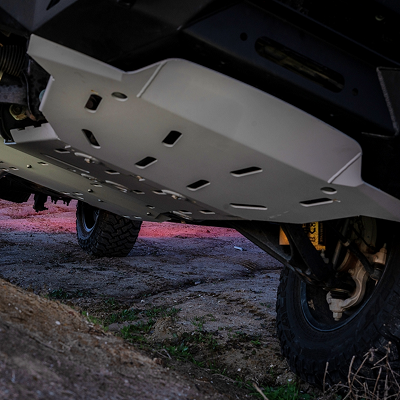
The granite doesn't give you any breaks. Hit it wrong, and you're looking at dented sliders, scraped bumpers, or worse. Body armor helps safeguard your vehicle from damage on this rough terrain. I've seen rigs crack transfer case skids on Holcomb Creek when they committed to a bad line.
Between the technical sections, the trail narrows through dense pine forest. These passages are tight enough that full-size rigs will get pinstriped. Branches and trees close in on both sides.
The forest sections also hide off-camber surprises. You'll be cruising along on what looks like an easy dirt road, then suddenly you'll lean over at an angle that feels sketchy. These aren't dangerous if you're paying attention, but let me just say this: They WILL get your attention.
Holcomb Creek sits firmly in the difficult category. It's rated 6-7 out of 10 on most scales, and I'd say that's accurate. The trail is popular among off-road enthusiasts and is often described as a must-ride in the Big Bear area.
It's harder than Gold Mountain but not as consistently brutal as John Bull. The key difference is that John Bull never lets up. Holcomb Creek gives you breaks between the hard sections. That makes it more achievable for intermediate drivers who are ready to step up from moderate trails.
The Black Diamond rating is appropriate. Stock vehicles will get damaged. Under-equipped rigs will get stuck. Even well-built rigs with inexperienced drivers can have a rough time.
That said, it's not impossible. Capable rigs with good drivers complete it regularly. The key is going in with realistic expectations and proper preparation. Traveling with at least one other capable rig is necessary due to the trail's difficulty.
To run Holcomb Creek comfortably, you need:
I've seen well-driven rigs on 33s make it through. They work harder and take more careful lines, but it's doable. Anything less than 33s and you're asking for trouble.
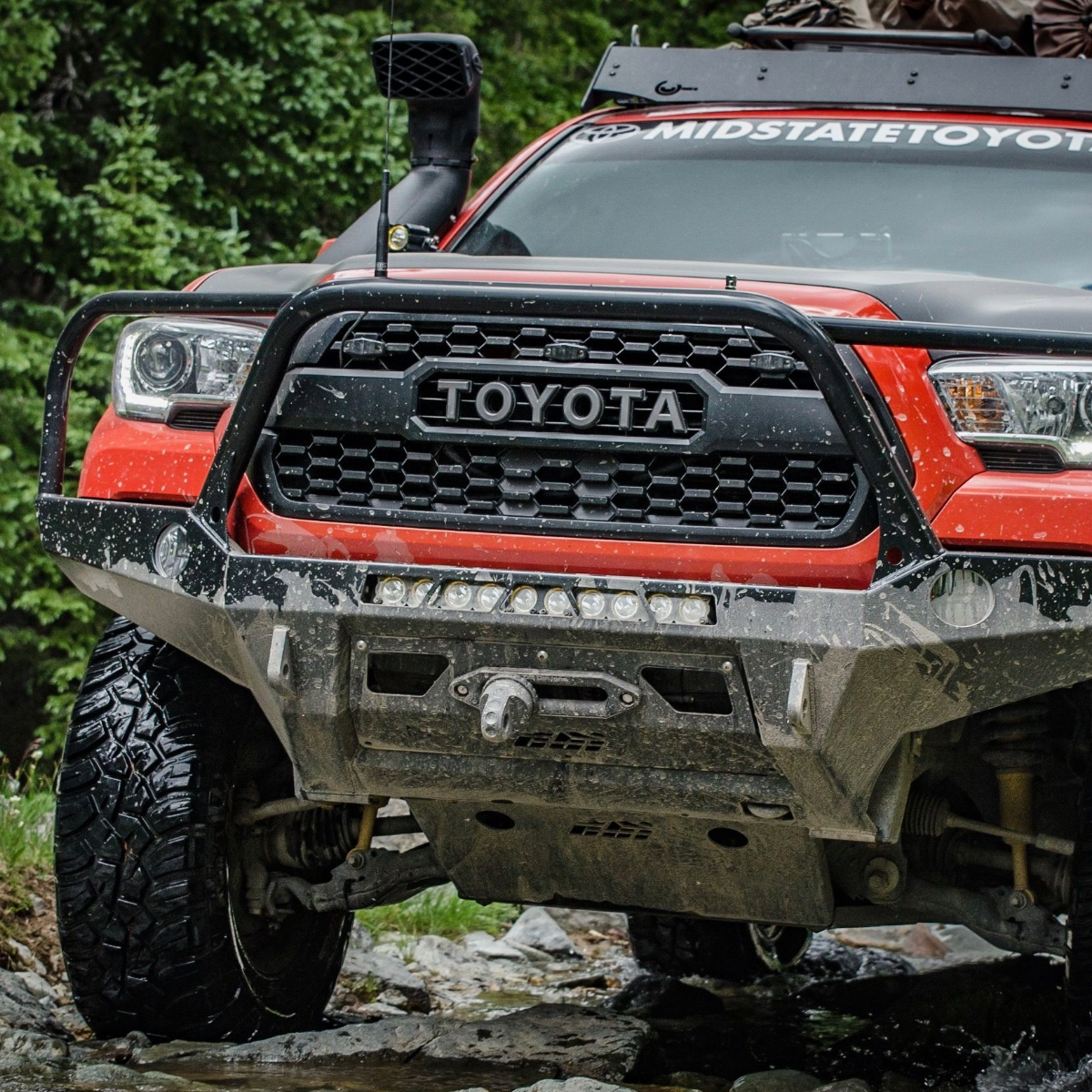
The rigs that handle Holcomb Creek confidently:
This level of preparation means you're not constantly worried about damage. You can focus on driving rather than stressing about clearance.
Late spring through early fall is the sweet spot. May through October typically offers the best conditions. The trail is best driven in summer and fall when conditions are most predictable.
Holcomb Creek shows up on OnX Offroad, Gaia GPS, and other off-road apps. Download offline maps. Cell service is spotty throughout.
The trail is well-defined. You're following Holcomb Creek through marked Forest Service roads. You won't get lost if you're paying attention to your GPS track. Call San Bernardino National Forest at (909) 382-2790 for current conditions before heading out.
Safety essentials: Bring extra water, food, a first aid kit, tools for basic repairs, and let someone know your plans. The closest services are in Big Bear Lake.
Holcomb Creek Trail offers a solid challenge without the intimidation factor of John Bull. It's achievable for intermediate drivers ready to step up their game, and it's fun for experienced drivers who want technical sections without committing to an all-day trip.
The combination of boulder fields, water crossings, and varied terrain makes it one of Big Bear's most well-rounded difficult trails. You'll use every bit of your vehicle's capability and improve your skills in the process.
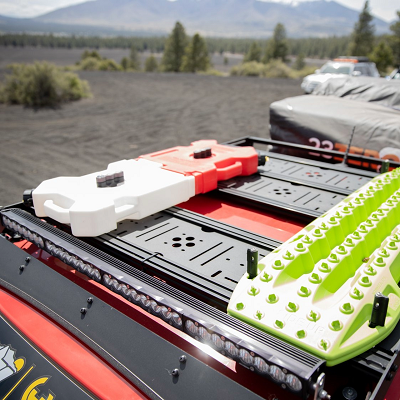
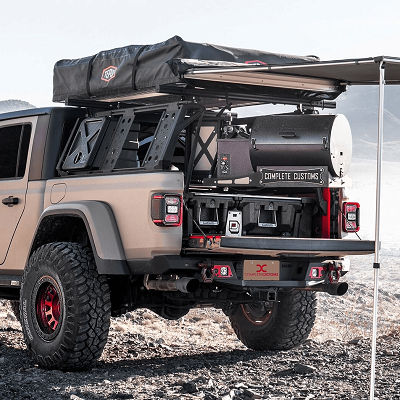
Before you tackle Holcomb Creek, make sure your rig is ready. At Truck Brigade, we outfit 4x4 adventure vehicles with exactly what you need for challenging trails. From suspension upgrades by King, Icon, Fox, and Bilstein to rock sliders, skid plates, and recovery gears, we build rigs that can not only handle Big Bear's toughest terrain but thrive in it with roof racks, roof tents, and other quality of life improvements for your rig. Feel free to contact us or visit truckbrigade.com to get your rig prepared for Holcomb Creek and beyond.
Comments will be approved before showing up.