Your Cart is Empty


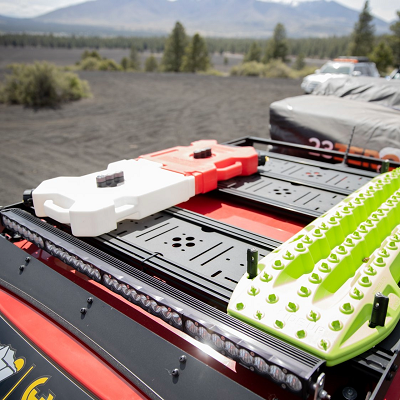
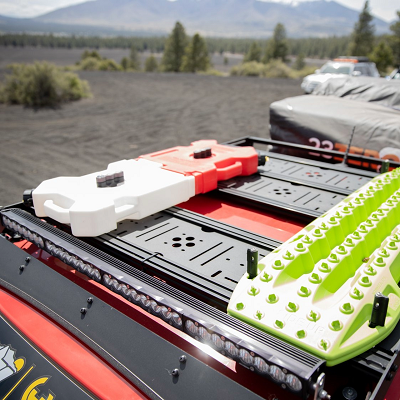

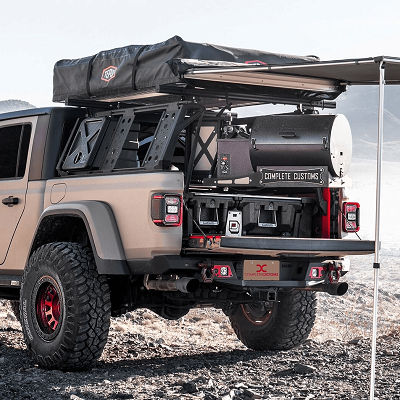
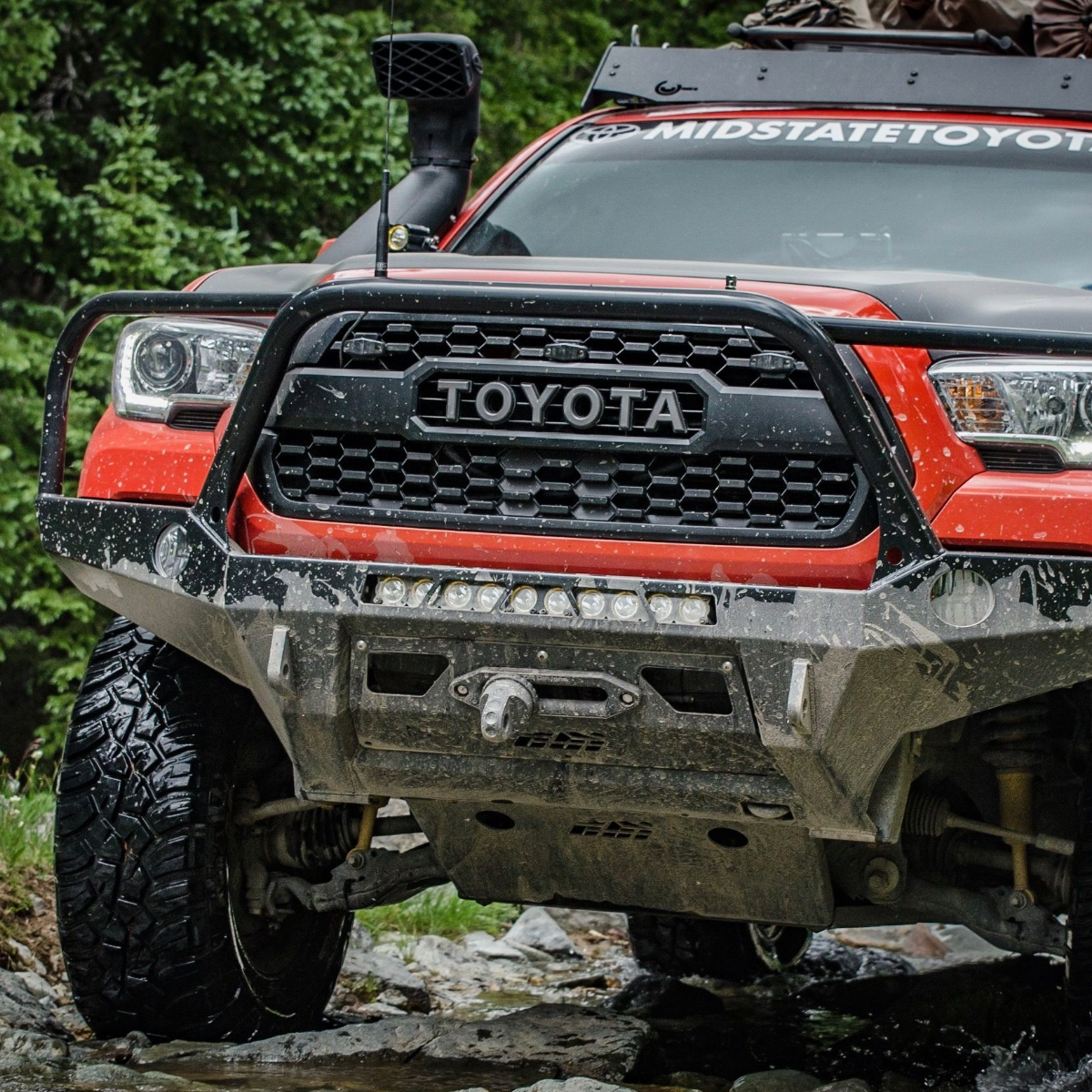
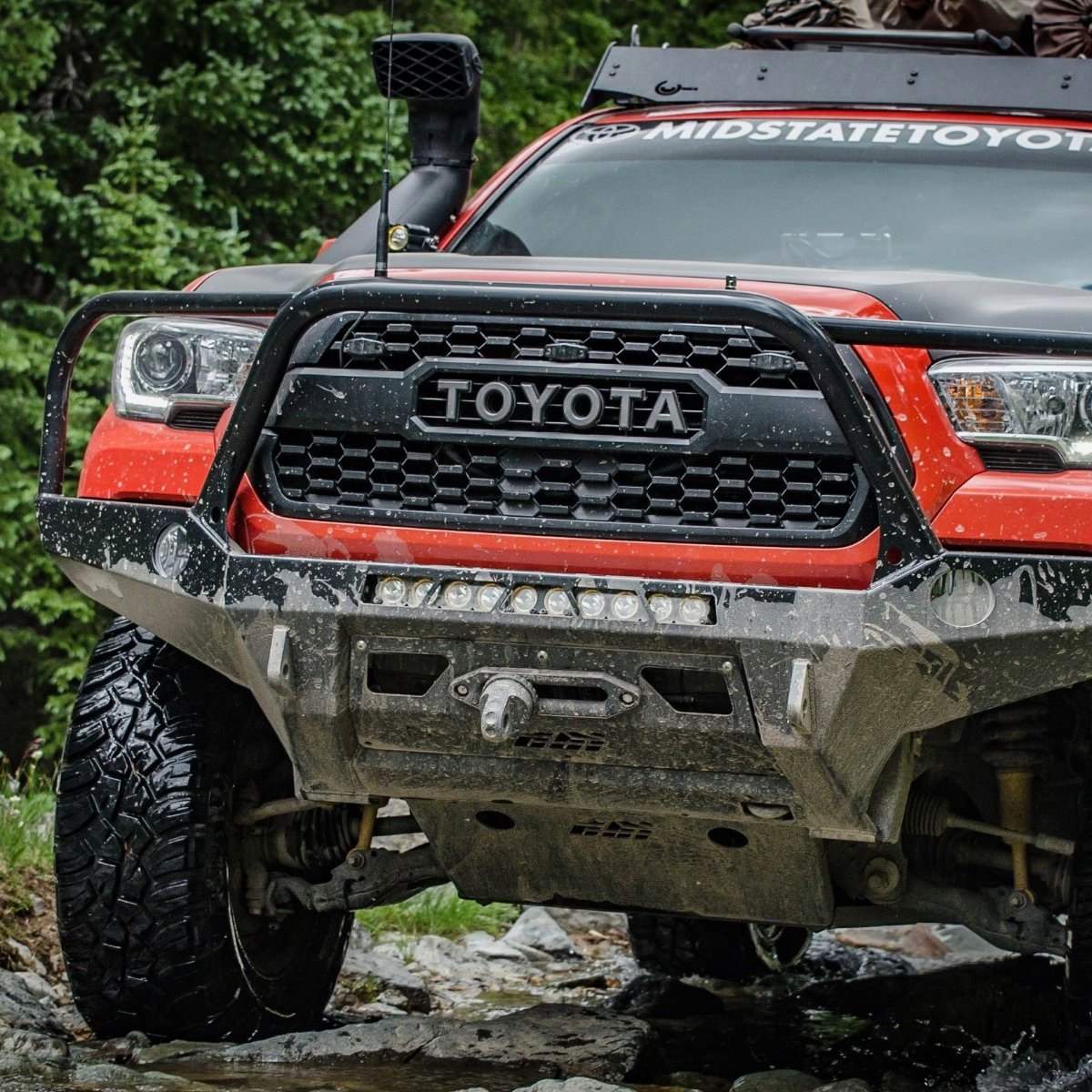
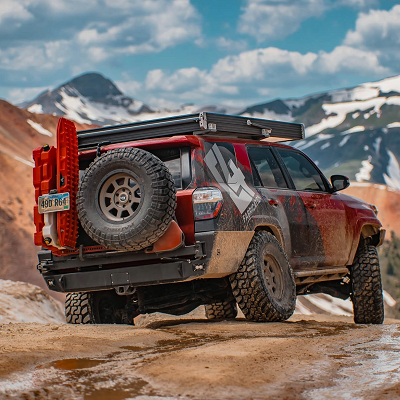
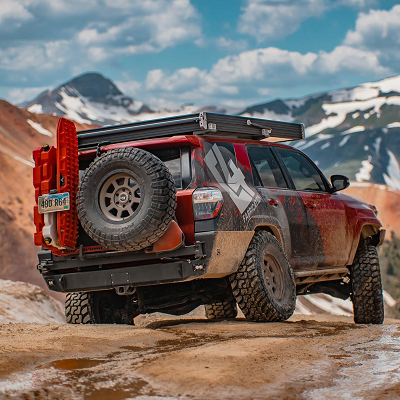
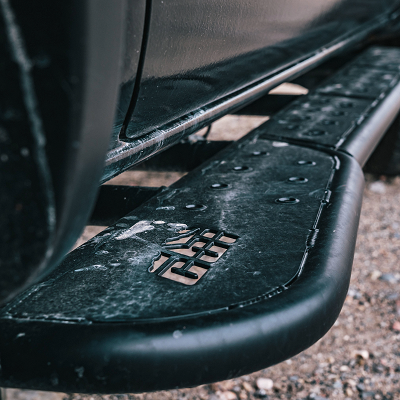
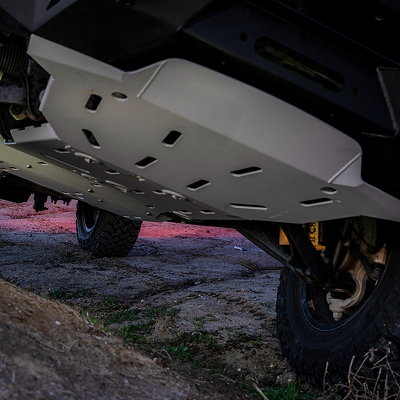





After three years running an aftermarket FJ Cruiser exhaust system, I've learned the marketing promises and reality are very different. I didn't gain 20 horsepower or improve gas mileage by 5%. But I got what actually matters: better ground clearance, aggressive sound, an exhaust that won't rust out as easily as stock, and maybe a bit of improvement with throttle response.
Some purists insist on keeping their FJ as it rolled off the dealership. We're not talking about which is better or right, we'll just lay out the facts so you can make a sound decision whether to keep your exhaust stock or change it to aftermarket.
Your FJ Cruiser exhaust system expels burned gases from the engine through catalytic converters, resonators, the muffler, and out the tailpipe. Yes, it isn't just about sound. But on the FJ specifically, exhaust location also matters for off-road capability.
The factory setup runs exhaust over the rear axle and exits at the rear bumper, creating departure angle issues on steep descents and making the system vulnerable to rock damage on the road. Many aftermarket options relocate the exit or tuck components higher for better clearance on trails.
OEM stands for Original Equipment Manufacturer. OEM exhaust parts for your Toyota FJ Cruiser are identical to what Toyota installed at the factory, carrying Toyota part numbers and meeting exact specifications for quality and performance. Perfect fitment is the biggest advantage; factory parts bolt directly into place with zero modifications for easy install. Sound stays factory quiet with no drone, and you'll pass emissions testing guaranteed.
But here's where it gets ugly: OEM exhaust systems can easily cost thousands of dollars before labor. An OEM exhaust system replacement can easily go up to the thousands, and that's before labor. Even just the manifolds or other individual parts can cost you hundreds to thousands without labor. This is why aftermarket options look very attractive.
The OEM muffler, as its name suggests, prioritizes muffling sound over performance gains and is particularly restrictive. The rear exit location also limits departure angle and exposes the exhaust to trail damage. OEM exhausts also weigh significantly more than aftermarket alternatives due to all the material that makes the system quiet, efficient, and safe.
Aftermarket systems come from third-party manufacturers like MBRP, Borla, Flowmaster, MagnaFlow, and aFe POWER. Quality varies from budget options using thin aluminized steel to premium systems with thick stainless construction designed for durability or titanium systems for lighter weight.
Cat back exhaust systems replace everything from the catalytic converter back to the tailpipe, offering significant performance and sound changes by removing restrictions. You keep factory cats (maintaining emissions compliance) while changing mid-pipe, muffler, and tip. These systems typically deliver 1-6 HP gains and improved flow with benefits that include better sound and modest power improvements.
Axle-back systems focus primarily on muffler and tip changes for sound, with less impact on performance than cat-back systems. This is also the most budget-friendly option for owners who want sound improvement without a major investment.
High-clearance systems (also called high-tuck systems) relocate the tailpipe exit to the side before the rear axle or tuck the system higher. These maximize ground clearance for off-roading and are preferred for serious trail work to avoid damage.
Sound customization lets you select exactly how your FJ sounds. Want aggressive sound? Flowmaster Outlaw delivers muscle-car tone. Prefer deep, smooth tones? MagnaFlow offers balanced sound and performance without excessive volume. MBRP provides great value with sound that's good without being too loud.
Better ground clearance with high-clearance designs eliminates over-axle piping. Weight reduction of 20-40% is typical. Modest performance gains are real, but not miraculous; most cat back exhaust systems for the FJ Cruiser provide performance gains of roughly 1-6 horsepower and 1-11 lb-ft of torque. But what you will most likely notice is a better throttle response, which you'll appreciate when you're up on a technical trail.
High-quality aftermarket systems typically use T-304 or T-409 stainless steel, which lasts longer than factory mild steel systems. T-304 stainless steel is the gold standard for rust prevention and durability. Aftermarket systems can improve aesthetics with polished tips and better materials, and many come with lifetime warranties that account for long-term value.
Now, not all exhausts are created the same; cheaper ones are plagued with fitment issues which may require trimming or welding. Interior drone at highway speeds is also common with poorly designed systems. Quality varies dramatically, and cheap exhausts rust quickly in wet climates. You get what you pay for based on the price point you select.
Now that you are caught up in what you need to know, here are the top exhaust options in the market right now:
MBRP offers the best value proposition in FJ exhaust options with great sound quality at an affordable price. Their cat-back systems start at $400+ for the aluminized steel Armor Lite, and $450 for the stainless steel Armor Plus. Both systems use 2.5-inch mandrel-bent tubing with free-flowing mufflers engineered to improve torque and horsepower.
The sound profile is "rich and mellow," louder than stock but not aggressive. Systems are designed as direct-fit bolt-on upgrades using factory mounting locations with all necessary hardware and clamps included for easy installation.
MBRP offers both rear exit and side exit configurations, with the side exit version maximizing ground clearance for trail use.

MagnaFlow built its reputation on straight-through muffler design and quality stainless steel construction. Their FJ Cruiser cat-back systems deliver a deep, aggressive exhaust note while minimizing cabin drone, with pricing typically at a more premium range.
The signature MagnaFlow sound is throaty and muscular, deeper than stock, with good presence. Highway drone is fairly minimal, and don't take our word for it, FJ Cruiser owners frequently share positive feedback about the sound quality on their review pages.
If you're looking for something proven and tested, loved by many, and sure to last you a while, Magnaflow exhausts should be high on your consideration list.

Flowmaster brings multiple sound levels to the FJ platform with options that deliver different levels of aggressive sound. The FlowFX series offers moderate volume with distinctive Flowmaster tone, while the Flow FX Extreme series cranks up aggression for maximum muscle-car sound.
The FlowFX cat-back uses 2.5-inch mandrel-bent 409 stainless steel tubing, with a pricing of around $500. The Outlaw Extreme system steps up to 3.0-inch tubing and a louder muffler, dumping exhaust before the rear axle in a high-clearance configuration at a lower $380-450 range.
Both systems are designed for easy installation without cutting or welding, using factory mounting points with all hardware included. High-clearance designs solve the departure angle issue that makes the stock system vulnerable to damage on technical trails.

Borla represents the premium end of FJ exhaust options with exceptional quality and sound. Their cat back exhaust systems start at around $900 with options going up to $1500+, depending on configuration and features, but it's mostly a choice if you want a single exit or a dual exit system.
All Borla systems use T-304 stainless steel with CNC manufacturing for precise fitment and a million-mile warranty. Sound quality is crisp and aggressive with minimal highway drone, which as they describe it is just perfect for touring.

Gibson offers stainless steel cat-back systems in the $500-700 range (depending on tips). Gibson exhaust for the FJ Cruiser is designed to maximize low-end torque and horsepower with a deep, aggressive exhaust note and quality flow. Material quality is good with thick-gauge stainless steel that resists corrosion and delivers lasting performance.

aFe POWER brings serious engineering with several series of exhaust systems for the FJC at a reasonable price. You have the mid-range priced Scorpion cat-back exhaust system, but the real deal's with their MACH Force-Xp system that gave the FJC an extra +6 hp and +11 lb-ft on aFe's dyno testing.
aFe systems use 409 or 304 stainless steel construction with mandrel-bent tubing and free-flowing mufflers. The Scorpion exhaust system features a less-restricting, baffled muffler that produces a smooth tone without excessive drone. While the MACH Force-XP comes with a tone as aggressive as the power gains it claims.

Cat-back installation is DIY-friendly with basic tools for easy installation. You'll need a jack, jack stands, penetrating oil, a socket set, and a blowtorch if those bolts are feeling stubborn. Most systems are designed as direct-fit bolt-on upgrades, typically requiring 30 minutes to an hour or two based on experience.
Spray penetrating oil on all bolts 24 hours before starting. Exhaust hardware and clamps corrode significantly over time. Support the system properly before unbolting. Check fitment before final tightening, install loosely, verify alignment, then tighten front to back. Replace old rubber hangers to prevent vibration issues.
Expect an exhaust smell for a few days as oils burn off. Listen for leaks after installation and tighten as needed. Note that small leaks often seal themselves after heat cycles.
After three years running an aftermarket system, I'd make the same choice. I didn't gain noticeable power, but I got better sound, better throttle response, saved money versus OEM, and have a system that's held up both on-road and off-road conditions.
The decision comes down to priorities. Value factory-quiet and have the budget? OEM makes sense. For most FJ owners, quality aftermarket offers better value with improved sound, modest performance gains, and cost savings that make the change worthwhile.
Skip cheap, no-name exhausts you randomly find on Amazon, spend the extra $100-200 for known brands that deliver quality, and consider high-clearance designs if you go off-road.
Ready to upgrade? Reach out to Truck Brigade with questions about which system fits your driving style and budget.
What brands make the best FJ Cruiser exhausts? Popular aftermarket exhaust brands for the Toyota FJ Cruiser include MagnaFlow, MBRP, aFe, Flowmaster, Borla, and Gibson. MBRP for value, MagnaFlow for balanced sound and performance, Flowmaster for aggressive tone, and Borla for premium quality.
Will I need special tools or modifications? Most quality systems are designed for easy installation without cutting or welding. You'll use factory mounting locations with included hardware and clamps. Basic hand tools and jack stands are needed for most cat back exhaust system installations.
Do I need to tune my FJ after installing an exhaust? No. Cat-back exhaust systems don't require tuning since you're keeping factory catalytic converters and filters. The ECU adapts automatically to minor flow changes.
What's the difference between aluminized and stainless steel? Stainless steel (especially T-304) offers superior rust resistance and durability. Aluminized steel works fine in dry climates but may rust faster in salt-heavy environments. High-quality systems use T-304 or T-409 stainless steel for longevity year after year.