Your Cart is Empty


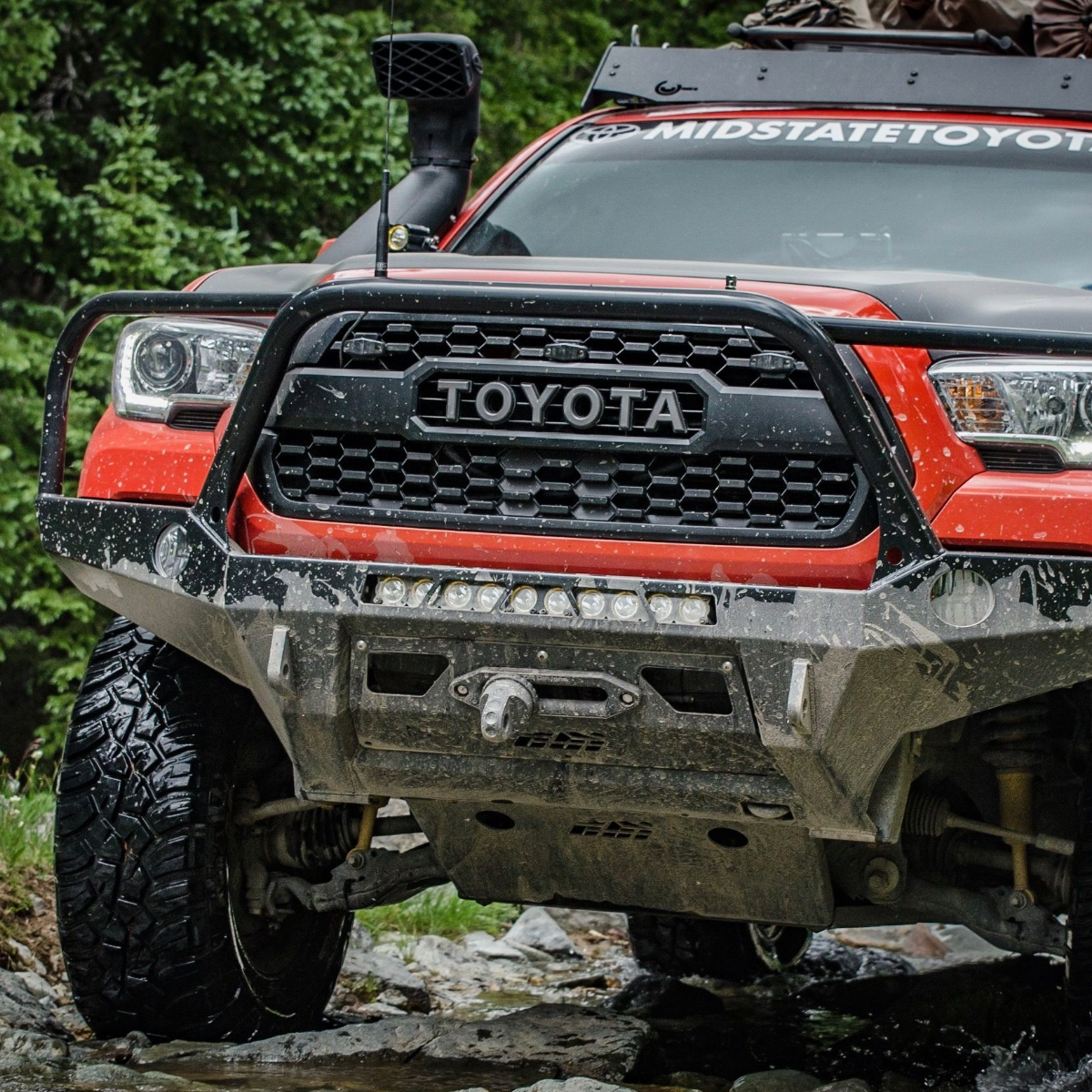




I'll never forget seeing water go over my hood during a river crossing in Colorado. My buddy's stock FJ Cruiser started coughing halfway through when water hit the air intake. Mine kept pulling strong thanks to the ARB Safari snorkel I'd installed three months earlier. That mod saved my engine that day.
If you're serious about taking your Toyota FJ Cruiser off-road, a snorkel acts as insurance against hydrolocking your engine and is a legitimate performance upgrade for dusty conditions. Let me personally walk you through why this works great for the FJ Cruiser.
A snorkel system relocates your engine's air intake from its factory position under the hood to a much higher location near the roofline. Instead of drawing air from the vulnerable factory position where it can suck water or dirt, your engine pulls air from above the hood where there's a constant air supply of cleaner, cooler air.
The system uses a sealed intake tube running up your A-pillar, connecting your factory air filter box to a raised air ram head at roof height. That air ram head also incorporates a built-in water separator that removes rain and moisture from incoming air.
Contrary to popular belief, a snorkel isn't just about deep water crossings. The real daily benefit comes from accessing cleaner air in dusty conditions. When you're following another vehicle on dusty roads, your factory intake sucks in their dust cloud at bumper height. A snorkel pulls air from above that dust, creating more air flow to your engine.
The air ram can rotate too, which is a cool feature. Face it forward for maximum ram air effect and better air flow. Rotate it backward in heavy rain or dust to minimize what the snorkel intake sucks in. That flexibility gives you control based on conditions and the route you plan to take.
Your FJ Cruiser was built for this modification. Toyota designed the 1GR-FE 4.0L V6 with solid water fording capability (officially rated to 27 inches), but the factory air intake location limits that potential.
The FJ's boxy design makes installation straightforward compared to curved modern SUVs. The A-pillar provides a direct path from intake to air ram without complex fabrication. Your FJ's off-road focus means it actually gets used in conditions where snorkels matter, fording streams, tackling muddy trails, and driving through dust clouds.
Hydrolocking your engine is a real headache. Water gets sucked into cylinders, the piston tries to compress it, and since water is incompressible. internal engine components bend or break. Repair costs start at $5,000 and often exceed $10,000. That's a ridiculous amount of damage from something so simple and preventable as water.
A snorkel extends your air intake from roughly 24-30 inches to 70+ inches. That extra 3-4 feet transforms your safe fording depth. Your FJ's official wading depth is 27 inches, but most people won't push that water level limit with a stock intake. With a snorkel, you can confidently cross rivers and ford water deep up to your hood line without triggering a hydrolock.
This benefit impacts most people more than deep water crossings. When you're running trails in summer on dusty roads, dust is constant. Your buddy's FJ ahead kicks up a brown cloud. Your stock air intake sits right in the middle of that dust plume at bumper height, where it can suck in massive amounts of dirt.
A snorkel pulls air from 5-6 feet higher, where dust hasn't reached. Less dust means longer filter life and better engine protection. This aspect alone can save you money on replacement filters over the life of your vehicle.
High-quality snorkels include built-in pre-cleaners that spin out larger particles before they hit your air filter. ARB's Safari snorkel uses cyclonic separation. These systems catch sand, dirt, and moisture before it enters your intake tract.
The performance gains are subtle, but it's there, trust me. Cooler air is denser air, and denser air means better combustion. Factory intakes pull warm air from the engine bay. Snorkels provide a constant air supply of cooler air from outside the vehicle, improving air flow to the engine.
The temperature difference ranges from 10-30 degrees, depending on conditions. That cooler air provides marginally more oxygen per volume and creates more air flow. You're not adding 20 horsepower; think 2-5 horsepower gains and similar torque improvements.
The bigger benefit comes from maintaining consistent air flow. The raised intake position and larger diameter tubing reduce restriction, count in the ram air intake, and there's even less restriction. Gas mileage can improve slightly as well, although don't expect miracles. Some owners report 0.5-1 MPG gains, not a lot, but I think it adds up over the life of your truck.
The ARB Safari snorkel sets the standard for FJ Cruiser applications. Australian-designed and manufactured, ARB has been building snorkels since the 1980s. The Safari VSPEC model (part number SS420HF for 2010-2014 FJs) uses UV-stable crosslinked polyethylene construction that resists cracking and fading.
Unlike other kits, this snorkel is designed specifically for the FJ Cruiser. The fender fitment is precise, and mounting points align perfectly with factory body locations. The included template makes the hole cutting accurate, which takes away some of the stress out of drilling into your fender.
The air ram head incorporates ARB's charge air ram design with built-in water separation. Rainwater gets spun out of the incoming air stream and drains through evacuation ports. The ram can rotate to face forward, backward, or any angle between.
Installation takes about 2 hours for someone with basic mechanical skills. You're cutting a hole in your fender, but the template system removes the guesswork out of it. ARB includes stainless steel mounting hardware, high-quality hose clamps, and detailed instructions.
The Safari snorkel handles extreme UV exposure, temperature swings, and physical impacts from trail debris. But, for extra peace of mind, ARB backs it with a limited lifetime warranty.

Shop ARB Safari Snorkel for FJ Cruiser
The Volant system integrates the FJ Cruiser snorkel with a complete cold air intake. The Periscoop system combines its sealed air filter box, high-velocity air intake tube, and hood-mounted snorkel into one package. The prices are higher ($450-760 depending on configuration), but you're getting a complete intake system.
The design mounts the snorkel through the hood rather than the A-pillar, creating a lower profile look that some guys prefer. The polished aluminum air ram head looks more refined than traditional black plastic designs. Volant's sealed air box design provides better filtration and keeps your engine protected.
Performance gains are Volant's focus, and this system works great for that. Their high-velocity venturi filter adapter provides smoother air flow through the MAF sensor. The larger cool air box captures more cold air from outside the engine compartment, improving gas mileage and power.
Installation requires professional help for most people since drilling the hood mount location involves some precision work. Factor installation costs ($200-400 at most shops) into your budget when you plan this purchase.
The Volant system delivers measurable performance gains along with snorkel protection. Dyno testing shows 5-8 horsepower improvements over stock. If you want both protection and power, Volant makes sense. Just be prepared to spend a bit more money and extend your installation timeline if you need to shop for a qualified installer.

Snorkel installation intimidates first-timers since you're cutting holes in your FJ's bodywork. But with the right preparation, it's a manageable DIY project.
First, position the supplied template against your fender and A-pillar to mark hole locations. As they say, measure thrice, drill once. The template ensures proper placement for the main intake hole and mounting studs. But one bit of advice: tape the template down so it doesn't shift.
Next comes drilling, where guys get nervous. Start with a small pilot hole, then use progressively larger bits. Most kits require a 3.5-inch hole saw for the main intake opening. Use painter's tape to protect your paint. Immediately touch up exposed metal edges to avoid creating rust issues.
Mount the snorkel body by installing studs through pre-drilled holes, then securing with washers and nylock nuts. Many installers add silicone sealant around studs for extra moisture protection. The snorkel system needs to seal properly against the fender to prevent dust and water intrusion.
The interior work involves removing your fender liner to access the factory air box. Disconnect the stock intake tube and connect the snorkel's lower hose. This connection must be airtight using quality hose clamps.
Finally, route any excess wiring, reinstall the fender liner, and test fit everything before final tightening. Start your engine and check for air leaks.
Most installations take 2-3 hours for your first time. Professional installation runs $200-500, depending on your location.
Once you've addressed air intake protection, consider these complementary modifications for deep water crossing capability on your FJ Cruiser.
Differential Breathers extend your diff vent points to higher positions under the hood. Extended breather hoses prevent water from entering your differentials during deep fording. This is essential if you're using your snorkel's water crossing capability. The benefit here is huge for protecting expensive diff internals.
Sealed Electronics protect vulnerable components on your vehicle. Key areas include ECU connectors, battery terminals, and ignition components. This creates another layer of protection beyond just the air intake system.
Waterproof Cold Air Intake complements your FJ Cruiser snorkel perfectly. ARB and Volant both offer sealed air box designs that prevent water entry even if splash reaches the engine bay.
Roof Rack becomes more practical once you have a snorkel. Many FJ owners install roof racks for gear storage, and the snorkel doesn't interfere with most rack systems. The two mods work together well for overland trips.
Rock Sliders protect your rocker panels during trail driving. They're part of building a capable off-road truck that can handle anything Planet Earth throws at it.
Upgraded Suspension with a lift raises your entire vehicle, increasing ground clearance and improving your approach to water crossings. A 2-3 inch lift combined with a snorkel significantly increases your fording depth when the water gets high.
After running a Safari snorkel on my FJ for the past three years, I can't imagine going back. The deep water crossing protection is obvious, but the real daily benefit is cleaner air in dusty conditions. My air filter stays cleaner longer with consistent air flow. And I never worry about that one unexpected water crossing destroying my engine.
Is an FJ Cruiser snorkel necessary for every owner? No. If you stick to maintained roads and never encounter dust or water, save your money. But if you actually use your Toyota FJ Cruiser for serious off-road adventures, a snorkel is one of the smartest investments you can make. The benefit extends beyond just protection.
Weekend trail runners who encounter dust and occasional water crossings benefit immediately. Serious overlanders consider snorkels essential equipment. Even casual off-roaders gain peace of mind knowing their engine is protected and getting cool, clean air.
Start with the ARB Safari snorkel if you want proven reliability. Choose the Volant system if you want performance gains and don't mind professional installation. Either way, you're adding capability to your FJ that opens up new trails and new confidence when water gets deep.
Ready to protect your engine? Check out the snorkel options we've covered and reach out to our team at Truck Brigade with questions about fitment or installation for your Toyota FJ Cruiser build. We can help you shop for the right system and plan your installation.