Your Cart is Empty



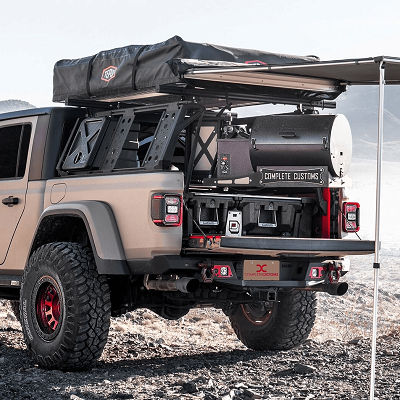
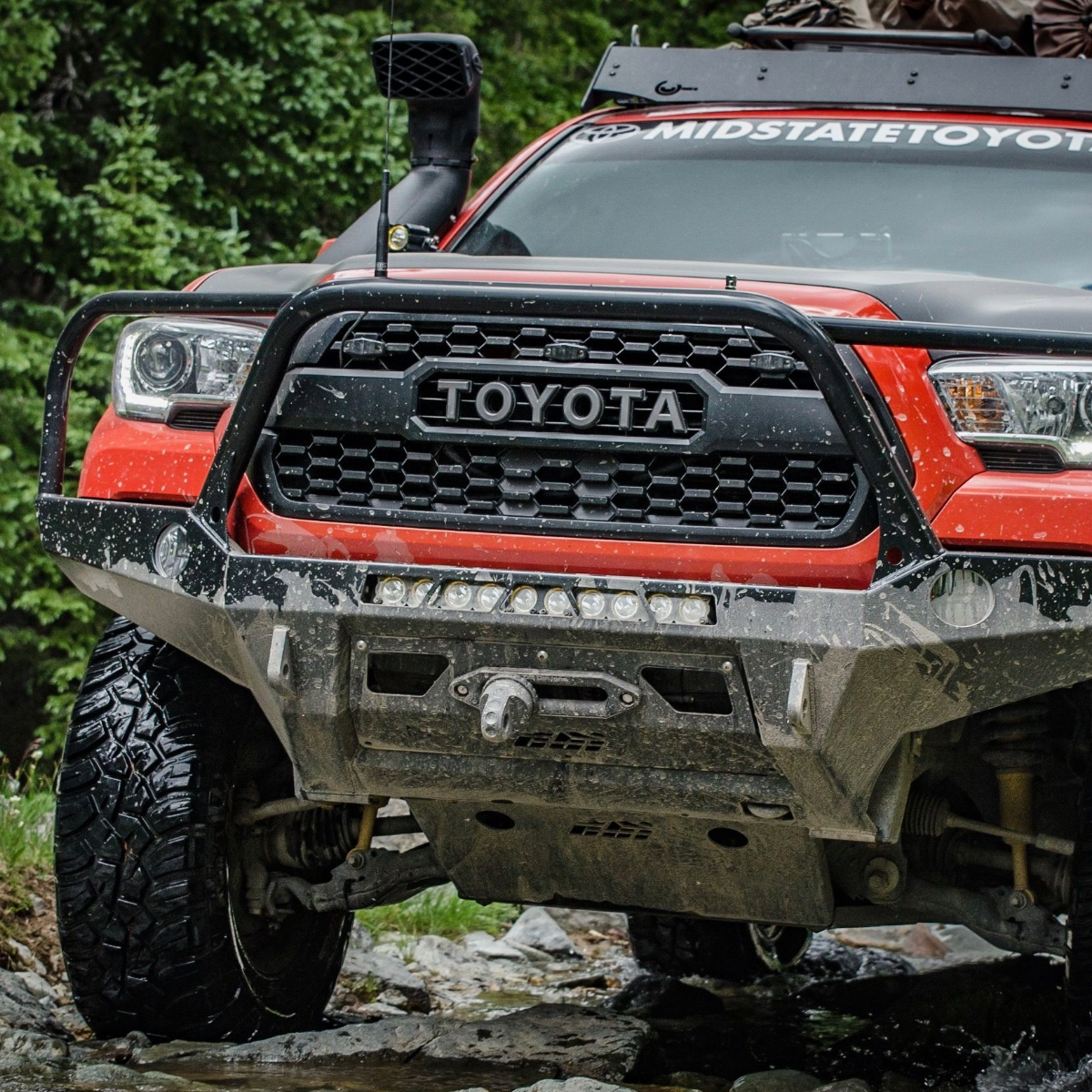
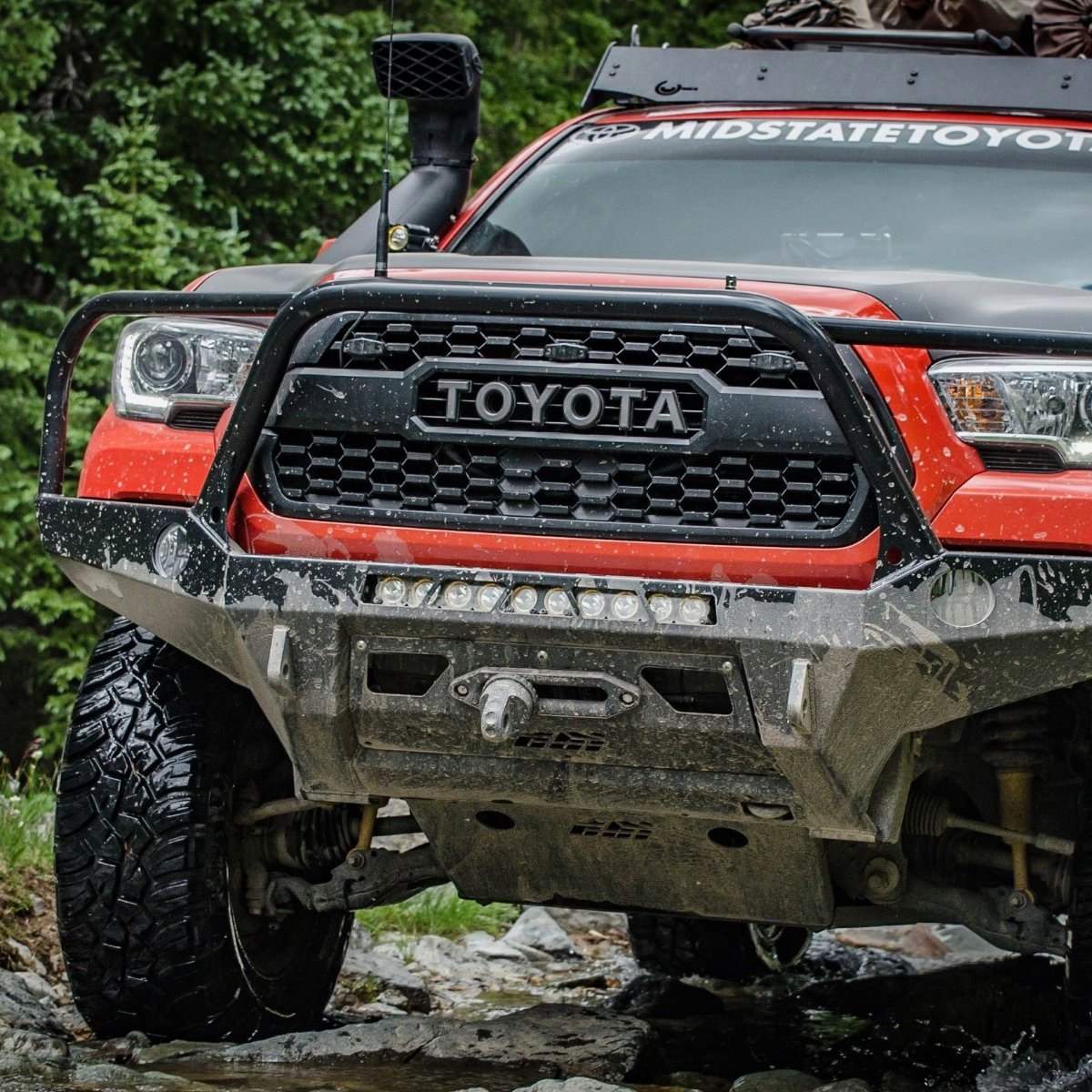
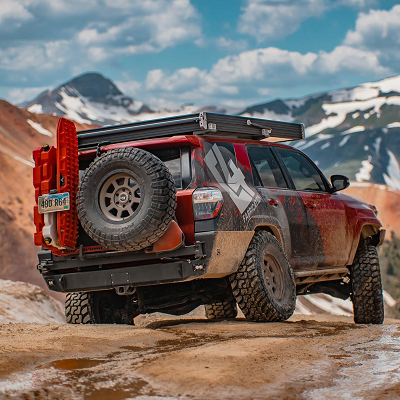




Do you have a Toyota Tundra that handles or handled like a boat in rough seas? We have had tons of customers asking us for advice with the exact same symptoms. Ignore the warning signs and in no time you'll just see blown shocks, tires with severe cupping, and what should have been a simple shock replacement will turn into a much more expensive job together with new tires and alignment work.
Shock absorbers degrade gradually over thousands of miles. You adapt to the progressively worse ride quality without realizing how compromised your truck has become. Understanding when Tundra shocks need replacement can save you money, prevent accidents, and keep your truck performing at its best or even better, upgrade it to a whole new level using aftermarket shocks.
Here's everything you need to know about shocks for your Toyota Tundra, everything from knowing when it needs replacing and what to get whether you want to get as close to stock or improve it drastically.
Your Toyota Tundra shock absorbers control how quickly the springs compress and rebound. Without functioning shocks, your springs oscillate freely, causing uncontrolled bouncing after every bump. This creates dangerous handling, accelerates component wear, and makes your truck miserable to drive.
Shocks perform several critical functions: they manage ride quality, maintain tire contact with the road, control load behavior when towing, and integrate with your truck's safety systems. When shocks fail, they compromise all these areas simultaneously.
Luckily for us there are common signs when your shocks need some TLC, unfortunately, these signs aren't as obvious or can be easily ignored if you're not aware, so here are some of the common signs:
Push down hard on your Toyota Tundra's bumper and release. The truck should bounce once, maybe twice, then settle into position. If it continues bouncing, your shocks are worn and need to be replaced. While driving, failed shocks create a disconnected, floaty feeling where the truck wallows through corners and feels loose over undulating roads.
Your Toyota Tundra should maintain a relatively level stance during normal driving. Worn front shocks allow excessive nose dive under braking, where the front end dips dramatically. Failed rear shocks create excessive squat during acceleration or when towing, reducing steering control and creating instability.
Worn shocks directly cause specific tire wear patterns. Cupping or scalloping creates high and low spots around the tire's circumference. This happens when shocks can't keep tires planted consistently. If you're replacing tires every 30,000-40,000 miles instead of the expected 50,000-60,000 miles, check your shocks before you buy another set.
This is the definitive sign of shock failure. Check all four shocks regularly by looking for oil streaks or wet spots. Some light surface moisture can be normal, but active leaking indicates immediate replacement. Once a shock loses significant fluid, it loses nearly all damping capability and will never recover.
Unusual noises over bumps often indicate shock mounting issues or internal damage. Metallic clunking usually means worn mounting bushings or loose bolts. Hollow rattling can signal internal damage. When shocks are completely worn, you'll hear harsh bottoming as the suspension hits the bump stops with uncontrolled impact.
Worn shocks increase body roll in corners and create instability when towing, particularly in crosswinds. Trailer sway, porpoising, and nose-high attitude all indicate the rear shocks can't control weight transfer. This is a safety issue demanding immediate attention.
Factory shocks on a Toyota Tundra generally last 50,000-80,000 miles under normal conditions. If you regularly drive off road trails, tow heavy loads, or carry significant cargo, expect 30-50% reduced shock life. Climate matters too, extreme temperatures, road salt, and moisture accelerate seal degradation.
My recommendation: inspect your Tundra shocks every 40,000 miles. Plan for replacement around 60,000-70,000 miles, or sooner if you notice any failure symptoms. Don't make the mistake of waiting for catastrophic failure. By the time shocks are obviously bad, they've often caused secondary damage to tires, bushings, and other suspension components.
OEM parts restore your Toyota Tundra to factory specifications. They're guaranteed to fit, maintain warranty compliance on newer trucks, and provide predictable performance. However, you're resetting the clock with the same compromised valving that wore out originally. Expect to pay $400-$800 for a complete set.
Quality aftermarket options provide opportunity to improve on Toyota's factory setup. Better materials, superior valving, and extended service life make the upgrade worth considering, especially if you tow, haul, or spend time off road.
The Bilstein 5100 represents excellent value for most Toyota Tundra owners. These monotube gas-pressure shocks use position-sensitive damping that automatically adjusts based on suspension position. You get comfortable damping for small bumps but increased control for larger impacts on trail or rough road conditions.
Bilstein's digressive valving provides excellent ride quality without harshness. Direct bolt-on installation typically takes 2-3 hours for the home mechanic. At $600-$900 for a complete set, many customers find these shocks lasting 100,000+ miles with proper maintenance. If you daily drive your truck and want significantly better ride quality than stock, this is the set to buy.

For drivers seeking value without compromising quality, Dirt King offers impressive performance. Their 2.0 IFP Smooth Body Shocks for 2022+ models use internal floating piston technology that prevents shock fade during extended use. The smooth body design increases cooling capacity compared to factory shocks.
To match it up at the front, Dirt King's 2.0 IFP Coilovers do the job quite nicely. The coilover's design allows ride height adjustment, making them ideal for trucks running a 0-3 lift or mild leveling spacer setup. These work particularly well for mixed-use applications where you need comfort on your daily drive but capability on weekend adventures.

Shop Dirt King 2.0 IFP Coilovers
Fox Racing brings decades of off road racing expertise to their truck shock lineup. The Fox 2.0 Performance Series offers excellent all-around capability for mixed conditions. For more demanding applications, Fox 2.5 reservoir shocks step up oil capacity and heat dissipation. The larger diameter makes these shocks more resistant to fade during extended trail sessions or repeated towing cycles.
Fox shocks excel in off road scenarios where sustained high-speed running or repeated impacts would overwhelm lesser components. The performance improvement over stock is immediately noticeable, addressing body roll and improving overall control.

ICON specializes in complete suspension systems with vehicle-specific valving developed through extensive testing on actual Toyota Tundra trucks. Their CDC valving provides excellent ride quality on pavement while maintaining control on trails. ICON offers strong technical support if you have questions about optimizing your setup for specific applications.

For ultimate performance, King reservoir shocks represent the pinnacle of technology available for Toyota Tundra applications. Their 2.5 Remote Reservoir Coilovers for 2022+ models use race-proven technology that provides unmatched performance across all conditions.
The remote reservoir design separates the shock oil from the nitrogen charge, increasing total oil capacity and improving heat dissipation. This prevents shock fade during extended use and maintains consistent damping even under severe conditions. King's precision manufacturing ensures tight tolerances and long service life.
For a complete system, add the 2.5 Remote Reservoir Rear Shocks for matched damping. The complete King setup delivers exceptional control whether you're crawling technical trails, running high-speed desert sections, or handling your daily drive. If you're building a serious rig with a 0-3 lift or more ground clearance, King shocks provide the performance to match.

Shop King 2.5 Remote Reservoir Coilovers
Shop King 2.5 Remote Reservoir Rear Shocks
Basic shock replacement requires basic hand tools and a floor jack. Most DIY-capable owners can install new shocks in 3-4 hours. The process involves supporting the vehicle safely, removing old components, installing new units, and torquing all bolts to specification.
Critical considerations: always use jack stands for safety, torque mounting hardware to spec, and check alignment after installation. While shock replacement shouldn't affect alignment, it's worth verifying everything is properly set.
Coilover systems involve more complexity since you're replacing both shock and spring. Unless you're experienced with suspension work and have proper spring compressor tools, plan for professional installation. Budget $300-$600 for professional work, depending on system complexity. For reservoir shock setups or coilover systems, professional installation often makes sense even for capable DIY enthusiasts.
Maximize your investment with these maintenance practices:
Regular Inspections: Check shocks every 10,000 miles. Look for leaks, damage, or mounting issues. Catching problems early prevents expensive repairs.
Keep Them Clean: Road salt and mud accelerate seal degradation. Clean shock bodies periodically with mild soap and water. While you're at it, check engine air filters and cabin filters as part of comprehensive maintenance.
Address Issues Immediately: Once a shock starts leaking, replace it promptly. Don't wait until the issue becomes a safety concern or causes an accident.
Replace in Pairs: Always replace shocks in pairs (both fronts or both rears) even if only one has obviously failed. Mismatched damping creates handling imbalances.
Match to Your Use: If you've added significant weight (bumpers, armor, roof racks) or changed how you use your truck (more off road time, frequent towing), your shocks work harder than designed. Plan for more frequent replacement intervals and consider upgrading to components that match your actual use.
Your Toyota Tundra shocks are critical safety components affecting ride quality, handling, braking, and tire wear. The gradual nature of shock degradation makes failure symptoms easy to overlook, but ignoring warning signs leads to expensive secondary damage and dangerous driving conditions.
Watch for excessive bouncing, nose dive or rear squat, uneven tire wear, fluid leaks, unusual noises, and reduced stability. These symptoms indicate immediate attention needed. Plan for shock replacement every 50,000-80,000 miles under normal conditions, sooner if you spend time off road or in severe conditions.
When replacement time comes, you have options. OEM parts restore factory specs, but quality aftermarket shocks from Bilstein, Dirt King, Fox, ICON, or King provide noticeable improvements in ride quality, control, and longevity. For most drivers who actually use their truck's capabilities, the aftermarket upgrade is worth every bit of the investment.
Whether you're looking for basic improvement with Bilstein 5100 struts, mid-level performance from Dirt King, or ultimate capability from King reservoir shocks, the right choice depends on your specific model year, use case, and budget. Don't wait for complete failure. Proactive replacement on your schedule prevents secondary damage, maintains safety, and ensures your truck performs at its best.
Ready to upgrade your Toyota Tundra shocks? Add quality components to your cart and contact our team at Truck Brigade for personalized recommendations. We've been outfitting adventure vehicles for over a decade, and we're here to help you find the perfect shock setup for your needs. Check our site for current products and take advantage of our Affirm payment options on qualifying orders.
Comments will be approved before showing up.