Your Cart is Empty







I've been building and testing Toyota Tundra accessories and setups for over 12 years, and one upgrade that consistently transforms both daily driving comfort and trail capability is quality lower control arms. Whether you're commuting to work during the week or hitting challenging terrain on weekends, upgrading your tundra lower control arm setup is one of the most impactful modifications you can make for your suspension system.
Your Toyota Tundra is already capable from the factory, but when you start pushing the limits with larger tires, lift kits, or aggressive trail driving, the stock components quickly become the weak link. Today, I'll walk you through why upgrading these suspension components matters, what features to look for, and which products we recommend based on real-world testing and customer feedback.
Lower control arms form the lower connection point between your wheel assembly and the vehicle's frame. They work in conjunction with the upper control arm to control the vertical movement of your wheels while maintaining proper steering geometry and alignment.
Think of these components as the foundation of your front suspension system. They carry the weight of your vehicle, absorb impacts from the road, and allow your wheels to move up and down while keeping them properly positioned. When you hit a bump or dip, these components pivot to allow suspension travel while maintaining tire contact with the ground.
Stock components are designed for factory specifications and standard use cases. They work adequately for daily driving with stock suspension and tire sizes, but they quickly show their limitations when you start making modifications or demanding more from your Tundra.
Upgrading to aftermarket options means investing in stronger materials, improved geometry, and enhanced features that can handle increased demands. Whether you're looking to improve ride quality for daily commuting or enhance capability for weekend trail adventures, quality components provide the foundation your modified Tundra needs to perform at its best.
The benefits extend beyond just strength and durability. Aftermarket options often provide improved clearance for larger tires, better bushing materials for reduced noise and vibration, and enhanced serviceability features that make long-term maintenance more manageable.
Control arms aren't all built the same; there are actually a ton of different types that serve different purposes. For off-roading and overlanding here are the key features to look for:
The material and construction quality of these components directly impact their durability, weight, and performance characteristics. Most aftermarket options use either heavy-duty steel or aluminum construction, each offering distinct advantages.
Steel construction provides maximum strength and durability, making it ideal for heavy-duty applications and aggressive trail use. Steel can handle significant impacts and stress without deformation, though it does add weight to your suspension system.
Aluminum construction offers an excellent balance of strength and weight savings. Quality aluminum components use aircraft-grade materials and advanced manufacturing techniques to provide durability while reducing unsprung weight, which improves suspension response and ride quality.
The welding quality and design of the component itself are equally important. Look for options with clean, consistent welds and thoughtful design that distributes stress effectively. Reinforcement in high-stress areas and proper material thickness ensure they can handle the demands you'll place on them.
One of the primary reasons to upgrade is to gain clearance for larger tire sizes. Stock components often limit your tire choices due to interference during suspension compression or steering lock.
Aftermarket options are designed with clearance in mind, featuring modified geometry and strategic material placement that allows for larger tires without rubbing issues. This clearance improvement opens up options for more aggressive tire setups that enhance both appearance and capability.
The improved clearance isn't just about tire size, it also means better suspension travel and articulation. When your components don't interfere with other suspension parts, your entire system can work more effectively, providing better ride quality and trail performance.
The pivot design significantly affects their performance, maintenance requirements, and longevity. Understanding the differences between ball joint and uniball designs helps you choose the right option for your needs.
Ball joint designs use traditional automotive ball joints that are readily serviceable and familiar to most mechanics. These joints provide smooth operation, good sealing against contamination, and reasonable longevity under normal conditions. Ball joints are also typically less expensive to replace and more widely available.
Uniball designs use spherical bearings that offer superior strength and articulation compared to traditional ball joints. Uniballs can handle higher loads and provide better suspension travel, making them ideal for aggressive trail use. However, they require more frequent maintenance and are generally more expensive to service.
Consider your usage patterns when choosing between these designs. Daily drivers and moderate trail users often find ball joint designs perfectly adequate, while serious enthusiasts may benefit from the enhanced capability of uniball systems.
Long-term maintenance requirements should factor into your decision when selecting components. Quality aftermarket options often include features that make maintenance easier and more cost-effective over time.
Greaseable bushings are a valuable feature that allows you to maintain proper lubrication and extend component life. The ability to add fresh grease periodically keeps bushings operating smoothly and prevents premature wear that leads to noise and handling issues.
Rebuild kits and serviceable components mean you can maintain your investment rather than replacing entire units when wear occurs. Look for manufacturers that offer comprehensive rebuild kits and readily available replacement parts.
Some manufacturers design their products with replaceable bushings and joints, allowing you to service individual components as needed. This modular approach means lower long-term ownership costs and the ability to upgrade individual components over time.
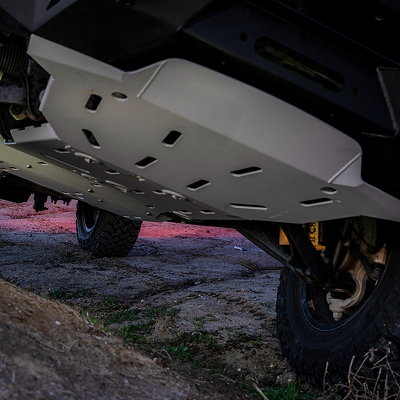
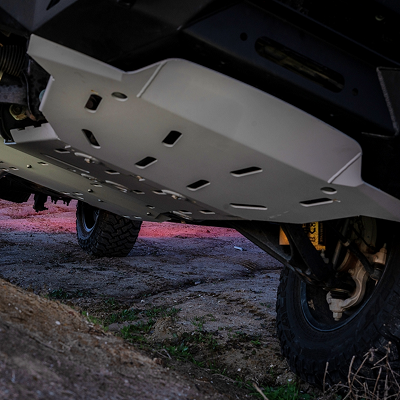
Dirt King Performance Lower Control Arms represent our top choice for serious trail enthusiasts who demand maximum strength and performance. Designed specifically for 2007-2021 Toyota Tundra models, these components feature internally ribbed construction and an integrated skid plate to deflect trail hazards while maintaining crucial component integrity.
The innovative design incorporates FK 1" stainless steel uniballs for the outer pivots, providing superior strength and articulation compared to traditional ball joints. Delrin bushings handle the inner pivots, chosen specifically for their durability advantages over rubber, polyurethane, or uniball alternatives that suffer from articulation restrictions, maintenance demands, or premature wear issues.
Additional tabbing accommodates bump stops, limit straps, and bypass shocks while maintaining compatibility with factory sway bars and OEM-compatible coilovers. The progressive steering stops prevent CV joint and tie rod over-articulation while maximizing steering capability. These support up to 35" tires with 4.75" minimum backspacing on 17" wheels.
Installation is straightforward with the preassembled design requiring only basic hand tools and no drilling or cutting. The durable black powder coat finish and replaceable wear components ensure long-term reliability, while the Made in USA construction reflects the quality engineering that makes these components trail-proven performers.
Shop Dirt King Tundra Lower Control Arms

Total Chaos brings race-proven technology to street and trail applications. Known for their innovative designs and bulletproof construction, Total Chaos has earned a reputation for building suspension components that can handle extreme conditions while maintaining daily drivability.
Their control arms feature advanced geometry that improves suspension travel and handling characteristics compared to stock designs. The materials and construction techniques used reflect decades of experience in desert racing and competition.
Total Chaos offers both ball joint and uniball configurations, allowing you to choose the design that best fits your intended use and maintenance preferences. Their ball joint options provide excellent daily drivability, while uniball versions deliver maximum performance for serious trail applications.
The company's attention to detail extends to features like greaseable bushings and serviceable components that make long-term ownership more affordable. Total Chaos also provides excellent technical support and documentation to help with installation and maintenance.

Freedom Off-Road provides an excellent balance of performance, quality, and value for Tundra owners who want significant improvements without breaking the bank. These are designed for enthusiasts who split time between daily driving and weekend adventures.
The construction quality focuses on the features that matter most for dual-purpose use: strength, clearance, and reliability. Freedom Off-Road uses quality materials and manufacturing processes while keeping costs reasonable through efficient design and production methods.
These provide the clearance improvements needed for popular tire sizes while maintaining the ride quality and handling characteristics that make daily driving enjoyable. The geometry improvements also work well with common lift kit combinations.
Installation is designed to be straightforward, and it includes quality hardware and detailed instructions.

Choosing the right option depends on your specific needs, budget, and intended use patterns. Consider these factors when making your decision:
For daily drivers who occasionally venture off road, ball joint designs offer the best balance of performance, maintenance requirements, and cost. The improved clearance and construction quality provide meaningful benefits without the maintenance demands of more aggressive designs.
Serious trail enthusiasts who regularly tackle challenging terrain should consider uniball designs for maximum strength and articulation. The enhanced capability justifies the increased maintenance requirements and higher initial cost.
Budget-conscious buyers can still find significant improvements with quality ball joint options that offer better materials and geometry than stock components. The key is choosing reputable manufacturers who don't compromise on essential features to hit lower price points.
Consider your mechanical abilities and access to service when evaluating options. Some designs require specialized tools or knowledge for maintenance, while others can be serviced with standard automotive tools and procedures.
Proper installation is crucial for getting the full benefits of aftermarket components while ensuring safety and reliability. While experienced DIY mechanics can handle this work, professional installation is often the safest choice.
The installation process involves supporting the vehicle safely, removing wheels and suspension parts, and carefully disconnecting the old components. Proper torque specifications and procedures are critical for safe operation, and any mistakes can have serious safety implications.
Professional installation also means access to proper alignment equipment immediately after installation. This replacement significantly affects wheel alignment, and driving without proper alignment can damage tires and create handling issues.
If you choose to install them yourself, invest in quality tools and follow manufacturer instructions precisely. A good service manual specific to your Tundra model year provides essential torque specifications and procedures.
Plan for professional alignment immediately after installation. Even if you install correctly, the alignment settings will need adjustment to optimize handling and tire wear. Most shops can complete the alignment the same day if you schedule accordingly.
Upgrading your Toyota Tundra's suspension provides improvements that enhance both daily driving comfort and trail capability. Whether you choose robust steel construction for maximum durability or lightweight aluminum for improved response, quality aftermarket options provide the foundation your modified Tundra needs to perform at its best.
The investment in premium components pays dividends in improved handling, reduced maintenance costs, and enhanced capability. Brands like Dirt King, Total Chaos, and Freedom Off-Road have proven their durability and performance through years of real-world testing by enthusiasts who demand the best from their trucks.
For most Tundra owners, upgrading should be considered essential when installing lift kits, larger tires, or planning serious trail use. The improved geometry, strength, and features make these components foundational to any serious build.
Choose based on your specific needs and usage patterns, but don't compromise on quality when it comes to these critical suspension components. Your safety and your truck's performance depend on these working properly under all conditions.
That's it for now, but hey, if you need help with a build or sticking to a certain budget for your truck, please feel free to contact us anytime here at Truck Brigade. Our experts are always ready to help you out with your truck-related needs.
The lower components are positioned at the bottom of your suspension system and carry most of the vehicle's weight, while upper components are mounted higher and primarily control alignment geometry. Lower components experience higher loads and stress, making their strength and durability especially important for modified vehicles.
Common signs include clunking or squeaking noises over bumps, uneven tire wear, vehicle pulling to one side, and visible wear on bushings or ball joints. If you're installing a lift kit or larger tires, upgrading is often necessary regardless of current condition to prevent premature wear and handling issues.
While it's possible to replace a single component, it's generally recommended to replace both sides simultaneously to maintain balanced handling and avoid uneven wear patterns. Replacing both also ensures consistent performance and eliminates the need for additional alignment work later.
Most aftermarket options include new ball joints or uniball assemblies, but it's important to verify what's included with your specific product. Some manufacturers offer them without joints to allow customers to choose their preferred pivot design or reuse existing components if they're in good condition.
Quality aftermarket options typically last significantly longer than stock components, especially in modified applications. With proper maintenance, premium options can provide 100,000+ miles of service, though bushings and pivot components may require periodic service depending on usage and environmental conditions.
Quality aftermarket options generally improve ride quality through better materials, reduced noise and vibration, and improved suspension geometry. However, some race-oriented designs with stiffer bushings may result in a slightly firmer ride compared to stock components.
Comments will be approved before showing up.