Your Cart is Empty


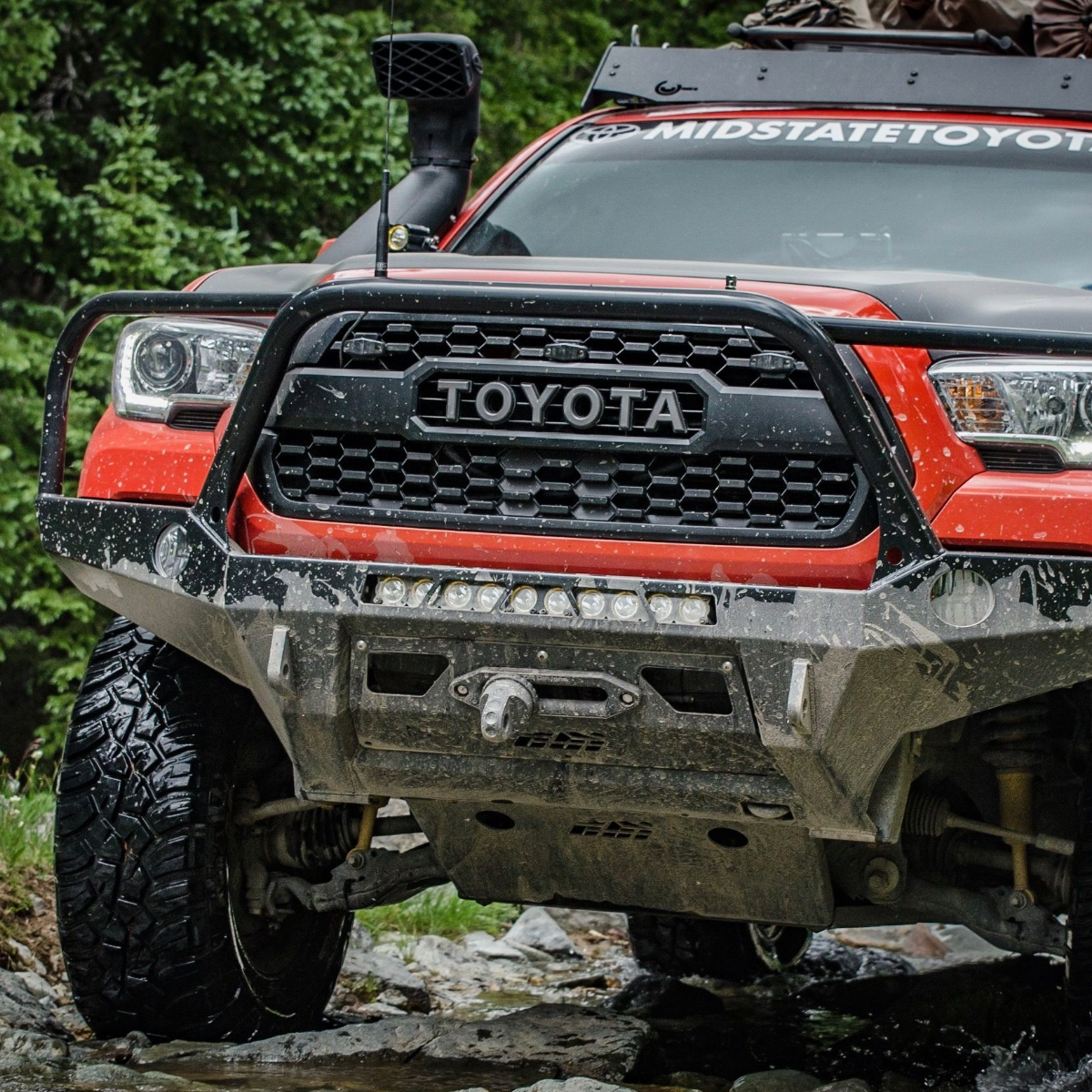
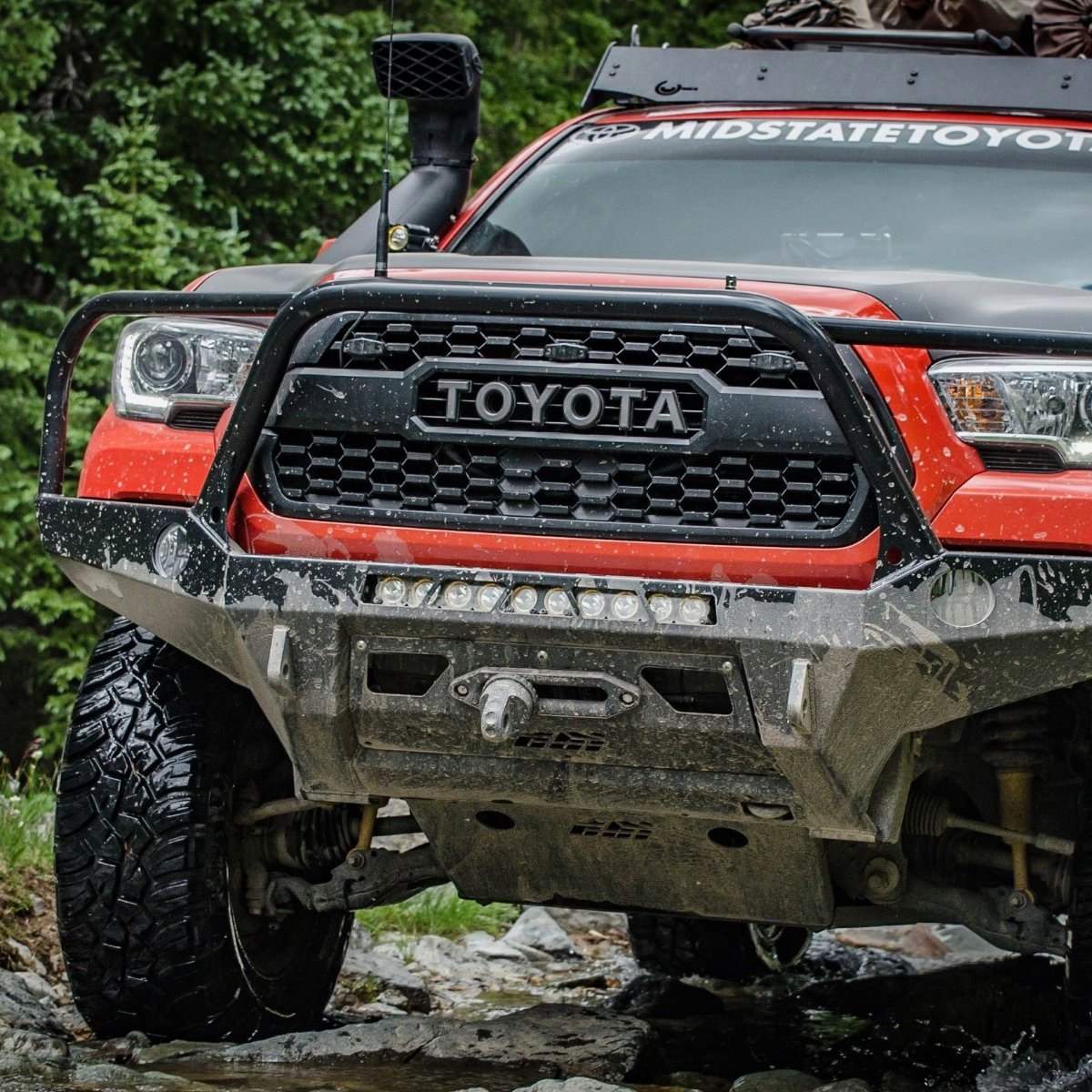
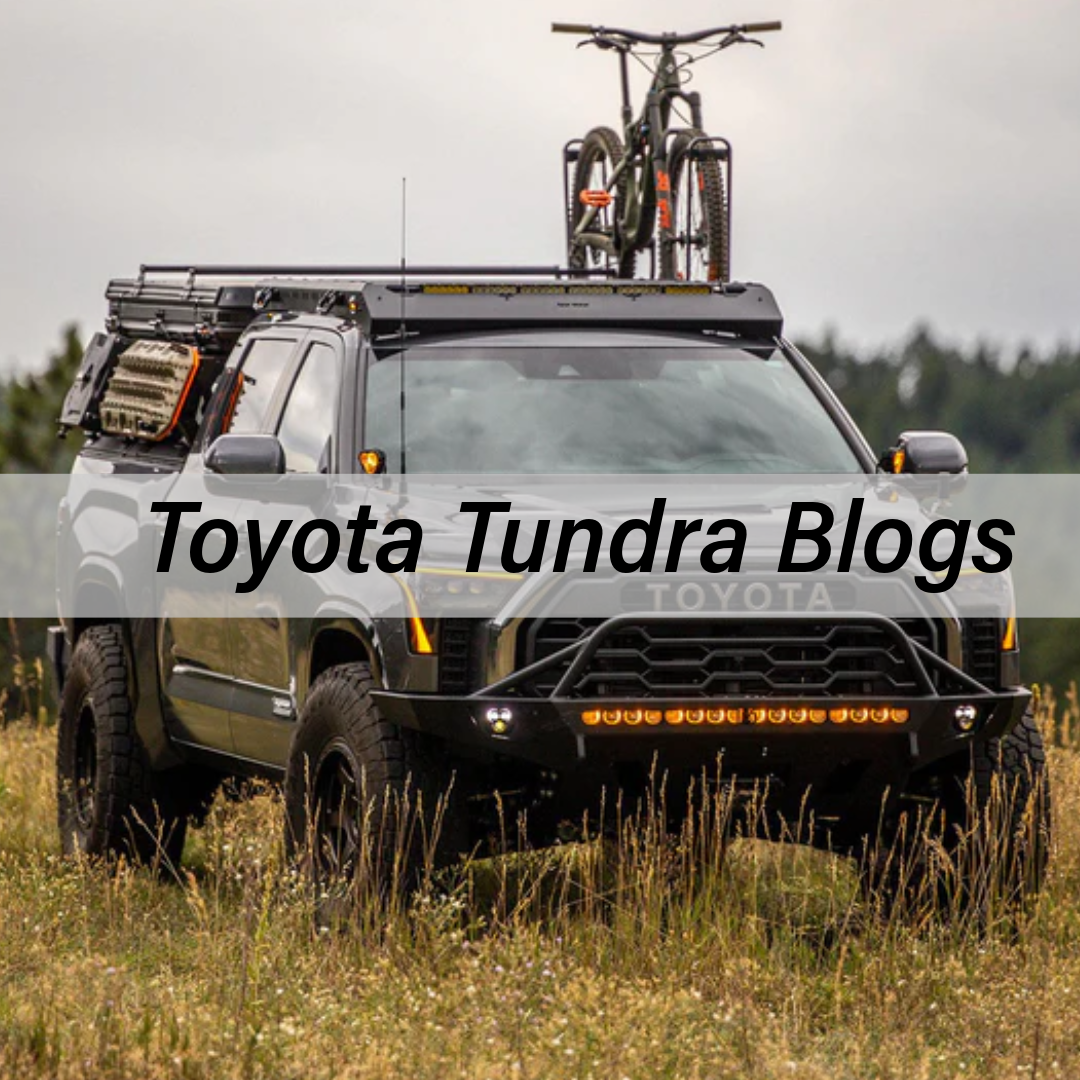




After building Tundras and other trucks for over a decade, I can tell you that choosing the right front bumper is one of the most impactful Tundra accessories. It's aesthetic, it's functional, and it protects your car way better than stock.
Some people might like the stock look more, but I've seen so many Tundras getting back from trail runs with cracked plastic, misaligned bumpers, and damaged radiators, all damage that could've been prevented with a proper aftermarket bumper.
Whether you're planning weekend overlanding adventures or serious rock crawling, the bumper you choose needs to match your mission, let me walk you through everything you need to know to make the right choice for your build.
Before you start browsing products or comparing prices, you need to honestly assess how you'll use your Tundra. This isn't about what you might do someday, it's about what you'll actually do with your truck.
Daily driver with occasional off-road use: You want something that maintains approach angles without being overkill. Look for hybrid designs that blend protection with reasonable weight and cost.
Serious overlanding rig: You need winch capability, multiple recovery points, and integration for auxiliary lighting. Durability matters more than weight savings here.
Rock crawling beast: Maximum protection is key. Steel construction, full skid plate integration, and extreme approach angles take priority over everything else.
Work truck that sees abuse: Focus on durability and practical features like tow points and easy repair. Fancy finishes aren't worth it if you're constantly banging into things.
Right now, there's just two common material options, steel and aluminum. Let's see what the tradeoffs are.
Steel is the gold standard for serious off-road protection. It offers unmatched durability when you're cutting through brush, bouncing off rocks, or dealing with the kind of abuse that destroys lesser materials. Steel bumpers typically use steel plates with DOM or HREW tubing in various thicknesses, with heavier construction bringing better protection.
The downside is weight; steel bumpers can add 100-200 pounds to your front end, which affects handling, braking, and suspension wear. You'll also need to factor in potential cutting and trimming of stock components during installation, though most quality steel bumpers are designed to minimize this.
Aluminum bumpers offer a compelling compromise between protection and weight. Modern aluminum construction techniques create bumpers that are surprisingly strong while keeping weight reasonable. They're particularly popular with overlanders who need protection but don't want to sacrifice fuel economy or handling.
The trade-off is cost – aluminum bumpers typically run hundreds if not thousands, more than comparable steel options. They also require more careful installation since aluminum doesn't tolerate the same installation abuse as steel.
There are also hybrid bumpers which use both aluminum and steel to get the best of both worlds; the rigidity of steel and aluminum's lighter weight.
Even if you don't currently own a winch, choosing a winch-ready bumper is smart planning. Winches are incredibly useful for self-recovery, helping others, and even moving obstacles on the trail. Most quality bumpers are designed with winch integration in mind, but the implementation varies significantly.
Look for bumpers that accommodate standard winch mounting patterns and provide adequate cooling airflow. Some designs require specific winch brands or sizes, so check compatibility before you order. Factor in the additional weight – a winch adds another 80-100 pounds to your front end.
Modern LED technology makes auxiliary lighting incredibly effective, but your bumper needs to accommodate it properly. Look for integrated mounting points for light bars, cube lights, or spot lights. Some bumpers include light mounts as standard equipment, while others offer them as add-on options.

Consider your actual lighting needs rather than just mounting every light you can fit. Too much auxiliary lighting can create harsh shadows and actually reduce visibility in certain conditions. Plan your lighting setup and choose a bumper that supports it without looking cluttered.
Quality front bumpers should include proper recovery points rated for your vehicle's weight. These aren't the same as tow points; recovery points need to handle much higher loads in multiple directions. Look for bumpers with integrated recovery points rather than bolt-on accessories.
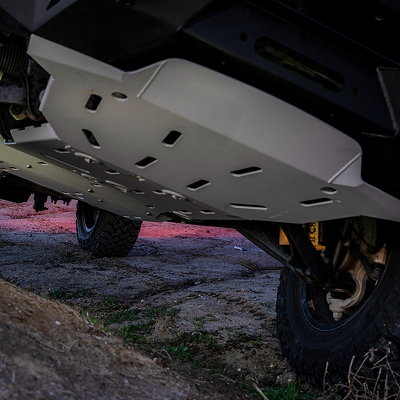
Skid plate integration is crucial for complete front-end protection. Your bumper should work seamlessly with quality skid plates to create an armor system that protects everything from your radiator to your oil pan. Some manufacturers offer complete packages that ensure a perfect fit between components.
Adding significant weight to your front end affects more than just fuel economy. Heavy bumpers can cause premature suspension wear, affect handling balance, and even impact airbag deployment in newer vehicles. Most Tundras can handle 150-200 pounds of additional front weight without major issues, but anything beyond that deserves suspension consideration.
If you're planning a heavy steel bumper, factor in potential suspension upgrades. This might mean stiffer front springs or a complete suspension system designed to handle the additional weight while maintaining proper geometry.
Your bumper's appearance matters, especially if your Tundra pulls daily duty. Most manufacturers offer multiple finish options:
Powder coat: Professional appearance with good durability. Available in various colors but adds cost and lead time.
Bare steel: Raw appearance that some prefer. Requires regular maintenance to prevent rust, but easy to touch up.
Textured finishes: Finishes like bed liner hide scratches and wear better than smooth finishes. Popular for work trucks and serious off-road rigs.
Consider how much effort you want to put into maintenance. Fancy finishes look great initially but require more care to maintain their appearance.
Quality front bumpers range from around $1,200 for basic steel designs up to $3,500+ for premium aluminum or full-featured steel options. Don't forget additional costs:
Many retailers offer discounts for complete packages, so consider bundling your bumper with a winch, lights, and installation to save money.
Ready to lock in and get a bumper? Well, here are the top brands that I'd recommend any day of the week:
C4 brings their no-compromise approach to front bumper design with options built for serious use. Their Hybrid and Overland Series bumpers offer different feature sets while maintaining C4's reputation for bombproof construction.
The C4 Hybrid design is all about giving you protection while also keeping the weight down, making it versatile for various applications. The Overland Series focuses more on protection by also including and integrating a front skid plate, the downside is its heavier weight due to its heavier construction. Both have integrated recovery points and light mounting.
Shop C4 Fabrication Hybrid Front Bumper
Shop C4 Fabrication Overland Series Front Bumper

CBI offers the widest range of front bumper options, with three distinct series targeting different users. The Covert Series is a low-profile bumper suitable for daily drivers/workhorses, while the Baja design focuses on high-speed desert running and is also suitable for most off-road adventures. The Adventure Series strikes a balance for overlanding applications with a full coverage bull bar offering complete protection.
All CBI bumpers feature their proven construction techniques and USA manufacturing. The multiple series approach means you can find a CBI bumper that matches your specific requirements without paying for features you don't need.
CBI's customer support and proven durability make it a safe choice for first-time bumper buyers. Their designs typically require minimal vehicle modification and include comprehensive installation instructions.
Shop CBI Offroad Covert Series Front Bumper
Shop CBI Offroad Baja Front Bumper
Shop CBI Offroad Adventure Series Front Bumper

Backwoods takes a focused approach with their Scout design, emphasizing practical features over unnecessary complexity. Their bumpers prioritize functionality while maintaining reasonable pricing, making them attractive for budget-conscious builders who still want quality protection.
The Scout bumper incorporates the essential features most Tundra owners actually need – winch capability, recovery points, and auxiliary light mounting – without the premium pricing of more elaborate designs. Build quality remains high despite the competitive pricing.
This straightforward approach appeals to customers who want proven protection without paying for features they'll never use. Backwoods has built a solid reputation for delivering value without sacrificing durability.
Shop Backwoods Adventure Mods Scout Front Bumper

Expedition One's Ultra design showcases robust steel construction for serious off-road use. Built with an inner shell that uses 3/16″ & 1/4″ steel, and an outer shell using 3/16″ steel for superior strength and durability.
The Ultra bumper works with integrated winches rated up to 12,500 pounds and retains compatibility with stock fog lights and front sensors. Multiple winch access points provide easy operation while improving engine airflow.
At 150-180 pounds, depending on configuration, these are serious pieces of kit designed for maximum protection. The integrated aluminum tread plate steps assist vehicle entry while maximizing ground clearance. Expedition One's USA manufacturing and attention to detail make these bumpers worth considering for demanding applications where strength trumps weight savings.
Shop Expedition One Ultra Front Bumper

Most quality front bumpers are designed for DIY installation, but don't underestimate the complexity. You'll typically need basic hand tools, a couple of hours of time, and potentially some cutting or drilling of stock components.
The installation process usually involves removing the stock bumper, installing new mounting brackets, and bolting on the new bumper. Sounds easy, but you have to remember these can get heavy, especially the steel ones, so consider calling in a buddy or two to help you out.
Some designs also require trimming of plastic components or relocation of sensors and wiring.
If you're not comfortable with any part of the installation, I recommend taking it to a shop to get it installed by pros.
Choosing the right Tundra front bumper comes down to matching the product to your actual needs. Don't get caught up in the latest features or highest-end materials if they don't serve your specific use case.
For serious off-roaders, steel construction and maximum protection take priority over weight or cost. Overlanders benefit from winch capability and light integration while maintaining reasonable weight. Daily drivers want protection and style without the compromises that come with heavy-duty designs.
Take the time to research your options, read reviews from actual users, and choose a reputable manufacturer with proven customer support. A quality front bumper is an investment that should serve you well for years, so it's worth getting it right the first time.
Whether you choose steel or aluminum, basic or full-featured, the right Tundra front bumper will give you confidence to tackle whatever adventures lie ahead. Just make sure it matches your mission rather than someone else's dreams.
Will an aftermarket front bumper affect my Tundra's warranty?
Most aftermarket bumpers don't void your warranty since they're bolt-on modifications. However, any damage related to the bumper or its installation might not be covered. If you're concerned, discuss with your dealer before installation and keep documentation of professional installation if applicable.
Do I need to modify my vehicle for bumper installation?
Most quality bumpers are designed to use stock mounting points with minimal modification. You may need to trim some plastic components or relocate sensors, but extensive cutting or drilling shouldn't be required. Always check installation requirements before ordering.
How much does a Tundra front bumper typically weigh?
Steel bumpers typically weigh 100-200 pounds, while aluminum options range from 60-120 pounds. Add another 80-100 pounds if you're installing a winch. This additional weight can affect handling and may require suspension considerations.
Can I install a front bumper myself?
Most aftermarket bumpers are designed for DIY installation with basic tools. The process typically takes 2-4 hours and involves removing the stock bumper and bolting on the new one. However, some designs require sensor relocation or wiring work that might be better left to professionals.
Are aftermarket bumpers street legal?
Quality aftermarket bumpers are generally street legal, but check your local and state regulations. Some areas have specific requirements for bumper height, protrusion limits, or lighting integration. Most reputable manufacturers design their products to meet common legal requirements.
Comments will be approved before showing up.