Your Cart is Empty






A snorkel is often an overlooked Tundra accessory that shouldn't be. I’ve seen too many Toyota Tundra owners who realized that their stock air intake isn’t designed for serious off-road adventures after going through dust clouds and crossing through water only to see their air filter get messed up, or worse, a busted engine.
That’s why understanding the difference between stock air intake systems and aftermarket snorkels is crucial for anyone who takes their Tundra beyond paved roads.
Your Tundra’s air intake system is literally the lungs of your engine; it determines what your motor breathes and how well it performs in different conditions. While Toyota engineered the stock system for reliability and efficiency in normal driving conditions, they didn’t design it for extreme off-road use where water, dust, and debris pose constant threats to engine health.
That's where snorkels come in, all it does is it essentially relocates the engine's air intake point into a higher spot so you significantly reduce the chances of foreign elements getting into your engine.
Let’s break down exactly what each system offers and when each makes the most sense.
Your Toyota Tundra’s stock air intake system draws air from behind the front grille area, typically positioned low in the engine bay for optimal airflow during normal driving. This system includes an air filter housing (also known as the airbox), intake tubing, and mass airflow sensor that work together to deliver clean, measured air to your engine.
The stock design prioritizes efficiency, cost-effectiveness, and meeting emissions standards for everyday driving conditions. Toyota positioned the air intake low to take advantage of the cooler, denser air near the ground, which improves engine performance and fuel economy during normal operation.
This system works perfectly well for the majority of Tundra owners who use their trucks for daily commuting, highway driving, and light recreational activities. The air filter, sealed by a lid within the airbox, captures normal road dust and debris, while the intake positioning provides adequate protection from typical weather conditions.
The stock intake has several advantages, it's cost effective, just in case you need to maintain, fix, or replace anything. With that said, it's also very easy to find replacement parts since Toyota is literally everywhere. The only big limitation of the stock air intake is it's susceptibility of intaking water when you cross water that's deep enough. That's where a snorkel should come in.
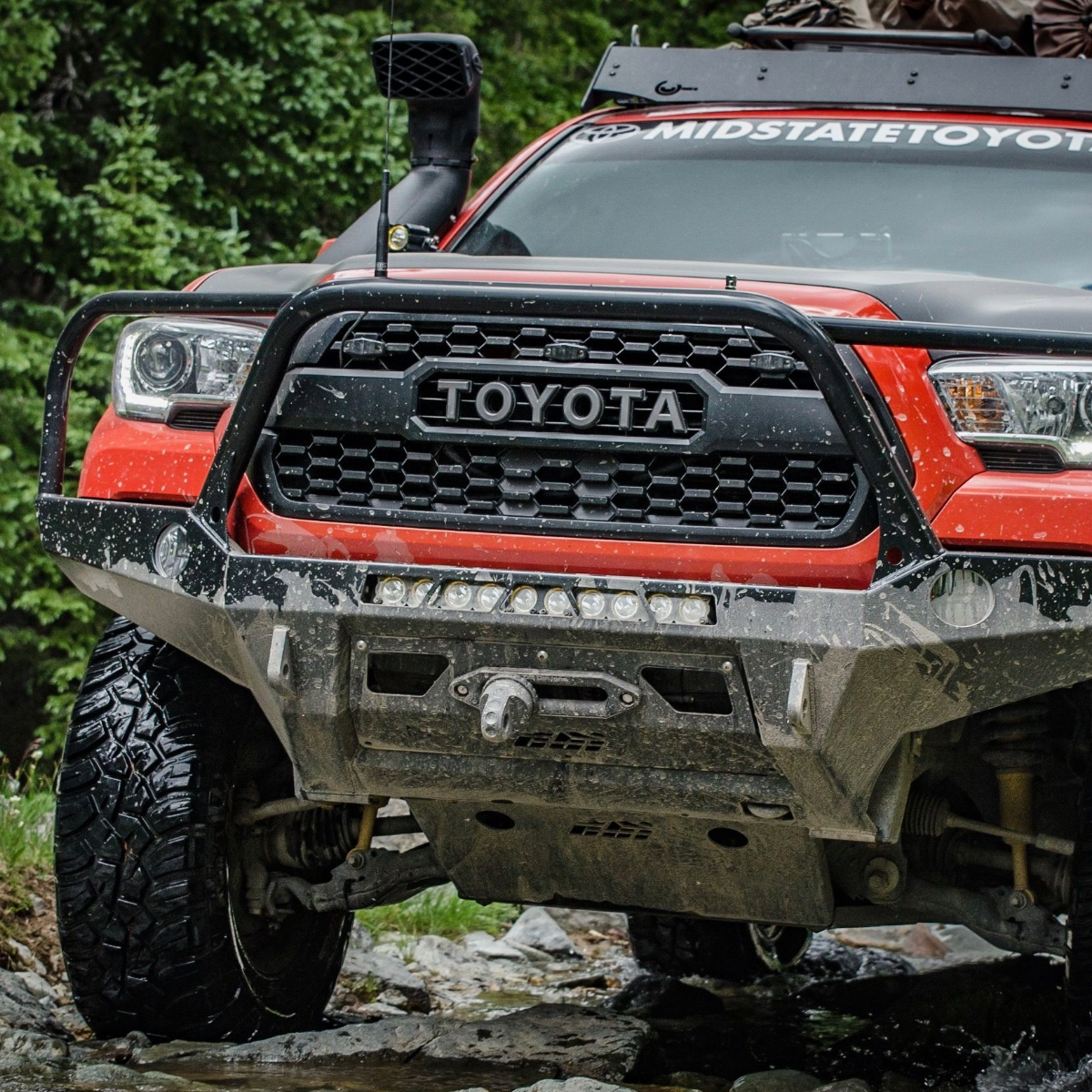
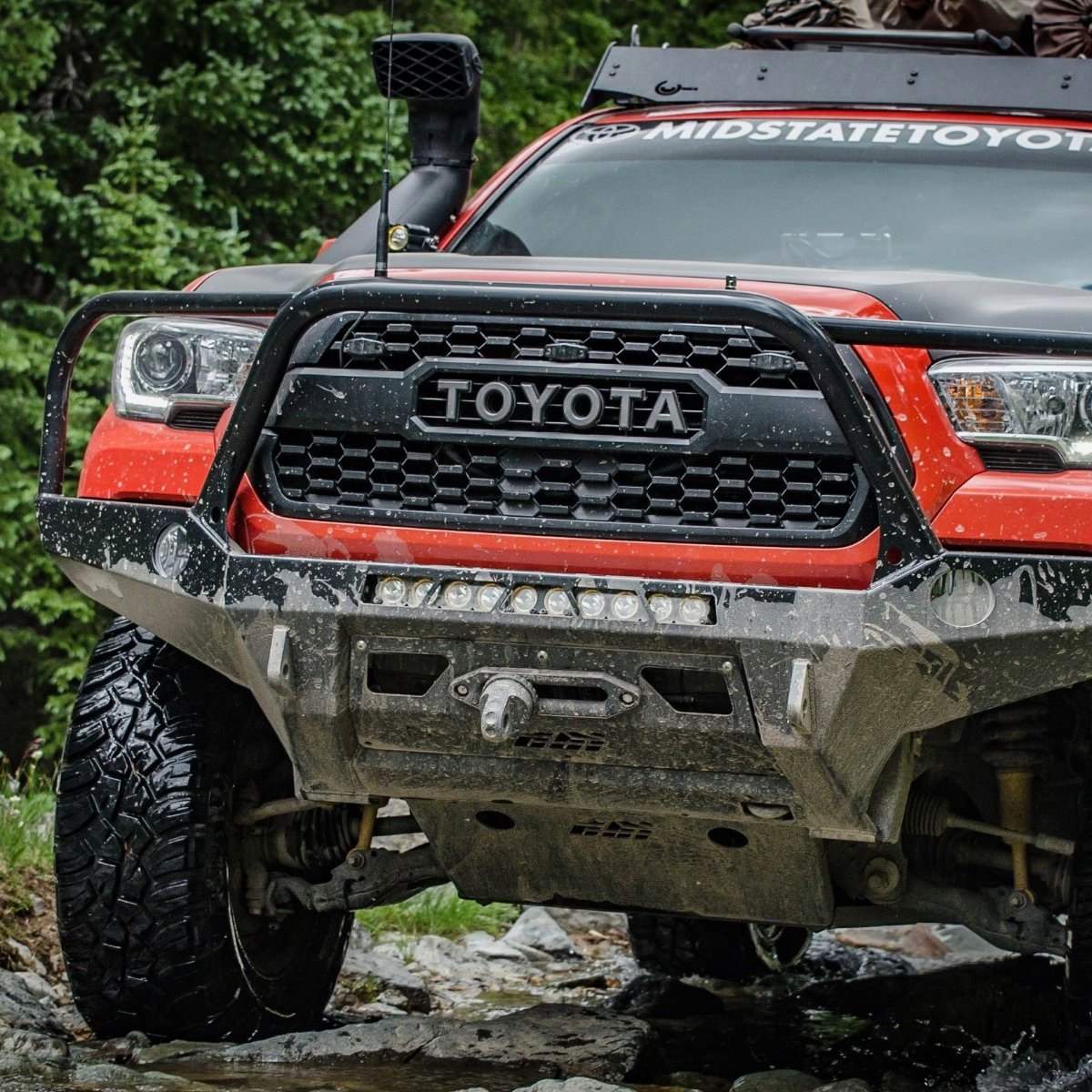
A Tundra snorkel is an elevated air intake system that relocates your engine’s air supply from the low engine bay position to a high-mounted intake point, typically above the roofline or near the windshield. Some snorkels incorporate specialized features such as water drainage and dust separation, and includes specialized tubing, mounting hardware, and often an upgraded air filter designed for extreme conditions.
The snorkel draws air from a much higher position, dramatically increasing your safe water crossing depth and reducing exposure to dust and debris. The snorkel is connected directly to the vehicle's air intake system for seamless airflow. Most quality snorkels position the air intake a couple feet higher than the stock system, transforming your truck’s capability in challenging terrain.
Modern snorkels are engineered specifically for each vehicle, ensuring proper fit and maintaining engine performance. They work with your existing engine management system while providing the protection needed for serious off-road adventures. Installation typically requires cutting a hole in the fender or body panel to mount the snorkel, so while you do get improvements with crossing some water, going through dust clouds, and in most cases, a cooler intake, it is however a permanent modification so you have to take that into consideration.
But let me bust a myth right away; yes a snorkel will improve your chances at crossing deep waters, but it can't protect as high as the snorkel's intake point. You're still limited by the position of your ECU and other electrical components.
The point of this blog is to determine whether going through this permanent mod is worth it for you. So let's get to the deets.
|
Feature |
Stock Air Intake |
Aftermarket Tundra Snorkel |
|
Best For |
Daily driving, light off-road |
Extreme off-road, overlanding |
|
Water Protection |
Low |
High |
|
Dust Resistance |
Moderate |
High |
|
Maintenance Needs |
Low |
Medium |
|
Cost |
Included in vehicle |
$300–$900 plus installation cost |
|
Appearance Impact |
Stock look |
Aggressive off-road style |
The stock air intake system serves most Tundra owners perfectly well. If your driving consists primarily of daily commuting, highway travel, and occasional light off-roading, the stock system provides adequate protection while maintaining simplicity and cost-effectiveness.
Warranty considerations may favor keeping stock systems, especially on newer trucks. While quality snorkels typically don't void warranties, some owners prefer avoiding any potential complications with warranty coverage during the initial ownership period.
Aesthetic preferences matter too. While I have some buddies that think snorkels look sick, but there are people who prefer the Tundra's stock appearance and don't want the aggressive look that snorkels create.
Light off-road use in dry conditions with minimal water crossing requirements doesn't justify snorkel investment. If your adventures stay on established trails without significant water hazards, the stock system provides sufficient protection.
Serious off-road enthusiasts who regularly encounter challenging terrain should strongly consider snorkel upgrades. If your adventures include river crossings, desert expeditions, or extended time in dusty conditions, a snorkel provides essential engine protection. Similar snorkel upgrades are also available for Sequoia models, offering comparable benefits for those vehicles.
Overlanding and expedition travel where you’re far from help and can’t afford mechanical failures benefits enormously from snorkel protection. The insurance against catastrophic engine damage justifies the investment when you’re hundreds of miles from civilization.
Frequent water crossings make snorkels essential safety equipment. Whether you’re crossing streams for fishing access or navigating flood-prone areas, the ability to safely traverse deeper water opens up new possibilities while protecting your truck.
Desert and dusty terrain use accelerates engine wear without proper protection. If you regularly drive in conditions where dust clouds reduce visibility, a snorkel keeps your engine breathing clean air and operating reliably.
Professional or commercial use in challenging conditions warrants snorkel investment. Work trucks used in mining, construction, or outdoor industries benefit from the added protection and reduced maintenance requirements.
So, it looks like you're serious about getting a snorkel, well then, here's my recommendation for the Tundra:
The Dobinsons snorkel system offers excellent value at $365 with proven reliability designed exclusively for 2014-2021 Toyota Tundra models with the 5.7L V8 engine. This kit is engineered to outperform in the most demanding environments and conditions, increasing air intake height for safer water crossings and reduced dust intake while potentially improving engine performance through increased airflow.
Manufactured from premium quality polyethylene, UV resistant linear low-density polyethylene (LLDPE) to be exact, this system is rotationally molded using precision CNC shaped aluminum dies. The material won't fall apart under extreme conditions and will maintain its shape for many years to come. Each box includes an installation template and all necessary mounting hardware, and is carefully shipped to ensure safe delivery to the customer.
The 2-year warranty demonstrates Dobinsons' confidence in their engineering, while the affordable price point makes professional snorkel protection accessible to more Tundra owners who want to shop for quality without breaking the budget.

Shop Dobinsons 4x4 Snorkel Kit
The ARB Safari Snorkel system is sort of the standard in the community, designed exclusively for 2014-2021 Toyota Tundra models and engineered to outperform in the most demanding environments. This system goes beyond simple water protection, it excels in dusty conditions by positioning the intake near the roofline away from debris clouds, and handles snowy conditions where factory intakes can become blocked.
What sets ARB apart is their rigorous engineering process. Each safari snorkel is designed and manufactured in Australia, then tested and verified on custom flow benches to ensure airflow meets or exceeds factory inlet design performance. The signature Air Ram system uses CAD and lab-tested engineering to deliver maximum airflow while removing the maximum volume of water from the incoming air stream.
Construction quality reflects ARB's premium positioning with UV stable polyethylene body, high-grade stainless steel and plated hardware for ultimate corrosion resistance. All connection ducting is custom designed from EPDM molded rubber rated to continuous 266°F operation. The 2-year warranty backs this so you can have some extra peace of mind when you're out on water crossings and dusty deserts.

Professional installation is recommended for most snorkel systems due to the precision required and potential for expensive mistakes. The process involves cutting body panels, routing intake tubing, and ensuring proper sealing, all critical for system performance and vehicle integrity.
The installation typically takes 4-6 hours and requires specialized tools for cutting and fitting. Proper sealing around all penetrations is crucial to prevent water intrusion that could cause more damage than the snorkel prevents.
Many shops specializing in off-road modifications have extensive experience with snorkel installations and can ensure proper fit and function. The investment in professional installation often pays for itself through proper execution and warranty protection.
Note: Some snorkel kits and air intake modifications for Toyota Tundra and Sequoia are not CARB exempt and are therefore not legal for use on vehicles registered in California and other states. Though rarely enforced on snorkels, please make sure to clarify the legal status of your chosen snorkel kit before purchase and installation to ensure compliance with local regulations.
Snorkel maintenance involves regular inspection of the air filter, intake tubing, and mounting points. The elevated position makes filter access more challenging but also means the filter typically lasts longer between services due to reduced contamination.
Check mounting hardware periodically for tightness, especially after extensive off-road use. Vibrations and impacts can loosen connections over time, potentially affecting system integrity.
Clean the air filter more frequently when operating in dusty conditions, but expect longer intervals between replacements due to the cleaner air supply. The investment in a quality snorkel often reduces overall maintenance costs through improved engine protection.
Customer feedback has helped improve maintenance recommendations for these snorkel systems. Customers can write to the manufacturer or shop for maintenance support or questions.
The choice between stock air intake and snorkel upgrade depends entirely on how you use your Toyota Tundra. For daily drivers and occasional weekend warriors who stick to established trails and avoid significant water crossings, the stock system provides adequate protection at no additional cost.
However, if your adventures regularly take you into challenging terrain with water crossings, dusty conditions, or remote locations where mechanical failure isn't an option, a snorkel upgrade transforms your truck's capability and provides invaluable insurance against expensive engine damage.
Consider your typical driving conditions, adventure goals, and risk tolerance. The cost of a quality snorkel installation is modest compared to engine replacement costs, making it a wise investment for serious off-road enthusiasts.
The bottom line: if you're questioning whether you need a snorkel, you probably do. The peace of mind and expanded capability it provides makes every adventure more enjoyable and less stressful.
Now, if you have a build or budget in mind, or is still unsure if your situation requires a snorkel, feel free to chat with us here at Truck Brigade, we love to help out!
Will a snorkel void my Tundra’s warranty?
Quality snorkels properly installed typically don’t void warranties, but modifications can potentially affect coverage for related components. Consult your dealer and keep detailed records of professional installation. Most warranty issues arise from improper installation rather than the snorkel itself.
How deep can I go with a snorkel installed?
Snorkels allow safe water crossings up to your vehicle’s electrical system limits - typically 2-3 feet for most Tundras. However, water depth capability depends on multiple factors including snorkel height, electrical protection, and proper sealing of other components.
Do snorkels require special maintenance?
Snorkels require slightly more maintenance than stock systems, mainly involving air filter inspection and cleaning. The elevated position often extends filter life, but access can be more challenging. Regular inspection of mounting points and seals ensures optimal performance.
Can I install a snorkel myself?
While technically doable snorkel installation requires cutting body panels and precise fitting that most owners prefer to leave to professionals. Improper installation can cause water damage, poor performance, or aesthetic issues that cost more to fix than professional installation. Bottom line is, if you're asking whether you can install a snorkel yourself, you probably shouldn't.
Will a snorkel affect my truck’s performance or fuel economy?
Quality snorkels are designed to maintain or slightly improve performance by providing cleaner, often cooler air to the engine. Any fuel economy impact is typically minimal and often offset by improved engine efficiency from cleaner air intake.
How are orders shipped and how can I track my delivery?
Orders are shipped via various carriers such as DHL and EMS. Delivery times depend on the shipping method and the weight of your package. You can check our website for the most up-to-date shipping dates, order status, and tracking information. The website also provides details on how to handle delivery issues, such as damaged or lost packages.
Comments will be approved before showing up.