Your Cart is Empty



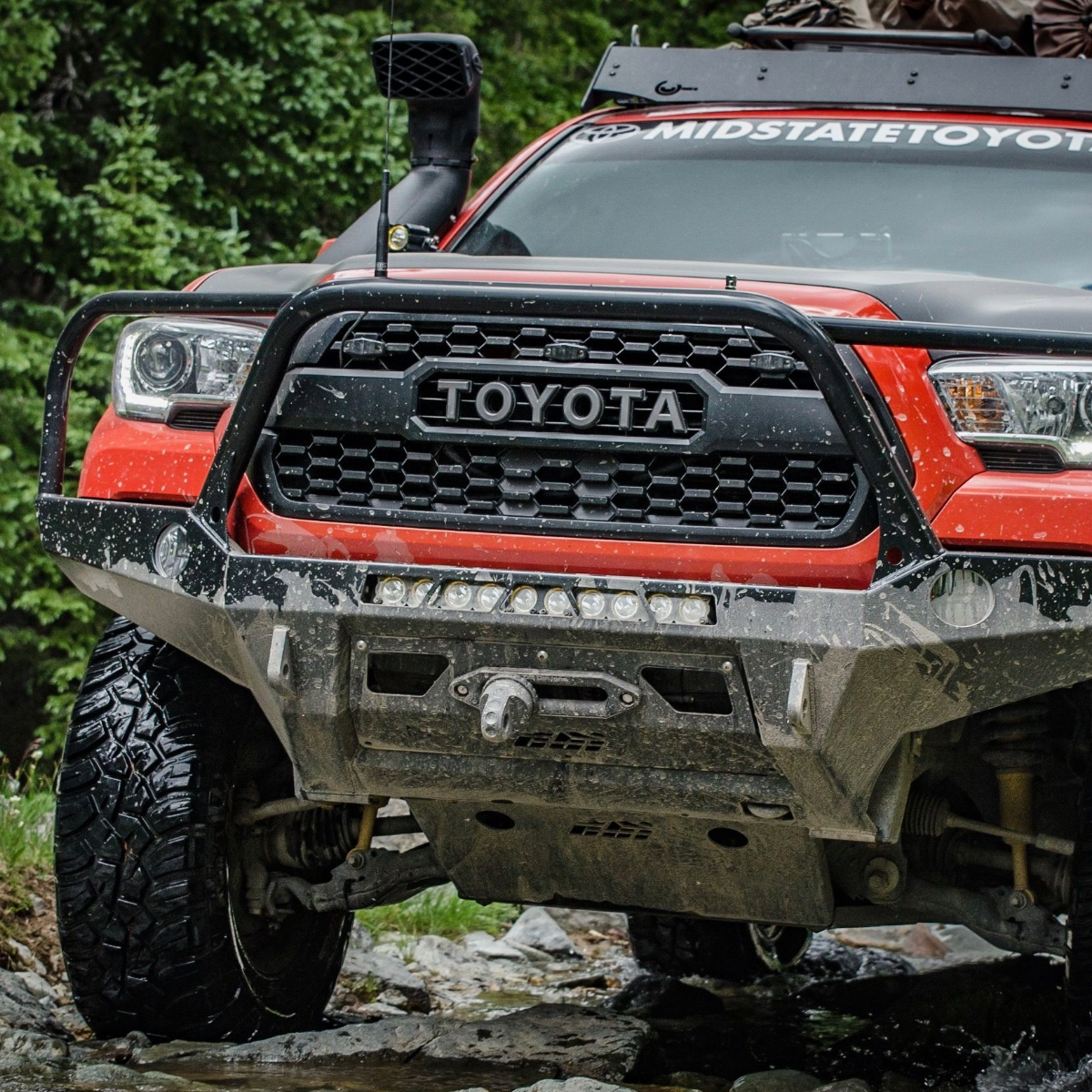
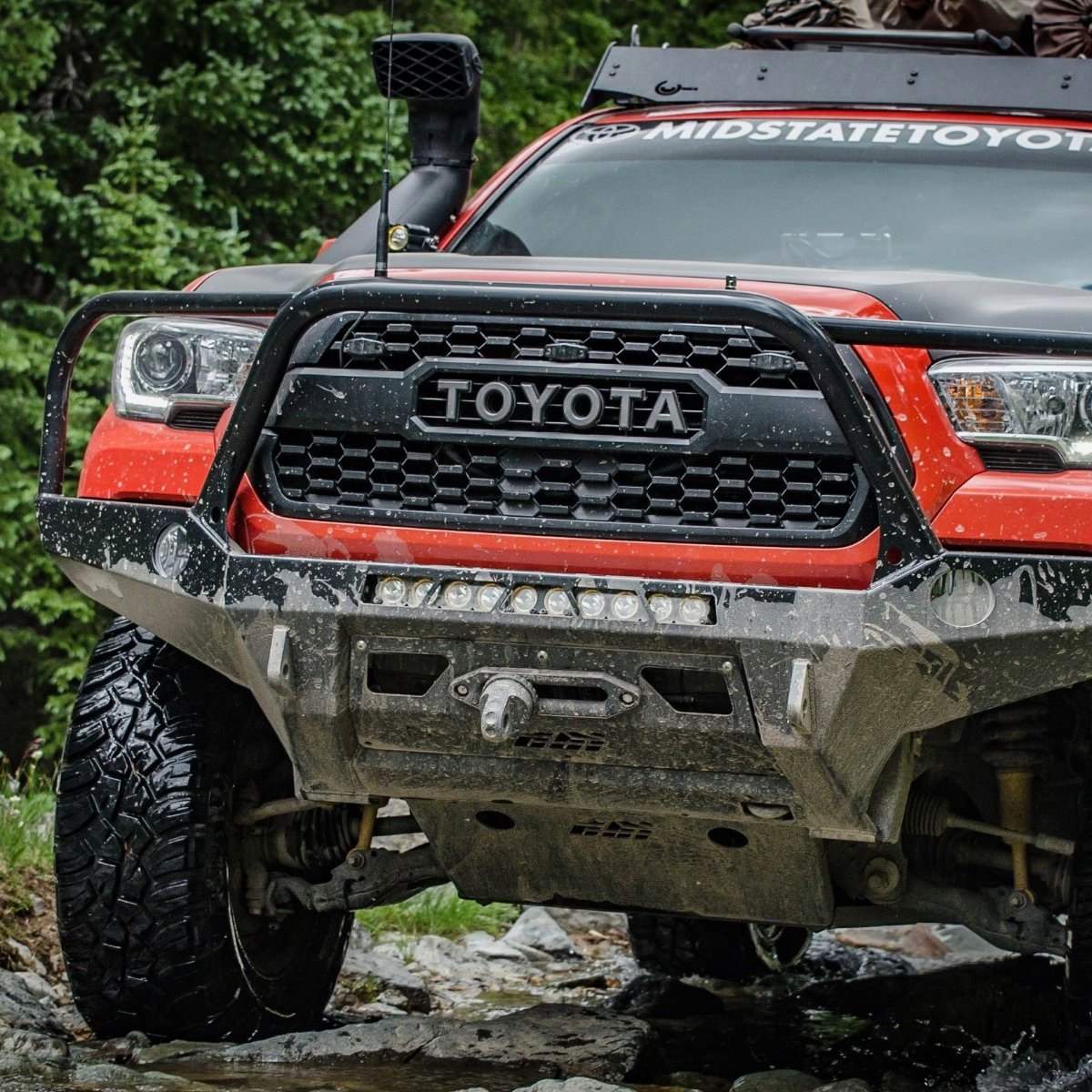




If you want to improve your 4Runner's off-road capabilities, understanding the right suspension upgrades is key. This guide covers everything you need to know about enhancing your 4Runner suspension for better performance on rugged terrains. Get ready to explore your options and make your 4Runner an off-road beast.

The Toyota 4Runner has a storied history as an off-road powerhouse, beloved by adventurers and weekend warriors alike. This rugged SUV has evolved over generations, from its humble beginnings to the 5th gen models we see today. Each generation has brought its own set of improvements, particularly in the suspension systems, which are crucial for off road performance and trd off road capabilities, making it a favorite among toyota truck enthusiasts.
Suspension upgrades are essential for anyone serious about off-roading. Factory suspensions prioritize on-road comfort, which often means compromising on off-road capability. Upgrading your suspension achieves significant gains in articulation, ground clearance, and load capacity, enabling your 4Runner to tackle more challenging trails and terrains.
Whether you're aiming for a budget build or a premium setup, setting realistic expectations is key. Suspension upgrades can transform your 4Runner's performance, but understanding the available options and their benefits will help you make informed decisions. Let's get started on this journey to make your 4Runner trail-ready!
Understanding your 4Runner's factory suspension system is crucial to appreciating the benefits of suspension upgrades. The stock setup includes springs, shocks, control arms, and sway bars, all designed to provide a balance between on-road comfort and off-road capability. This balance often favors comfort, limiting the suspension's effectiveness on rough terrain.
Factory suspensions come with several limitations for off-road use. They may bottom out on harsh bumps, exhibit poor articulation, or have excessive body roll on uneven trails. Recognizing these limitations and the signs that your suspension needs upgrading.
Upgrading your 4Runner's suspension can significantly enhance its off-road capabilities. Key components to consider include:
Each of these upgrades plays a vital role in improving traction, comfort, and vehicle stability, transforming your 4Runner into a more formidable off-road machine.
Shocks and struts are crucial for absorbing the impacts of rough terrain, ensuring a smoother ride. Key points include:
Remote reservoir shocks offer several important aspects:

Coilovers combine springs and shocks into a single unit, offering a more compact design and improved handling. Adjustable coilovers are particularly advantageous as they allow for fine-tuning of ride height and damping settings, making it easier to match your suspension setup to specific driving conditions. Popular brands like King, Fox, Icon, and Dobinsons provide a range of options to suit different needs and budgets.

For 4Runner owners looking for proven performance, the Dirt King 2.0 IFP Coilovers offer excellent value with their internal floating piston design that provides consistent damping characteristics. These coilovers are specifically engineered for 2003+ 4Runners and deliver reliable performance for moderate off-road use while maintaining daily drivability.
For those seeking premium performance, the Fox 2.5 Factory Series Remote Reservoir Coilovers represent the top tier of coilover technology. Featuring DSC (Dual Speed Compression) adjusters and remote reservoirs, these units provide exceptional heat dissipation and adjustability. The larger 2.5-inch bore diameter handles extreme off-road conditions while the remote reservoirs keep fluid temperatures low during extended trail sessions.
Choosing the right spring rate depends on your vehicle's weight and intended use. Installation can be complex, often requiring modifications to fit properly. Although the initial investment in coilovers may be higher, their long-term value and performance benefits make them a worthwhile upgrade for serious off-road enthusiasts.
Lift kits are a popular upgrade for increasing ride height and ground clearance, allowing your 4Runner to accommodate larger tires and tackle more challenging terrain. There are various types of lift kits, including:
The Westcott Designs Preload Collar Lift Kit offers a budget-friendly approach to gaining front-end lift for 2010+ 4Runners. This system uses preload collars to compress the factory springs, providing additional ride height without replacing major components. While not as comprehensive as a full coilover system, it's an excellent entry point for those wanting to clear larger tires without breaking the bank.

For comprehensive suspension upgrades, the Icon Vehicle Dynamics Stage 1 Suspension System provides a complete solution with 0-3.5 inches of adjustable lift. This system includes upgraded coilovers, rear coil springs, and all necessary hardware for a complete transformation. Icon's reputation for quality engineering ensures consistent performance and excellent ride quality both on and off-road.
Complete lift kits, offered by manufacturers like Toytec, OME, Icon, and Fabtech, provide comprehensive upgrades to suspension geometry, improving overall vehicle dynamics and added lift. However, lifting your 4Runner can impact the center of gravity and may require additional modifications to the driveline, especially if you choose a Lift kit.
Consider the legal and inspection requirements in your state before you bring any changes.
Aftermarket upper control arms and lower control arms are designed to correct geometry issues that arise with lifted vehicles. Made from forged materials like steel or aluminum, these components enhance wheel alignment and improve overall suspension geometry. Popular manufacturers include SPC, Icon, Total Chaos, and Camburg, all offering durable and adjustable options.

The Dirt King Ball Joint Upper Control Arms provide a significant upgrade over factory components with their heavy-duty construction and replaceable ball joints. These arms correct caster and camber angles on lifted 4Runners while offering improved durability for aggressive off-road use. The replaceable components make long-term maintenance more cost-effective.
For the lower end, Dirt King Performance Lower Control Arms complement the upper arms with their robust design and improved geometry. These arms feature heavy-duty construction and improved bushings that enhance wheel control and reduce unwanted movement during articulation.
The Camburg Performance X-Joint Upper Control Arms represent premium engineering with their unique X-joint design that provides exceptional strength and range of motion. These arms are particularly popular among serious off-roaders who demand maximum durability and performance from their suspension components.
Upgraded control arms often feature stronger ball joints and rubber bushings, contributing to better handling and ride quality. Caster correction installation can be complex, requiring proper alignment to ensure optimal performance.
Regular maintenance and inspections are necessary to keep these components functioning correctly.
Upgrading the rear suspension is just as important as the front. Options include rear coil springs with higher load capacities, upgraded shocks for better stability, and sway bar modifications to improve axle articulation.
Rear control arms, including trailing arms, lateral links, and panhard bars, can further improve handling and stability by allowing for better articulation and alignment. Load leveling systems benefit those who frequently tow or carry heavy cargo, ensuring your 4Runner remains balanced and stable.
Choosing the right suspension setup depends largely on the terrain you'll be tackling. Consider the following:
If your 4Runner is a daily driver, you'll need to balance off-road capability with on-road comfort. For towing and hauling, load-specific suspension considerations are crucial. Different suspension needs include:
Budgeting for your suspension build ensures you get the best performance for your money. Suspension builds can be categorized as follows:
Hidden costs such as installation, alignment, and additional modifications can add up. Taking a phased approach, upgrading components over time rather than all at once, can be an advantage. Weighing the cost-benefit of DIY vs. professional installation helps you stick to your budget while ensuring quality results.
Installing suspension upgrades requires the right tools and equipment, as well as a solid understanding of safety procedures. Proper lifting techniques, spring compression, and torque specifications ensure a safe and successful installation. Deciding between professional installation and DIY depends on the complexity of the upgrades and your mechanical skills, including a suspension lift.
An alignment is necessary after installation to ensure proper handling and tire wear. New suspension components may also require a break-in period and initial adjustments to achieve optimal performance.
Avoid common installation mistakes by following manufacturer guidelines and taking your time to install each step.
Common Mistakes to Avoid
Avoiding common mistakes can save you time, money, and frustration. Common mistakes when lifting your 4Runner include:
Proper shock valving, alignment, and supporting component upgrades are crucial for a successful suspension build. Avoid buying cheap components that require frequent replacements and always conduct thorough research to ensure compatibility.
Planning your suspension upgrade involves several key steps:
Keeping detailed records of all modifications and maintenance is important, as suspension tuning is an ongoing process. Consider the following:
Upgrading your 4Runner's suspension can transform its off-road performance, making it more capable, comfortable, and fun to drive. By understanding your factory suspension, exploring key upgrades, and matching your setup to your terrain, you can build a 4Runner that's ready for any adventure.
Remember to budget wisely, consider professional installation for complex upgrades, and learn from real-world results. Avoid common mistakes by doing thorough research and planning each step of your build. With the right approach, your 4Runner will be ready to conquer any trail.
Why should I upgrade my 4Runner's suspension?
Upgrading your 4Runner's suspension boosts off-road performance and comfort, making those tougher terrains way more manageable. It's a game-changer for your driving experience!
What are the benefits of coilovers over traditional shocks and struts?
Coilovers beat traditional shocks and struts by providing a compact design, plus the ability to adjust settings for better handling. If you're into off-roading or performance driving, they're definitely worth considering!
How do I choose the right lift kit for my 4Runner?
You want to think about your budget, the terrain you'll be driving on, and any local laws. Spacer lift kits are a good budget option, but if you're looking for a full upgrade, complete systems are the way to go.
Are aftermarket control arms necessary for a lifted 4Runner?
Absolutely, aftermarket control arms are a must for a lifted 4Runner. They fix geometry issues and help with better alignment and suspension performance.
What are the common mistakes to avoid when upgrading suspension?
To nail your suspension upgrade, steer clear of over-lifting, mismatched parts, and skimping on quality. Don't forget to pay attention to geometry and get those alignments right!
Comments will be approved before showing up.