Your Cart is Empty


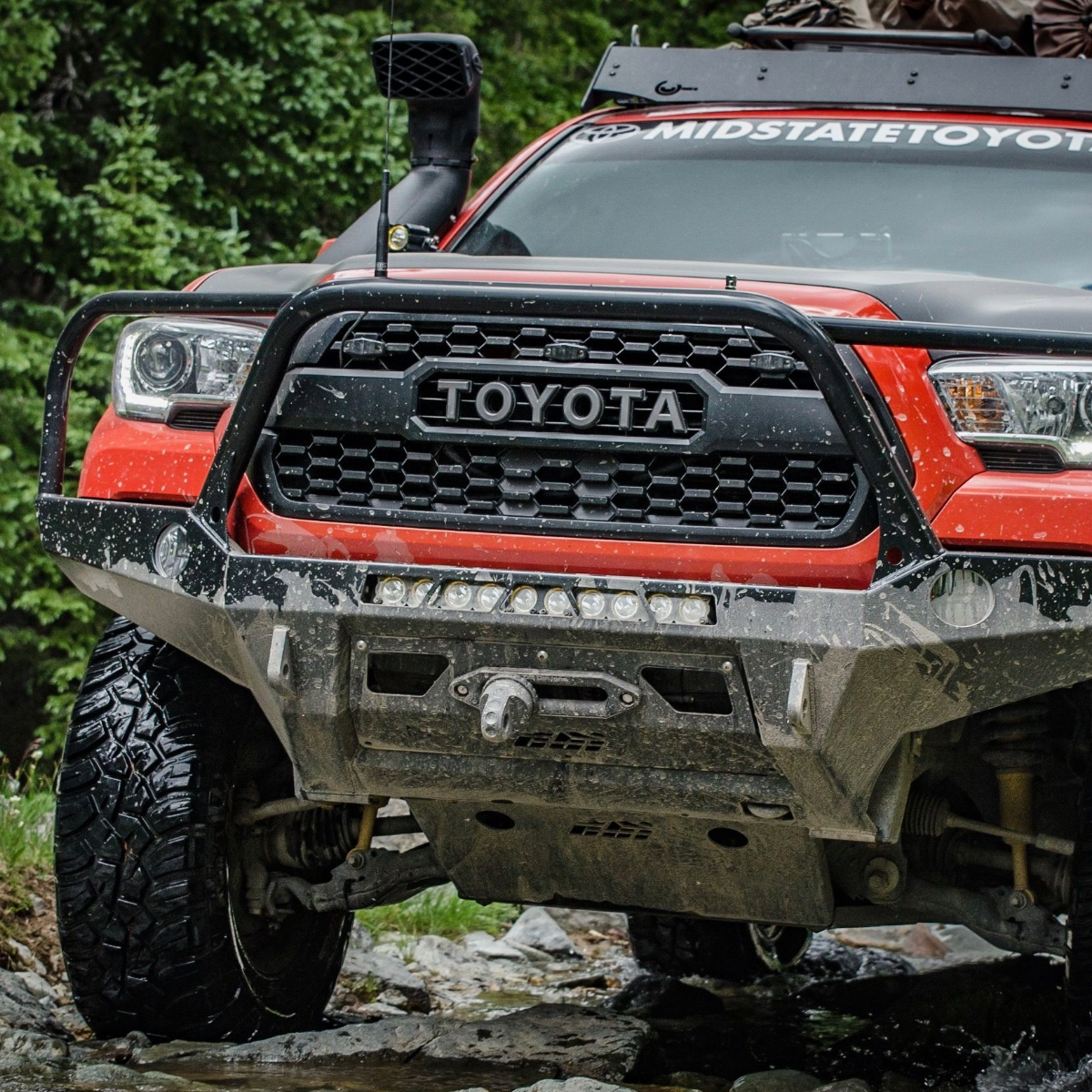
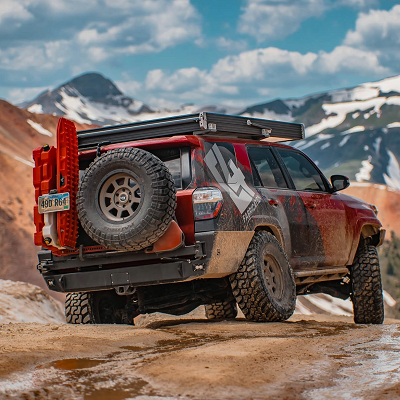
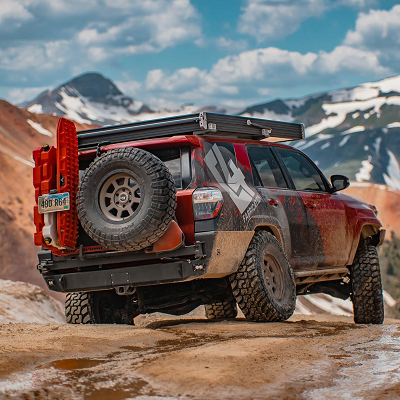
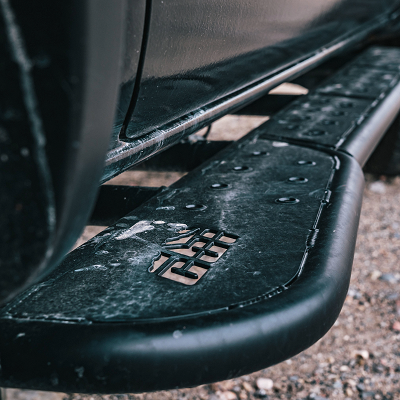
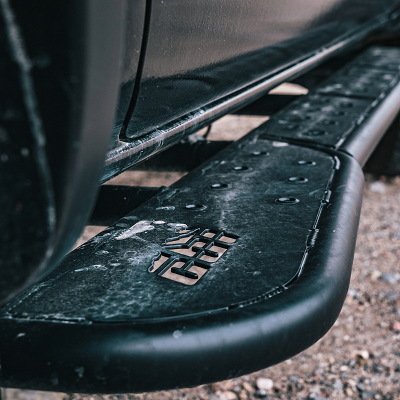


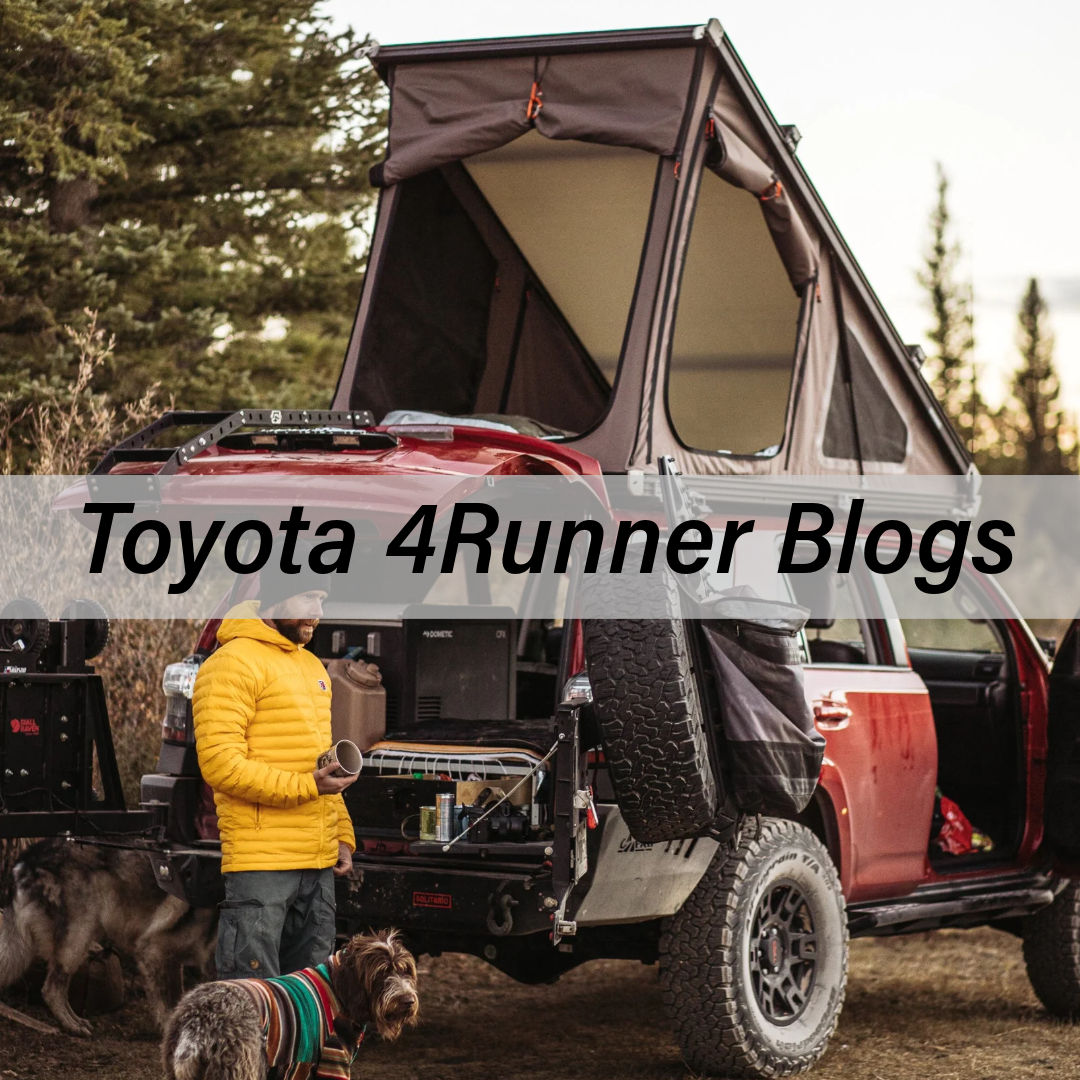

If you're looking for a roof rack that's built to last, fits your specific vehicle and gives you room to grow, Sherpa Equipment Company, commonly referred to as Sherpa, belongs at the top of your list. Based in Berthoud, Colorado, Sherpa manufactures premium aluminum roof racks with aircraft-grade materials sourced entirely within 500 miles of their facility. Every product is made in America and backed by a limited lifetime warranty. Let this offer comfort, in reality, we have seen less than a handful of customers reach out in regards to a warranty.
Sherpa started with a single roof rack model but have since developed two main roof rack series: the full-length PEAK Series and the lighter, lower-profile Sport Series. Both share the same stainless steel hardware, rubber roof seals and bolt-on installation philosophy. Where they differ is in platform size, side plate thickness and load capacity. This guide walks through both series, covers fitment across every supported vehicle, explains your customization options and helps you figure out which setup makes the most sense for your rig. With that being said you cannot go wrong with any of Sherpa's racks. They all offer superior quality and functionality. The only question is which model and configuration fits your specific needs.
For a broader look at the full Sherpa lineup including bed racks, topper racks and load bars, check out our Sherpa Equipment Company overview. Ready to shop? Browse the Sherpa Roof Racks collection at Truck Brigade to see every available option.

The roof rack market is crowded, but Sherpa has carved out a reputation for engineering choices that actually matter and have been proven on the trail. For their Peak Series roof racks, their side plates start at 1/4-inch thick aircraft-grade 6061 aluminum — 33 percent thicker than most competitors. That extra material is not just for show. It means the rack can handle real loads without flexing, and it gives you the structural foundation for handles and tie-down points that are cut directly into the plate rather than bolted on as afterthoughts. Thickness matters with roof top tents and heavier loads. But don't let the thickness fool you, due to its lightweight aluminum construction that added thickness only adds minor weight to the rack.

Sherpa was among the first rack companies to use stainless steel hardware with black oxide coating on their PEAK Series. Today more and more are following suit which is a testament to Sherpa's quality and willing to offer a superior product before others. Standard stainless hardware resists corrosion well, but the black oxide treatment adds a layer of protection and a clean, blacked-out aesthetic that holds up through years of trail use without rusting or looking worn.
The mounting system is another area where Sherpa gets details right. Instead of relying on silicone to seal the connection between the rack feet and your roof, Sherpa uses purpose-built rubber roof seals that create a proper weatherproof barrier. Silicon is messy, can leak, and is generally less desirable. We expect other manufactures to follow suit but again, Sherpa is at the top. Nearly every rack bolts directly to your vehicle's factory mounting points with no drilling or vehicle modification required. The result is a secure, sealed installation that won't compromise your roof or void your warranty.
Sherpa also takes a different approach to product development. Rather than releasing a product and moving on, they continuously test and revise their designs based on real-world feedback. Don't believe us? Check out their social channels which are flooded with them testing their products in real-world conditions. That commitment shows up in small but meaningful details: crossbar spacing that actually works for common accessories, fairing options tuned for specific use cases and T-channel extrusion crossbars that accept drop-in T-nuts for tool-free accessory mounting.
The PEAK Series is Sherpa's flagship roof rack line and considered their premium offering. These are full-length platform racks with more crossbars, maximum load capacity and the full 1/4-inch aluminum side plate construction. If you're hauling heavy gear, running a rooftop tent, mounting lights and antennas, or building out a serious overlanding setup, the PEAK Series is the right foundation.

Every PEAK Series rack is built from 1/4-inch thick 6061 aircraft-grade aluminum side plates. The crossbars are 2x1 inch extruded aluminum T-channel profiles with multiple slots along their length for T-nut accessory attachment. Hardware throughout is stainless steel with black oxide coating, and the mounting feet use rubber seals to create a tight, waterproof fit against your factory roof mounting points.
Built-in handles are laser cut directly into the side plates, giving you a solid grip perfect for loading gear without adding bulk or extra hardware. With the handles integrated into the side plates you don't have to purchase additional mounts for an added cost which is the case with some of the other roof racks on the market. Tie-down points are integrated in the same way, so you have anchor points anywhere along the rack without relying on add-on cleats that can loosen over time.
Load ratings vary by vehicle model, but PEAK Series racks offer the highest-capacity option Sherpa makes. The Crestone, for example, covers the 2010–2024 Toyota 4Runner with 9 crossbars, a platform measuring 95 x 47.5 inches, a weight of 50 lbs and a 300 lb dynamic / 700 lb static load rating. The rack adds only 2.5 inches to the vehicle's roofline height, which is notable given the platform's full-length coverage. The Grand Teton for the 2005–2023 Tacoma Double Cab delivers 7 crossbars at 63 x 48.5 inches, 45 lbs and a 400 lb dynamic / 700 lb static rating. Other Sherpa racks feature similar industry-leading specs and features.
Dynamic load ratings reflect what the rack can handle while the vehicle is in motion — the more relevant rating for most use cases. Static ratings are for when the vehicle is parked. For a full breakdown of every 4Runner-specific option, read our Sherpa Roof Rack 4Runner Guide.
The Sport Series gives you a shorter, lighter rack that still uses Sherpa's quality hardware and mounting system. Where the PEAK Series uses 1/4-inch 6061 aluminum side plates, the Sport Series uses 3/16-inch 5052 aluminum — thinner and lighter, but still plenty strong for the majority of roof rack use cases. The Sport Series is currently available for a limited number of models such as the 5th Gen Toyota 4Runner and the 2005–2023 Toyota Tacoma Double Cab.

The Sport Series carries a 150 lb dynamic and 400 lb static load rating. That is lower than the PEAK Series, but it is more than sufficient for a rooftop tent, a bike or two, a cargo box or a combination of smaller gear. For daily drivers who occasionally venture off pavement, the Sport Series delivers the core Sherpa experience at a lower weight and in a shorter platform footprint. If you plan to carry a larger hard-shell rooftop tent, numerous accessories, fuel/water containers, you might elect to spend the extra money for PEAK Series which is rated to carry more weight.
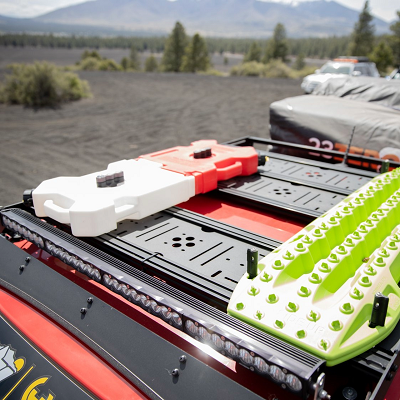
The most important differences come down to platform length, side plate thickness and load capacity. PEAK Series racks are full-length with 7 to 9 crossbars depending on the vehicle. Sport Series come with fewer crossbars, which makes them better suited for people who don't need a full-coverage platform. Both series use the same stainless steel hardware, the same rubber roof seals and the same drill-free installation process. If your primary use case is a single rooftop tent or a pair of bikes and you want to keep the rack as light as possible, the Sport Series is a logical choice. If you're building out a comprehensive overlanding rig with lights, traction boards, Rotopax and a rooftop tent, the full PEAK Series gives you more mounting real estate and a higher load margin.
For a side-by-side look at how the different Sherpa rack styles compare, including when to choose Sport versus PEAK, read our Sherpa PEAK vs SPORT Roof Rack comparison.
One of Sherpa's defining strengths is the depth of their vehicle coverage. Rather than building a universal rack with adjustable feet, they engineer each model specifically for a single vehicle application. That means tighter fitment, better aesthetics and mounting systems designed around your factory roof points. Here is a rundown of supported platforms.

Sherpa covers more 4Runner generations than any other vehicle. For the 5th Gen (2010–2024), options include the Crestone (full PEAK Series), the Crestone Sport and the more compact Needle. The Crestone is the flagship: 9 crossbars, 95 x 47.5 x 2.5 inches, 50 lbs, 300 lb dynamic / 700 lb static and only 2.5 inches added to roof height — all while maintaining sunroof access. The 4th Gen (2003–2009) is covered by the Princeton at 9 crossbars, 50 lbs and a 600 lb static rating. Third Gen (1996–2002) owners have the Matterhorn (200 lb dynamic / 600 lb static, ~35 lbs), the Matterhorn Sport and the Antero. The new 6th Gen (2025+) is covered by the Capitol.
For a deep-dive on every 4Runner option across all generations, read our dedicated Sherpa 4Runner Roof Rack Guide.

The Grand Teton covers the 2005–2023 (3rd Gen) Tacoma Double Cab with 7 crossbars, a 63 x 48.5 inch platform, 45 lbs and a 400 lb dynamic / 700 lb static capacity. The Grand Teton Sport offers a lighter alternative for the same body style. The Rainier covers the redesigned 2024+ (4th Gen) Tacoma Double Cab, using Toyota's built-in hard mounting points for a direct load-path connection and rubber roof seals. For Tacoma owners running a camper shell, the Animas is a camper rack option that extends coverage toward the bed. Our Sherpa Tacoma Roof Rack Guide covers every Tacoma option in detail.
The Harvard covers the 2008–2022 Toyota Sequoia with 9 crossbars, a 400 lb dynamic / 700 lb static rating and the same PEAK Series construction. The Belford covers the earlier 2001–2007 Sequoia. Both bring full-length platform coverage to one of the most capable three-row SUVs on the market.
The Atlas is built for the 2024–2025 Toyota Land Cruiser. The Oxford covers the 1998–2007 Land Cruiser 100 and the Lexus LX470. FJ Cruiser owners have the Fuji, which is purpose-built for the 2007–2014 body style.
Sherpa covers the Lexus GX lineup with dedicated models at each generation. The Yale fits the 2010–2023 GX460, the Quandary covers the 2003–2009 GX470 and the Atlas extends to the GX550 alongside the new Land Cruiser. All three share the PEAK Series build quality and full customization options.

The Snowmass covers the 2019+ Toyota RAV4 with 8 crossbars, 45 lbs and a 700 lb static load rating. Bringing a full-length platform rack to a crossover-sized SUV opens up real hauling versatility for RAV4 owners who want proper overlanding capability without switching vehicles.
The Storm fits the 2021+ Ford F-150 SuperCrew, while the Thunder is built for 2017+Ford F-250, F-350 and F-450 Crew Cab trucks. Both bring PEAK Series construction to two of the most popular work and adventure trucks in America.
The Diablo covers 2019+ RAM trucks with a 700 lb static load rating and the full PEAK Series feature set. RAM owners looking for a bolt-on rack that can handle serious loads now have a purpose-built option in the Sherpa lineup.
The Rammstein is a testament to how far Sherpa's fitment coverage extends. Built for the 2003–2010 Porsche Cayenne and Volkswagen Touareg, it brings the same quality construction to European platforms that share a common body architecture.
Most Sherpa PEAK Series and Sport Series racks come with the ability to configure the front wind fairing.

The wind fairing mounts at the front of the rack and shapes airflow over the platform. Sherpa offers two heights. The half-height fairing creates a gap between the fairing and the first crossbar that is ideal for mounting a front-facing LED light bar — the light shines forward through the gap without any obstruction. The full-height fairing closes that gap for maximum wind protection, which reduces wind noise and drag at highway speeds. If you plan to run a light bar, go half-height. If you spend a lot of time on the highway and want a quieter, more aerodynamic setup, choose full-height.
Once your rack is dialed in, you can add from the full library of Sherpa bolt-on accessories. Our Sherpa Roof Rack Accessories guide covers every available mount, bracket and panel in detail. You can also shop the complete accessory catalog at the Sherpa Accessories collection page.
The right roof rack setup depends on how you use your vehicle. Here are four common approaches and the Sherpa configurations that work best for each.

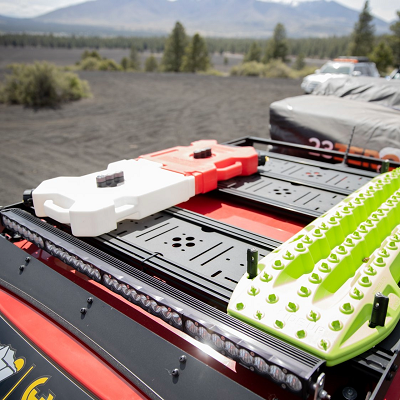
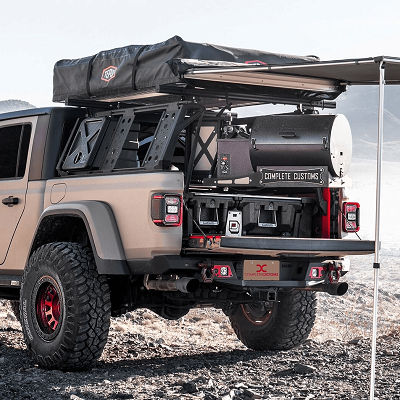
For overlanding builds, the PEAK Series full-length rack is the right platform. Start with a full-height fairing for highway noise reduction and mount a rooftop tent toward the rear of the rack using Sherpa's purpose-built tent mounts. Add crossbar risers if your tent needs extra clearance above the crossbars. Mount traction boards on the Sherpa window panels or in front/behind your tent if you have room, and bolt Rotopax fuel or water containers at the front or rear. A QuickFist mount or HiLift mount keeps your recovery tools secured on the rack rather than loose in the cabin. For communication and navigation, Sherpa's antenna mounts accept NMO-sized fittings for HAM, CB and GMRS setups, with a WeBoost option available as well.

If your rig spends most of its time in the city but needs to be trail-ready on weekends, the Sport Series is worth considering. The lighter platform keeps your center of gravity lower and reduces fuel economy impact on long commutes. For this use case, pair the Sport Series with a single Roam case mount or an awning mount that can be deployed quickly at the trailhead. The Sport Series still accepts the full range of crossbar-mounted accessories, so you are not giving up versatility — just load margin that most daily drivers will never use.
A PEAK Series rack is the most secure rooftop tent platform you can put on your SUV or trucks cab. Sherpa's tent mounts are purpose-built brackets that use the T-nut channel system — no drilling, no clamping, just bolt-on security. If your tent is larger or taller, crossbar risers give you the clearance to mount the tent above any other gear stored on the platform. Note the higher up your tent the more wind drag and reduced miles per gallon. For hard-shell tents that open lengthwise, position the tent toward the rear of the rack so the hinge faces backward and clears the fairing when opening. The high static load ratings on PEAK Series racks — up to 700 lbs on most models — give you plenty of margin even with a two-person hard-shell tent plus bedding and gear.

Both the PEAK Series and Sport Series crossbars accept standard bike and kayak carrier mounting systems via T-nut attachment. If your primary use case is hauling recreational gear, you may also want to consider the Sherpa Load Bar System as an alternative — load bars can mount to your factory roof tracks and offer a cleaner, lower-profile look for vehicles where you don't need a full platform rack. If you already have a PEAK or Sport rack, you can add Sherpa's Adapt Plate as a universal mounting surface for accessories that don't use T-nut attachment.
Sherpa racks are designed for bolt-on installation with no drilling and no specialized tools. Note some specialized racks might require drilling so check with the rack specific installation manual. The full installation process takes most people a couple hours with basic hand tools. All required hardware ships with the rack.

The rubber roof seals create a weatherproof barrier at each mounting foot without silicone, which means there is nothing to crack, dry out or peel over time. If you need to remove the rack — every component unbolts cleanly from your vehicle.
For load bar installation specifically, the process is simpler: the bars slide into your factory roof tracks and lock in place with included hardware. Read our Sherpa Load Bars guide for the complete walkthrough.
Build your Sherpa setup at Truck Brigade. Browse the Sherpa Roof Racks collection to find your vehicle-specific rack, then explore the Sherpa Accessories collection to customize it. Need help choosing? Our Sherpa Equipment overview covers the full lineup.
The PEAK Series uses 1/4-inch 6061 aircraft-grade aluminum side plates and offers the highest load ratings and maximum crossbar count. The Sport Series uses thinner 3/16-inch 5052 aluminum, has fewer crossbars and carries a 150 lb dynamic / 400 lb static rating. Both series use the same stainless hardware and rubber roof seals. The PEAK Series is the right choice for serious overlanding builds; the Sport Series suits daily drivers and lighter recreational use.
No. Nearly all Sherpa roof racks mount directly to factory roof mounting points using the included hardware and rubber-sealed mounting feet. No drilling into the vehicle's roof or modification of the body is required.
Sherpa racks are designed to maintain sunroof access. On models like the Crestone for the 5th Gen 4Runner, the crossbar layout is specifically spaced to preserve the sunroof opening. Individual crossbars can also be removed or repositioned to keep the sunroof area clear.
Weight varies by model and vehicle. The Crestone (5th Gen 4Runner) weighs 50 lbs, the Grand Teton (Tacoma) weighs 45 lbs and the Snowmass (RAV4) weighs 45 lbs. Sport Series racks are lighter due to the thinner side plates and shorter platform. Each product page includes the exact weight for that specific model.
PEAK Series racks typically carry 300–400 lbs dynamic and 600–700 lbs static depending on the model. The Sport Series is rated at 150 lbs dynamic and 400 lbs static. Dynamic ratings apply while the vehicle is moving; static ratings apply when the vehicle is parked. For most users, the dynamic rating is the number that matters most.
Choose the half-height fairing if you plan to mount a front-facing LED light bar — the gap between the fairing and the first crossbar is specifically designed for this. Choose the full-height fairing if wind noise and aerodynamics at highway speeds are your priority. If you are unsure, the full-height fairing is the more versatile default for drivers who do not plan to run a light bar.
Yes. All Sherpa PEAK Series and Sport Series crossbars use a 2x1 inch T-channel extrusion with slots that accept drop-in T-nuts. This lets you bolt on any compatible Sherpa accessory at any time without drilling or modification. Our Sherpa Roof Rack Accessories guide covers the full range of available options.
Sherpa makes vehicle-specific racks for the Toyota 4Runner (3rd through 6th Gen), Tacoma (2005–present), Sequoia, Land Cruiser, FJ Cruiser, RAV4, Lexus GX460/GX470/GX550, Ford F-150 and F-250/350/450, RAM trucks, and even the Porsche Cayenne and Volkswagen Touareg. Start with your vehicle's year, make and model at the Sherpa Roof Racks collection to find your exact fitment.
Ready to find your rack? The full Sherpa collection at Truck Brigade covers every series, every vehicle and every accessory. If you own a 4Runner, start with our Sherpa 4Runner Roof Rack Guide. Tacoma owners should check out our Sherpa Tacoma Roof Rack Guide. Whatever your rig, Sherpa builds a rack for it — and we carry the full lineup.