Your Cart is Empty

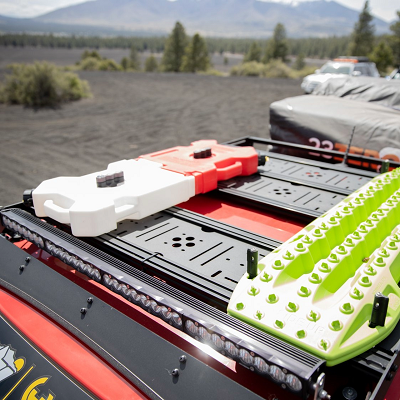

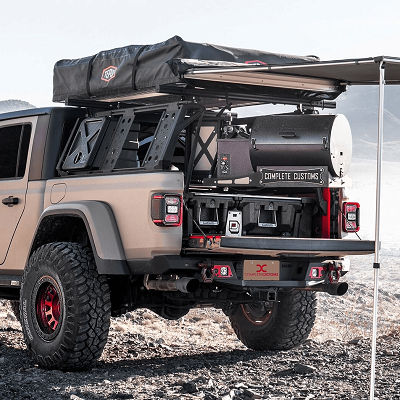
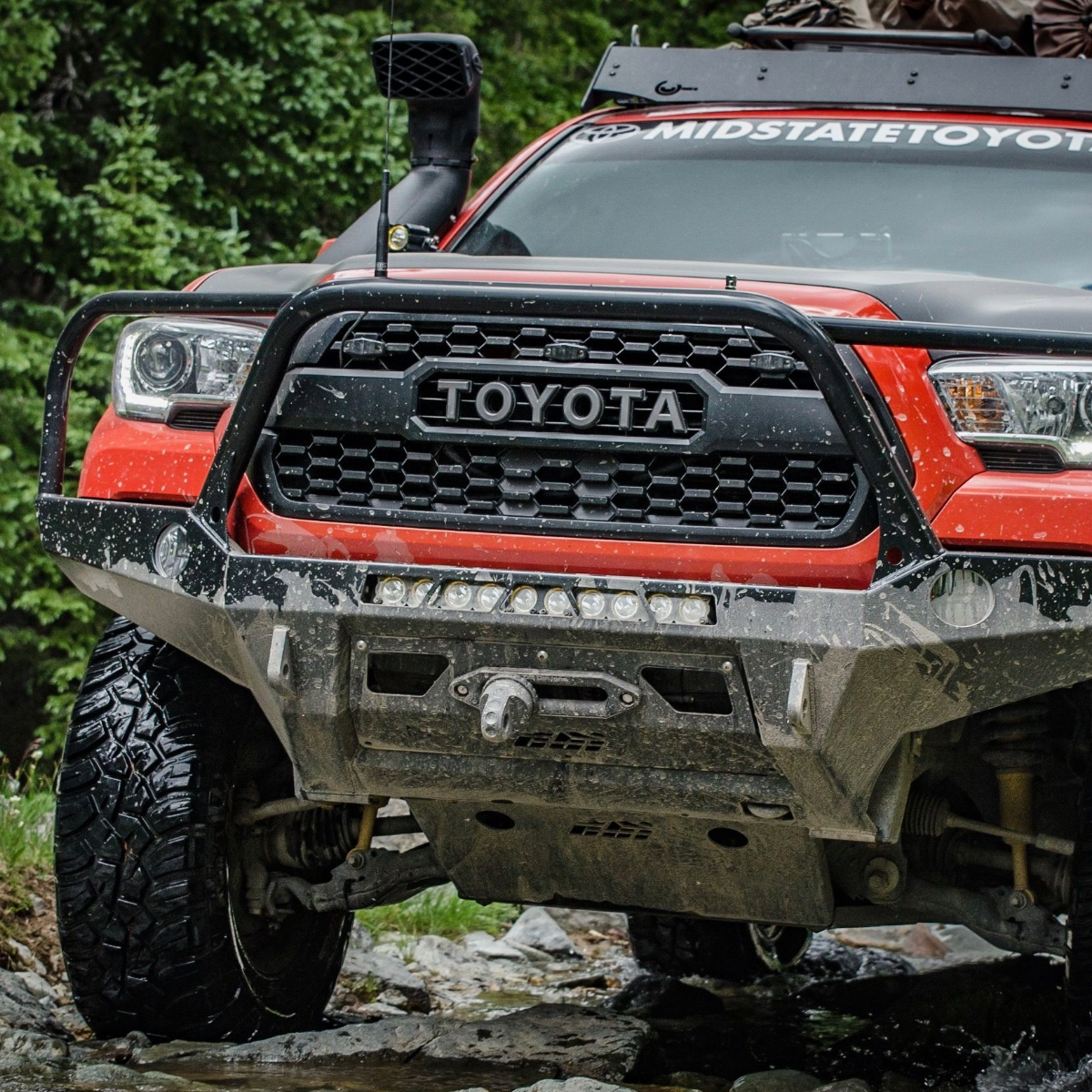
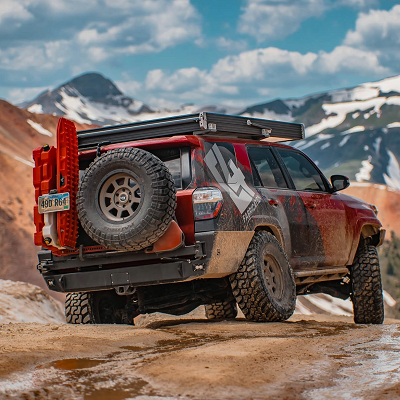
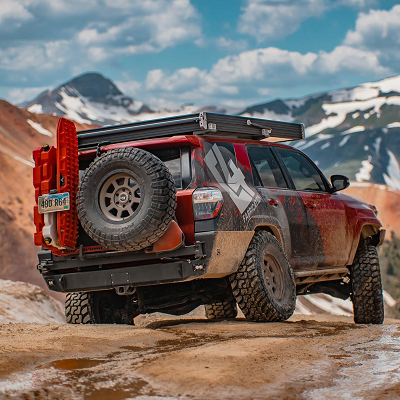
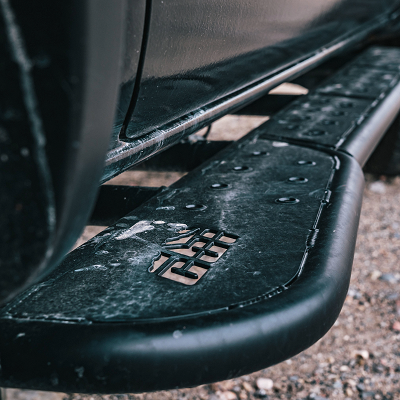
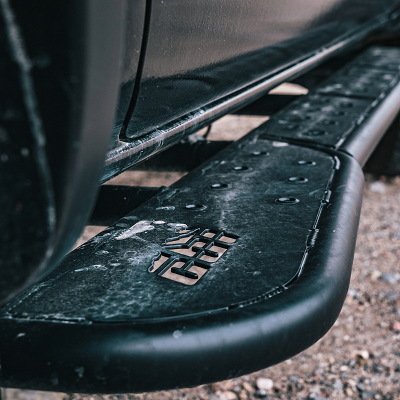


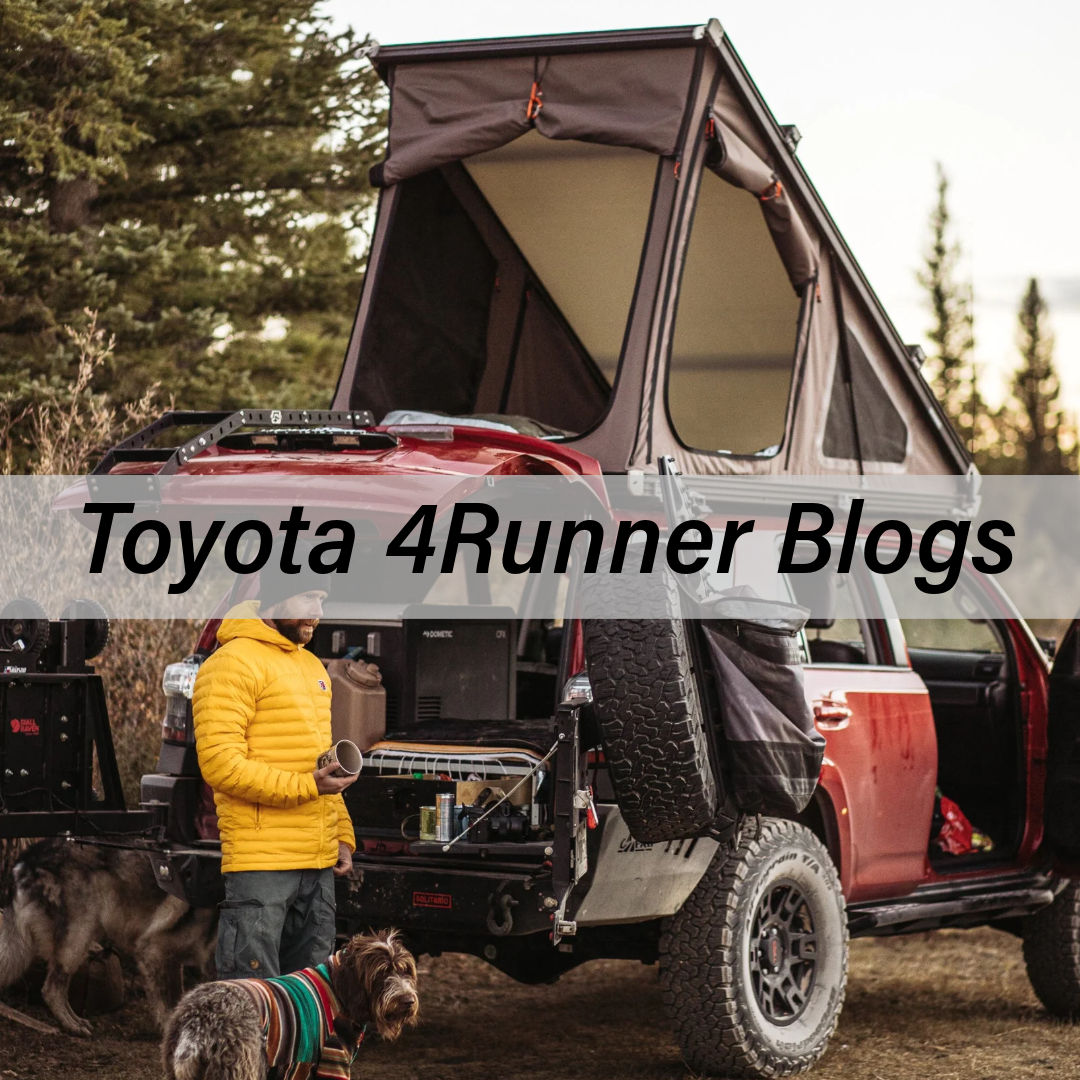

Sherpa Equipment Company, referred to most as Sherpa, builds more than just roof racks. In fact, their lineup spans multiple distinct rack types including roof racks, bed racks, topper racks and load bars. Each of these racks is designed to solve a specific problem for a specific kind of driver. Figuring out which one suits your needs best starts with understanding what each system does, who it's built for and how they stack up against each other. This guide covers all of it and is a great starting point for someone who is unsure.
Whether you drive an SUV like a 4Runner, a mid-size truck like a Tacoma or a full-size rig like a Tundra, Sherpa has a purpose-built solution designed specifically for your platform. The full Sherpa Equipment overview gives you a nice overview of Sherpa generally and covers the company's background and complete lineup. Here, we go deeper on the rack types themselves so you can make the right call for your setup. The last thing we want is for you to order load bars when you really would have benefitted from a full bed rack.

The biggest mistake buyers make is jumping straight to a product without first matching it to their vehicle and use case. Not everyone is a full time traveler and need all the bells and whistles. Sherpa's four rack options each live in a different part of your rig and serve different goals. Roof racks go above the cab. Bed racks live in the truck bed. Topper racks mount on top of a truck cap or camper shell. Load bars are a lightweight alternative that can mount in various places.

The second variable is your gear. A rooftop tent, a set of bikes and a cargo box all have different requirements including weight, footprint, mounting style and center-of-gravity implications. Some rack types handle heavy loads better than others. Some are better suited to SUVs while others make more sense on a pickup truck.
The sections below break down each Sherpa rack category so you can narrow your decision quickly. If you already know you want a roof rack, our dedicated Sherpa Roof Rack Guide goes deep on every model explaining the features and benefits and what make Sherpa the go-to brand. If you have a Tacoma and debating roof versus bed rack, keep reading.
Sherpa's roof rack lineup is their flagship product category and the one that put them on the map. For most models, they offer two series of roof racks — PEAK and Sport — each offering unique benefits. Both mount to factory roof mounts with no drilling, use stainless steel hardware and come with rubber roof seals that eliminate the need for silicone. Browse the full Sherpa Roof Racks collection to see every available model.

The PEAK Series is Sherpa's heavy-duty premium rack. The side plates are cut from 1/4-inch thick aircraft-grade 6061 aluminum which is 33 percent thicker than most competitors. Built-in handles are laser cut directly into the side plates, and tie-down points are integrated throughout so you don't need to add separate hardware ultimately saving you money. The extrusion crossbars are 2x1-inch aluminum with T-channel slots that accept drop-in T-nuts for accessory mounting without drilling.
Load ratings on PEAK Series racks are some of the highest in the industry. For example, the Crestone for 5th Gen 4Runner (2010-2024) carries 300 lbs dynamically and 700 lbs statically across 9 crossbars, while adding only 2.5 inches to roof height and maintaining full sunroof access. That is an impressive load capacity when the rack in its entirety only weighs around 50 lbs. The Grand Teton for 2005-2023 Tacoma Double Cabs hits 400 lbs dynamic and 700 lbs static at just 45 lbs installed weight. Detailed specs for each vehicle are covered in our 4Runner guide and Tacoma guide.
Sport Series racks use 3/16-inch 5052 aluminum side plates which are thinner than the PEAK Series reducing the weight significantly. Load capacity is also less as expected at 150 lbs dynamic and 400 lbs static, which is plenty for most basic setups such as bikes or storage boxes. The Sport Series uses the same stainless hardware and rubber roof seals as the PEAK line, so build quality is not compromised. Sport racks are currently available for 4Runner and Tacoma platforms.
The PAK System is Sherpa's answer for truck owners who want to turn their bed into an organized, high-capacity cargo platform or are just looking for a simply way to mount a rooftop tent. It's available in mid-height and rack-height configurations, both built from 1/4 inch precision-cut aluminum towers with boxed sheet metal crossbars. The full Sherpa Bed Racks collection includes both heights along with the PAK accessory panels. For a complete breakdown of use cases and configuration options, visit our Sherpa Bed Rack Guide.

The mid-height PAK System keeps gear lower in the bed, which is optimal for serious off-road driving. A lower center of gravity means more stability when you're picking a difficult line. The crossbars sit lower in the bed, and the dual-height crossbar support lets you dial in the right position for a rooftop tent or flat cargo. This is the configuration most trail-focused truck owners gravitate toward.

The rack-height PAK System is engineered to match the height of the Sherpa cab rack. This creates a continuous, visually unified load plane from the front of the cab to the back of the bed. It's the configuration most Tacoma owners choose when running a full combo setup or need to carry a longer item that what will fit just on the roof rack or bed rack (think large kayaks, surfboards, or lumber). See the combo setup section below for more on this pairing.
The mid-height PAK package includes 2 towers, 2 crossbars, 2 standard accessory braces and 4 bed mounting brackets. Full-size trucks get 3 or 4 towers, 3 or more crossbars 2 standard accessory braces, 2 side plates, and multiple bed mounting brackets. Expand your setup with Sherpa bed rack accessories including PAK Standard and XL Accessory Panels.
If your truck runs a cap or camper shell, the Crow's Nest topper rack transforms the top of your topper into a full rack platform. It uses the same 1/4-inch aircraft-grade aluminum side plates and stainless steel hardware that define the PEAK Series, but it's designed to mount to the track system on top of your topper rather than to factory roof mounts. Everything you need to know about sizing, installation and compatible toppers is in our Sherpa Topper Rack Guide. Shop available configurations at the Sherpa Topper Racks collection.

The Crow's Nest is universal across small, mid and full-size trucks. Crossbar count and width scales with bed length: 5 bars for a 5-foot bed, 7 bars for a 5.5-foot bed, 6 bars for a 6-foot bed, 8 bars for a 6.5-foot bed and 9 bars for an 8-foot bed. Recommended crossbar widths are 48 inches for a 2nd or 3rd Gen Tacoma, 43 inches for a 1st Gen Tacoma, 53 inches for a Tundra, 56 inches for Ford F-Series and Chevy/GMC, and 55 inches for RAM. If your topper is an RSI SmartCap, order a crossbar 5 inches shorter than listed.
Not every driver needs a full platform rack. Sometimes you just need to carry a snowboard or skis to the local mountain, mount a cargo box, or run a lightweight rooftop tent without the weight and wind resistance of a full rack. Sherpa's load bar systems were built for exactly that. Our Sherpa Load Bars guide covers the full details, and you can browse available options in our Sherpa Load Bars collection.

The Roof Track Load Bar System mounts to factory roof tracks on SUVs and trucks. Available in 48, 55 and 60-inch lengths, each bar is an extruded aluminum crossbar with multiple 1/4-inch T-nut slots for accessory bolt-on. The height is adjustable, so you can dial in the right clearance and reduce wind noise. Each bar carries 100 lbs, and the bars work for bikes, kayaks, surfboards, cargo boxes, rooftop tents, solar panels and ladders.
For RSI SmartCap owners, Sherpa makes a dedicated SmartCap Load Bar System. It includes 2 crossbars and 4 mounts, with adjustable height and a higher load rating than the roof track system: 200 lbs dynamic and 500 lbs static. At just 8 lbs for the full kit, it's one of the lightest ways to add carrying capacity to a SmartCap setup. It's backed by the same limited lifetime warranty as every Sherpa product.
If you drive a truck, the roof-rack-versus-bed-rack question is an important decision you will likely face. The short answer is that they're built for different jobs and different vehicles. One does not replace the other fully. Here's how they compare across the factors that matter most.

Bed racks win on raw capacity. The PAK System handles 1,000 lbs static and 400 lbs dynamic, while the top PEAK Series roof racks top out at 700 lbs static and 400 lbs dynamic. For most use cases both are more than enough, but if you're loading multiple heavy storage boxes plus a rooftop tent, the bed rack has the edge. For more context on weight-sensitive setups, the roof rack accessories guide covers how accessory weight factors into your total load.

A roof rack puts weight up high, which raises the center of gravity. That's a real consideration for serious off-road driving — particularly on side slopes and in loose terrain. A bed rack keeps weight much lower, closer to the vehicle's natural center of gravity. For daily driving and highway travel, the difference is minimal. For technical off-road use, it matters more than most buyers realize.
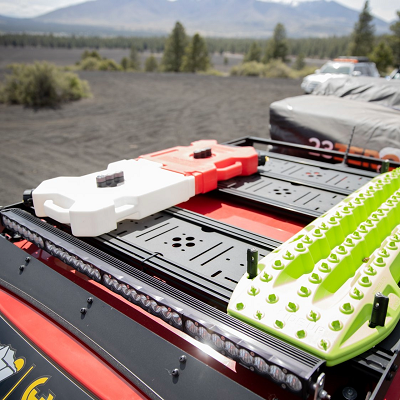
Roof racks shine for gear that benefits from height such as lights, antennas, solar panels and gear you want accessible from outside the vehicle without opening the bed. Bed racks are better for gear that's heavy, bulky or needs to stay protected: toolboxes, overlanding kitchen setups, Rotopax fuel containers and rooftop tents positioned over the bed. Many accessories — traction boards, Rotopax mounts, tent mounts — work on both platforms so that shouldn't be a huge factor in your determination.
Roof racks work on both SUVs and trucks. Bed racks only make sense on trucks with a usable bed. If you drive a 4Runner, Sequoia or Land Cruiser, a bed rack isn't an option — a roof rack is your primary platform. If you drive a truck, you can choose either or both depending on your specific needs.
| Factor | Roof Rack | Bed Rack |
|---|---|---|
| Static Load | Up to 700 lbs | Up to 1,000 lbs |
| Dynamic Load | Up to 400 lbs | Up to 400 lbs |
| Center of Gravity | Higher (roofline) | Lower (bed level) |
| Works on SUVs | Yes | No |
| Works on Trucks | Yes (over cab) | Yes (over bed) |
| Bed Access | Full bed remains usable | Impacted |
| Best For | Lights, tents, solar, SUV overlanding | Heavy loads, truck camping, combo setups |
One of the most capable configurations a truck owner can build is the full combo — a Sherpa cab roof rack paired with a PAK System bed rack. Together, they turn your truck into a purpose-built expedition rig with organized cargo space from front to back. This is especially popular among Tacoma owners who use their trucks as their primary adventure platform.

The rack-height PAK System is specifically engineered to match the height of Sherpa's cab racks. On a Tacoma, that means the PAK aligns with the Grand Teton (2005-2023) or the Rainier (2024+) for a continuous visual line across the entire truck. When you look at a combo-equipped Tacoma from the side, the roof rack and bed rack appear as one unified structure rather than two separate systems. It's a clean, purposeful look that also makes practical sense — gear can span from the cab rack back to the bed rack when needed. I can't tell you how many times I tried to carry something longer than my bed rack and didn't have a roof rack. This resulted in the item hanging off the back way too far or contacting the cab of my truck.
A combo setup dramatically expands your carrying capacity. Common configurations include a rooftop tent on the bed rack crossbars, traction boards mounted to the PAK accessory panels on the sides, a Rotopax fuel container on the bed rack, and lights, antennas and solar panels up on the cab rack. The cab rack crossbars stay clean for overhead items while the bed rack handles the heavy, bulky cargo.
The bed rack accessories guide walks through the PAK accessory panels and side-mount options that make this kind of organized setup possible. Pair it with the roof rack accessories guide and you'll have a clear picture of exactly how to plan out each rack.
Use this decision framework to match your situation to the right system. Start with your vehicle, then layer in your gear needs and specific use case
If you drive an SUV such as a 4Runner, Sequoia, Land Cruiser, GX460, GX550, RAV4, FJ Cruiser or similar, a PEAK Series roof rack is your primary platform. There's no bed to work with, so a rack on your roof is your only consideration. Sherpa makes vehicle-specific racks for all of these platforms with exact fitment. Our 4Runner rack guide is a good starting point if you drive a 4Runner.
If you drive a truck such as a Tacoma, Tundra, F-150, F-Series Super Duty, RAM or Gladiator you have options. You can go for a roof rack only (over the cab), bed rack only, or run a full combo. Your gear list and how you use the truck should drive that decision.

Once you know you need a roof rack, the PEAK-versus-Sport question comes down to your load requirements and budget. If you're carrying a heavy rooftop tent, a full solar setup and traction boards, go PEAK Series. If you want to carry a lightweight tent and a few accessories, Sport Series gives you the same quality hardware with a lower weight and easier wallet.
Every Sherpa rack is a foundation, not a finished product. Once you've picked your rack type and series, the roof rack accessories and bed rack accessories lines let you dial in exactly the setup you need. One of the great things about accessories is you do not need to add those at the same time you install your rack. They can also be added after the fact depending on your needs. We even remove or add some specific accessories depending on the adventure. Sherpa's accessory system is bolt-on throughout using drop-in T-nuts and stainless bolts. There is no drilling and it is quick to swap as your needs change. Browse the complete Sherpa collection at Truck Brigade to see everything available.
Not sure which rack type fits your build? Browse the full Sherpa Equipment collection at Truck Brigade, or dig into the specific collection pages: Roof Racks, Bed Racks, Topper Racks and Load Bars.
A roof rack mounts on top of the vehicle — above the cab on trucks, or across the full roof on SUVs. A bed rack mounts inside the truck bed using the bed rails. Roof racks are the only option for SUVs. Bed racks are specific to pickup trucks and offer a higher static load rating (1,000 lbs) while keeping weight lower on the vehicle.
Yes, and it's one of the most popular configurations for Tacoma and full-size truck owners. The rack-height PAK System is specifically designed to align with Sherpa's cab roof racks for a seamless, unified look. Together they create maximum organized storage across the entire truck.
PEAK Series racks use 1/4-inch thick 6061 aluminum side plates and support up to 700 lbs static. They're Sherpa's premium heavy-duty option with the most crossbars and mounting options. Sport Series racks use thinner 3/16-inch 5052 aluminum side plates, weigh less and carry a lower 400 lb static rating. Both use the same stainless hardware and rubber roof seals.
The Crow's Nest is a universal topper rack that mounts to the track system on top of a truck cap or camper shell. It uses the same 1/4-inch aircraft-grade aluminum as the PEAK Series and supports 300 lbs dynamic / 600 lbs static. It's designed for truck owners who want full rack functionality on top of their topper without losing the weather protection the cap provides.
Load bars can make sense when you carry one or two specific gear types such as bikes, kayaks, or a cargo box. They're lighter, lower profile and simpler to install than a full platform rack. If you eventually want to add lights, solar, antennas and traction boards, a full PEAK Series rack is the better long-term investment.
Yes. Beyond Toyota trucks and SUVs, Sherpa offers racks for the Ford F-Series Super Duty, Ford F-150, RAM trucks, Lexus GX and LX platforms, Toyota Land Cruiser, Sequoia, FJ Cruiser and RAV4, and even the Porsche Cayenne and Volkswagen Touareg. The PAK System bed rack fits several non-Toyota trucks including the F150/Raptor, F250/F350, and Jeep Gladiator.
No. All Sherpa roof racks mount to factory roof mounting points with no drilling. Bed racks bolt to existing bed rail mounting points. The Crow's Nest topper rack mounts to the track system on your cap. The only vehicle modification involved in any installation is removing plastic trim covers to access factory bolt holes on roof racks.
For serious off-road use, keeping weight as low as possible is important. The mid-height PAK System bed rack gives you the lowest center of gravity. If you need both a roof rack and bed rack, keep the heavier items on the bed rack and use the cab rack for lighter items like solar panels and antennas. The Sport Series roof rack's lower weight compared to PEAK is also worth considering if you're prioritizing off-road dynamics over maximum carrying capacity.
Ready to find your rack? Start with our complete Sherpa Equipment overview, then go deep on the rack type that fits your rig: Sherpa Roof Racks, Sherpa Bed Racks, Sherpa Topper Racks or Sherpa Load Bars. Shop everything in one place at the Sherpa collection at Truck Brigade.