Your Cart is Empty


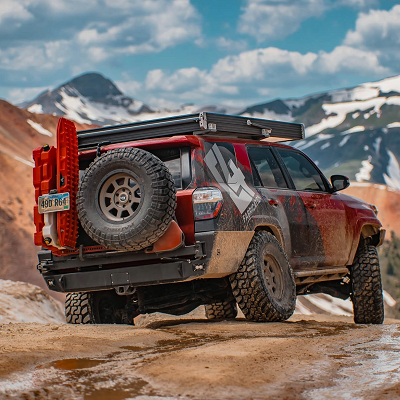


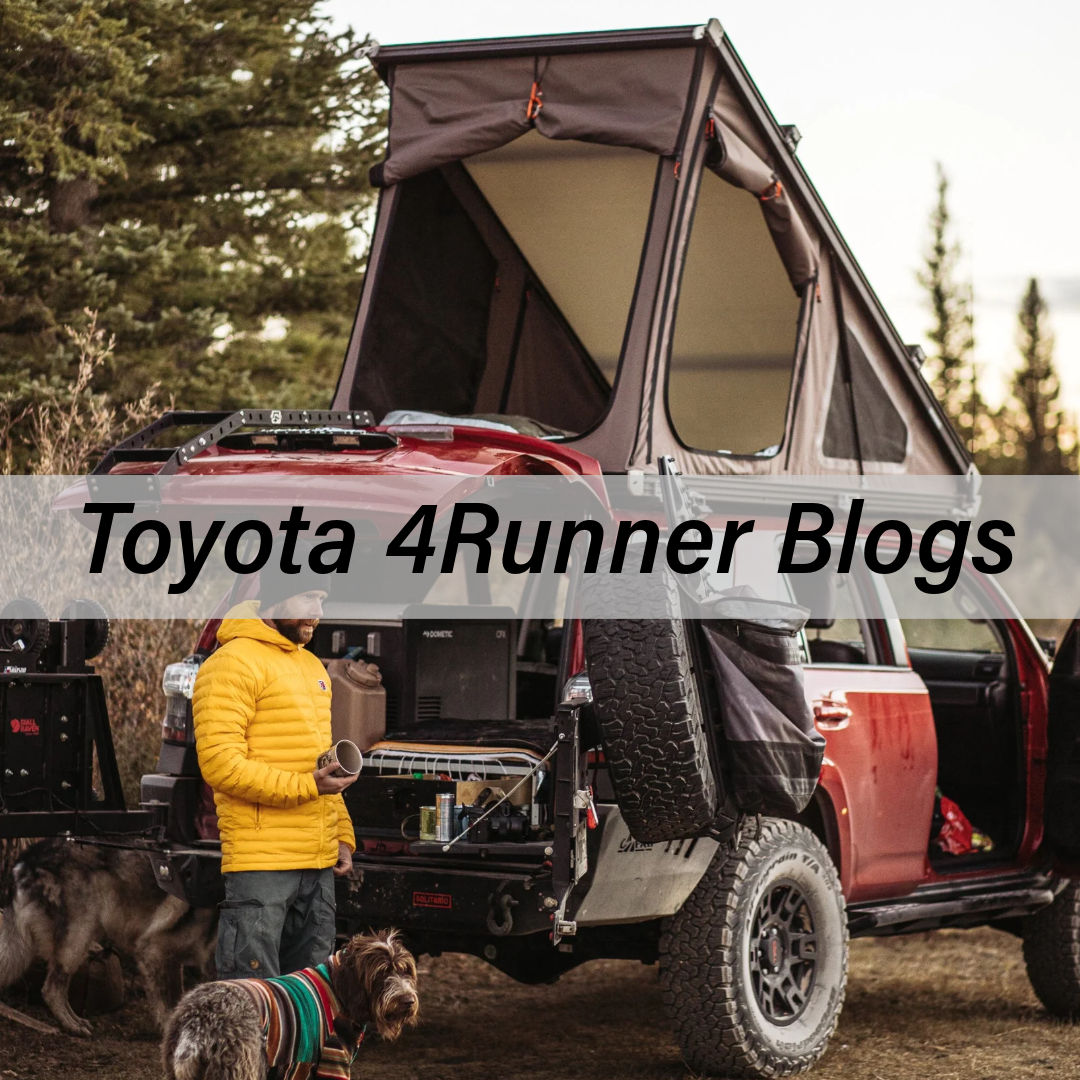

As a Toyota 4Runner owner who's spent countless weekends navigating rocky trails across the Southwest, I've learned one critical lesson: proper protection isn't optional—it's essential. And when it comes to protecting your 4Runner's vulnerable rocker panels and frame rails, nothing beats a quality set of rock sliders.
After testing numerous slider options over the years and seeing firsthand how they handle real trail abuse, I've put together this comprehensive guide to help you choose the right rock sliders for your 4Runner adventure rig.

Unlike running boards or nerf bars, rock sliders are engineered for one primary purpose: to protect your vehicle's rocker panels from impact damage. If you've ever navigated rocky terrain, you know how quickly an off-camber line or a missed approach can lead to expensive body damage.
Rock sliders mount directly to your 4Runner's frame, creating a solid barrier between trail obstacles and your vehicle's vulnerable sides. When you slide across a rock or log, the slider takes the impact instead of your body panels or frame.
Beyond protection, quality rock sliders provide:
The debate between DOM (Drawn Over Mandrel) and HREW (Hot Rolled Electric Welded) tubing is common in the 4Runner community. Here's what matters:
DOM Tubing: Features a more uniform wall thickness and superior strength. DOM tubing undergoes additional processing that eliminates weak points along the weld seam. I've seen DOM sliders take repeated, heavy impacts without deforming.
HREW Tubing: More affordable but offers less overall strength due to inconsistent wall thickness.
My Take: If you're building a serious off-road rig and plan to tackle challenging trails, DOM is worth the extra cost. For casual weekend warriors who primarily stick to forest roads with occasional technical sections, HREW sliders will provide sufficient protection.
Bolt-on Sliders: Mount directly to your 4Runner's frame using existing holes or by drilling new mounting points. The main advantages include:
Weld-on Sliders: Require professional installation but offer the strongest possible protection by becoming an extension of your vehicle's frame. Benefits include:
My Take: After using both types, I've settled on bolt-on sliders for my personal rig. They provide nearly the same protection as welded options while maintaining flexibility. Unless you're building a dedicated rock crawler, quality bolt-on sliders will serve you well.
Rock sliders add significant weight to your vehicle—typically between 60-120 pounds depending on design and materials. This added weight affects:
When selecting sliders, consider your vehicle's existing weight distribution and suspension setup. If you've already added significant armor elsewhere, lighter sliders might be preferable.
Most manufacturers offer several finish options:
My Take: Powder coating offers the best balance of protection, appearance, and value. After three years of hard use, my powder-coated sliders still look great with minimal maintenance. For those in coastal or snowy regions where road salt is common, consider the additional protection of galvanized options.
Kick Out Design: Features an angled outer edge that helps deflect obstacles away from your vehicle's body. This design:
Straight Design: Maintains a cleaner, more streamlined look that:
My Take: After catching my rear quarter panel on a tree during a tight trail section, I switched to a kick-out design and haven't looked back. The additional protection is worth the slight increase in width.
The angle of your rock slider's top tube significantly impacts both protection and usability:
My Take: A moderate angle of around 10 degrees offers the best balance between protection and functionality. If you regularly access roof storage, consider a design with integrated steps or a flatter top section.
After testing numerous options and talking with hundreds of 4Runner owners on the trails, these are the standout performers that deserve your attention:
C4 Fabrication's premium DOM tube sliders have earned a solid reputation among serious off-roaders. Constructed from heavy-duty .120 wall thickness DOM tubing with substantial .188 thickness mounting plates, these American-made sliders provide unparalleled protection for your 4Runner's vulnerable rocker panels.
You can get these without the step plates, and you can also get step plates that are available with or without the C4 logo, giving you options for a branded or clean look. They're also available in both KDSS and non-KDSS models, ensuring perfect fitment regardless of your suspension setup.
I've personally watched these sliders take repeated hits on Moab's Hell's Revenge without showing any signs of deformation or mounting stress, proving their worth on the trail.
View C4 Fabrication Rock Sliders

After testing several slider options, I've found RCI's American-made DOM sliders deliver exceptional value without compromising protection. Their robust design utilizes a 2-inch square main tube paired with 1.75-inch DOM outer rails and reinforced with heavy-duty 1/4-inch gussets on all legs—creating a shield that has saved countless rocker panels on our community.
What I particularly appreciate about these sliders is their flexibility: you can choose between 20-degree (standard) or 5-degree angle options depending on your preference for protection. There's an option for top plates to add step functionality, and it can support KDSS-equipped vehicles.
The sliders come either as bare material or with a satin black powder coat finish that has held up remarkably well against trail abuse. These have become increasingly popular in the overland community where the balance of strength, weight, and price point matters, with many of my trail companions switching to RCI after seeing how they performed during our Moab trips.

If you've got a new 2025 Toyota 4Runner, Westcott Designs offers some of the most customizable rock slider options I've seen in the market. Their Arizona-manufactured sliders are laser-cut, hand-built, and come with an impressive array of material choices to fit your specific needs and budget.
You can select from HREW (MIG welded), DOM (MIG welded), or premium DOM (TIG welded) construction—all available in either a durable black powder-coated finish or raw metal for custom finishing.
What makes Westcott's design particularly versatile is the option to choose between 0-degree and 20-degree angle configurations, allowing you to prioritize either a flat stepping surface or enhanced rock deflection. The integrated kick-out design provides excellent protection for your rear quarter panels while also serving as a functional step for accessing roof-mounted gear.
You can also choose whether to add top plates, which I found helpful for preventing debris buildup between the slider and vehicle body.
View Westcott Designs Rock Sliders

For 5th Gen 4Runner owners looking for functional protection without breaking the bank, Cali Raised's American-made Step Edition sliders have become my go-to recommendation.
Constructed from 1.75-inch DOM tubing with a substantial .120-inch wall thickness and 3/16-inch hot rolled steel frame plates, these sliders offer impressive strength at a mid-range price point.
Like with the others, I appreciate the customization options—you can choose whether to add kick-outs and select from raw metal, black powder coat, or bedliner finish.
Installation couldn't be easier with their true 100% bolt-on design using included Grade 8 hardware and requiring zero drilling or modifications.
View Cali Raised Step Edition Rock Sliders

CBI Offroad's rock sliders have consistently impressed me with their no-compromise approach to design and construction. Engineered specifically for the 2025+ Toyota 4Runner, these heavy-duty steel sliders provide exceptional protection for your rocker panels and lower body against trail hazards.
Available in either bare metal for those who want to apply their own finish or with a black powder coat that offers excellent corrosion resistance. While they come at a premium price point, the superior construction quality and precise fitment make them a worthwhile investment for those who regularly tackle technical terrain.

Backwoods Adventure Mods has proven to be a reliable premium option with some serious protection. These are constructed from heavy-duty DOM steel and come standard with a textured black powder coat finish that has held up remarkably well against trail abuse and weather exposure.
These sliders offer an excellent balance of durability, aesthetics, and value while supporting a smaller American manufacturer that takes pride in their craftsmanship.

Constructed entirely in the USA with hand-selected materials, these sliders feature a robust build with 3/16-inch square tubing for the main structure, .120 wall tubing for the kickout, and 3/16-inch laser-cut, machine-bent plates for the mounting legs.
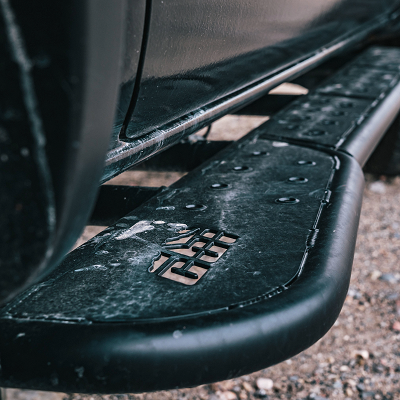
What separates these mid-high range sliders from many competitors is their raised, perforated stepping surface that provides excellent slip resistance while being remarkably easy to clean after muddy trail days. The design hugs tight to the body to maintain optimal ground clearance while still providing a functional step.
At 56 pounds each, these sliders strike a good balance between strength and weight. Available for both KDSS and non-KDSS equipped 4Runners in either bare metal or a sleek matte black powdercoat finish, they install without any drilling required.
View Southern Style Offroad Rock Sliders

If you're considering installing bolt-on sliders yourself, here's what to expect:
Time Required: 2-4 hours depending on your experience Tools Needed: Basic socket set, torque wrench, floor jack, jack stands Difficulty: Moderate
Most bolt-on sliders use existing frame holes, making installation straightforward, and yes, no welding required here. However, some require drilling additional mounting points. The main challenge is often alignment and managing the weight of the sliders during installation.
Pro Tip: Get a friend to help hold the sliders in position while you start the bolts. This makes a super-easy alignment procedure and will prevent potential damage from dropped sliders.
Important Considerations:
For those uncomfortable with DIY installation, professional mounting typically costs between $200-400 depending on your location.
After years of trail experience and seeing countless slider failures and successes, here are my parting recommendations:
Rock sliders represent one of the most important protection upgrades for your 4Runner. Choose wisely, install them properly, and they'll serve you well through countless adventures while preserving your vehicle's value and integrity.
Will rock sliders affect my ground clearance?
Most quality rock sliders are designed to maintain or improve your 4Runner's ground clearance. Look for high-clearance designs that tuck up against the body.
Can I install rock sliders with stock suspension?
Absolutely. Rock sliders work with both stock and lifted suspensions.
How much weight do rock sliders add to my 4Runner?
Depending on the design and materials, expect to add 60-120 pounds to your vehicle.
Can rock sliders be used as jack points?
Quality rock sliders designed with recovery in mind make excellent jack points. Always verify with the manufacturer that your specific model is rated for jacking.
Will rock sliders affect my fuel economy?
Most users report a very minor decrease in fuel economy (approximately 0.5-1 MPG) due to the added weight and slight impact on aerodynamics.
Comments will be approved before showing up.